Why Crucifers Matter

Finnegan Flynn
| 03-08-2026
 · Cate team
Hi, Readers! Crisp, peppery, earthy, and sometimes a little bitter, cruciferous vegetables have a way of standing out on the plate.
This group includes broccoli, cauliflower, Brussels sprouts, kale, cabbage, bok choy, arugula, radish, and turnips. They keep showing up in nutrition conversations for a good reason.
They are packed with vitamins, minerals, fiber, and natural plant compounds that researchers have studied with real interest. What makes them especially fascinating is that their benefits are not just about one nutrient. It is the whole package that draws attention.
What makes them special
Cruciferous vegetables belong to a plant family known for compounds called glucosinolates. When the vegetables are chopped, chewed, or otherwise broken down, these compounds form active substances such as indoles and isothiocyanates. These natural substances are a big reason cruciferous vegetables are so often discussed in health research. They have been studied for their possible role in supporting the body’s normal defenses and helping with how the body handles unwanted compounds. Alongside these unique plant chemicals, cruciferous vegetables also offer vitamin C, vitamin K, folate, and fiber, all while being relatively low in calories.

Why research keeps focusing on them
One reason these vegetables get so much attention is their connection to long-term wellness. Research has explored whether eating cruciferous vegetables may be linked with a lower chance of certain health problems. Scientists are especially interested in how the compounds formed from glucosinolates may influence inflammation, cell protection, and enzyme activity in the body. Even though research continues and no single food works like a miracle, the overall pattern is encouraging enough that these vegetables remain a strong part of healthy eating advice.
Different vegetables, shared strengths
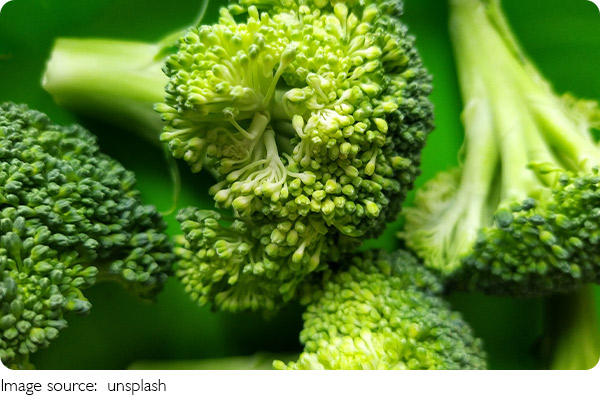
Not every cruciferous vegetable tastes or looks the same, and that is part of their charm. Broccoli and Brussels sprouts are hearty and slightly nutty when cooked well. Kale and arugula bring a more peppery edge. Cauliflower is mild and adaptable, while cabbage and bok choy can swing from sweet to savory depending on how they are prepared. Even radishes and turnips belong in this family. Despite these differences, they share many of the same helpful nutrients and plant compounds, so variety is a smart way to enjoy their strengths without getting bored.
How to cook them well
Preparation matters more than many people realize. Overcooking can soften both texture and flavor too much, and it may reduce some nutrients. Light steaming, quick sautéing, roasting, or eating some of them raw can help preserve their character. Chopping them before cooking can also help activate the compounds that make this vegetable family so interesting. If their flavor feels too strong at first, pairing them with ingredients like olive oil, lemon, garlic, or nuts can make them more approachable and delicious in everyday meals.
Easy ways to add more
Bringing more cruciferous vegetables into your routine does not need to feel complicated. Toss arugula into a salad, roast cauliflower for dinner, stir cabbage into soups, or add broccoli to a grain bowl. Shredded Brussels sprouts can work beautifully in a warm side dish, and bok choy fits easily into noodle or rice meals. A simple mix across the week can be more realistic than focusing on just one vegetable. That balance also gives you a wider range of nutrients and flavors.
Cruciferous vegetables are worth the attention because they combine everyday nutrition with some especially intriguing plant compounds. They are versatile, widely available, and easy to work into regular meals in small, steady ways. If you have not explored this vegetable family much yet, this might be a lovely time to try one or two new kinds and see which ones you enjoy most.