Carrots and Vision

Santosh Jha
| 30-07-2026
 · Cate team
Hi, Readers! Carrots have such a strong reputation for helping eyesight that many of us grew up hearing it at the dinner table.
It sounds simple and comforting: eat more carrots, see better. But the real story is a little more nuanced, and honestly, that makes it even more interesting.
According to the NIH Office of Dietary Supplements, vitamin A plays an important role in maintaining normal vision.
How Carrots Support Eye Health
Carrots can support eye health because they contain beta-carotene, which the body turns into vitamin A. That nutrient matters a lot for the eyes, especially for helping the retina work well and for supporting vision in low light. Still, carrots are not a magic fix for every vision concern, and they will not suddenly sharpen eyesight if someone already gets enough vitamin A.

Why carrots got this reputation
Carrots are rich in beta-carotene, and vitamin A is essential for healthy vision. If a person does not get enough vitamin A, the eyes can struggle, especially in dim light. In more serious cases, deficiency can lead to significant eye problems. So yes, carrots can help protect vision if they are part of a diet that provides this important nutrient. That said, for most people who already eat a balanced diet, adding extra carrots will not make vision stronger than it already is. The idea that carrots can dramatically improve eyesight goes further than the science supports.
What vitamin A actually does
Vitamin A helps the retina function properly. The retina is the light-sensitive tissue at the back of the eye, and it needs this nutrient to process light, particularly in darker settings. Without enough vitamin A, night vision can become poor. This is why carrots are linked so closely with seeing in the dark. But vitamin A does not correct common vision issues like nearsightedness or farsightedness, and it does not replace glasses, contact lenses, or professional eye care. It supports normal eye function rather than transforming how clearly a person sees.
Carrots are helpful, but not the only answer
It is easy to focus on one food, especially one with such a familiar story behind it, but eye health depends on the overall pattern of nutrition and care. Carrots can absolutely be part of that picture. They offer beta-carotene and fit nicely into meals and snacks. At the same time, healthy vision also benefits from regular eye exams and a varied eating pattern that includes other nutrient-rich foods. Looking after the eyes is rarely about one single ingredient. It is usually a combination of daily habits that quietly add up over time.
So, can carrots improve vision?
The fairest answer is this: carrots help maintain healthy vision when vitamin A is needed, but they do not give people super sight or reverse common eyesight problems. That old saying contains a grain of truth, just not the full story many of us were told. If you enjoy carrots, there is every reason to keep them on the plate. They are a healthy choice and can support the eyes as part of a balanced diet.
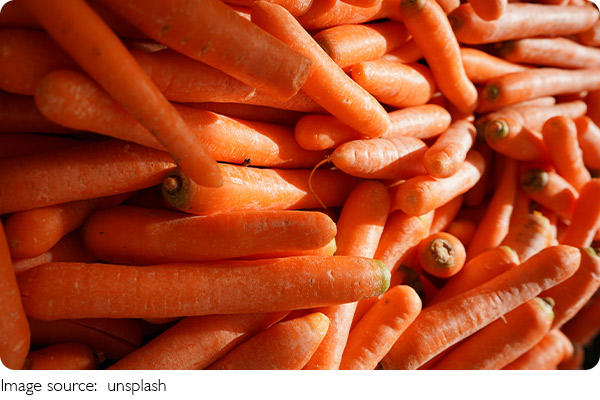
In the end, carrots deserve credit, just not exaggerated credit. They support eye health through vitamin A, especially when the body needs more of it, but they are not a cure-all for blurry vision. If this topic has ever made you wonder what really helps your eyes, the kindest takeaway is to think bigger than one food: nourish your body well, care for your eyes regularly, and let simple, steady habits do their quiet good work.