Udon vs Soba

Camille Dubois
| 08-07-2026
 · Cate team
Hi, Readers! If you have ever stood in front of a noodle menu wondering what really sets udon and soba apart, the biggest difference often comes down to texture.
These two classic Japanese noodles may both show up in comforting bowls or chilled dishes, but the feeling of each one is completely different from the first bite. Udon is known for its thick, soft, and springy chew, while soba feels finer, lighter, and a little more delicate.
That contrast shapes not only taste, but also the whole mood of the meal.
What udon feels like
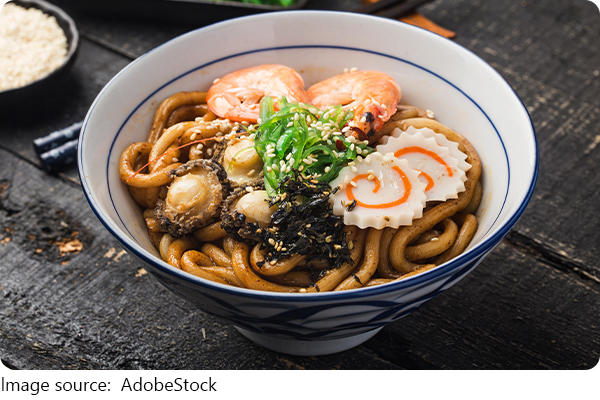
Udon noodles are made mainly from wheat flour, water, and salt. They are thick and smooth, with a soft bite that still has a pleasant bounce. When cooked well, udon feels chewy in a comforting, hearty way. Because the strands are wider and fuller, they give a satisfying mouthfeel that many people connect with cozy soups and simple hot meals. Their smooth surface also helps them slide easily, making each bite feel gentle and substantial at the same time.
What soba feels like
Soba noodles are usually made with buckwheat flour, sometimes blended with wheat flour depending on the style. Compared with udon, soba is much thinner and has a firmer, less bouncy bite. The texture can feel slightly grainier or more rustic because of the buckwheat. Instead of the plush chew of udon, soba gives a cleaner, lighter sensation. It can feel pleasantly tender, yet it also has structure, especially when served chilled and dipped in sauce. That balance is a big part of its charm.
How thickness changes the eating experience
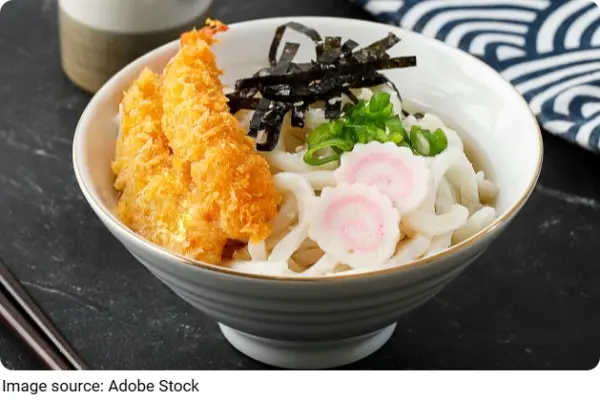
One of the clearest reasons these noodles feel so different is thickness. Udon’s broad shape makes it more filling and more prominent in the mouth. You notice the chew right away, and the noodle itself becomes the center of attention. Soba, being slimmer, feels more refined and easier to eat quickly in a few neat bites. It does not weigh the dish down as much. If udon feels soothing and full-bodied, soba feels neat, brisk, and refreshing.
How serving style affects texture
Texture is not just about the noodle itself. It also changes with how the noodles are served. Udon is often enjoyed hot in broth, where it becomes extra tender while keeping its springy core. That warm setting highlights its soft and comforting quality. Soba is famous both hot and cold, but chilled soba especially brings out its firmer bite and slightly nutty character. Rinsing soba in cold water after cooking helps tighten the noodle, which makes the texture feel even more distinct and lively.
Taste and texture together
Although your question is about texture, taste and texture naturally work together. Udon has a mild flavor, so its appeal leans heavily on that smooth, chewy body and the broth or toppings around it. Soba has more personality on its own because buckwheat gives it an earthy, subtle nuttiness. That means soba can feel a little more textured not only physically, but also in flavor. In many cases, udon acts like a soft, comforting base, while soba offers a more layered and slightly rustic experience.
Which one may suit you better
If you enjoy noodles that are plush, chewy, and deeply comforting, udon may feel more satisfying. If you prefer something lighter, firmer, and a touch more delicate, soba may be the better match. Neither is better than the other. They simply create different experiences at the table. Some days call for a warm, hearty bowl with thick chewy strands, and other days feel perfect for a lighter noodle with a firmer bite.
In the end, the texture difference between udon and soba is easy to remember: udon is thick, smooth, and springy, while soba is thin, firmer, and more delicate with a slightly rustic feel. If you get the chance, try them side by side and pay attention to how each bite feels. That little comparison can make your next noodle order feel much more personal and fun.