Light Crispy Tempura

Nolan O'Connor
| 30-07-2026
 · Cate team
Hi, Readers! There is something so comforting about tempura done well.
That light, airy coating, the soft ingredient inside, and the delicate crunch that disappears almost as soon as you bite into it can feel really special. If you have ever wondered how to make tempura turn out light and crisp instead of heavy and greasy, the key comes down to a few simple details: cold batter, the right flour, gentle mixing, and careful frying.
What Is Tempura?
Tempura is a classic Japanese dish made by coating seafood or vegetables in a thin batter and frying them quickly. The goal is not a thick crust. It should be a very delicate layer that protects the ingredient while keeping the texture crisp and light. Ingredients often used for tempura include shrimp, sweet potato, kabocha squash, eggplant, mushrooms, lotus root, and green beans.

Choose the right ingredients
For the best texture, start with fresh ingredients and make sure they are dry before dipping them into batter. Extra moisture can make the coating soggy and can also cause the oil temperature to drop too much. Cut vegetables into even pieces so they cook at the same pace. Shrimp is often prepared by peeling and deveining, then making small cuts on the underside so it stays straight during frying.
A simple tempura batter usually includes all-purpose flour, ice-cold water, and egg. A common ratio is 1 large egg, 1 cup ice water, and 1 cup flour. Some recipes use cake flour for an even lighter finish. The batter should stay lumpy, not smooth, because overmixing develops gluten and makes the coating dense.
Keep the batter cold
One of the most important secrets to light tempura is temperature. Use very cold water, and if possible, place the batter bowl over a larger bowl filled with ice. Cold batter meeting hot oil helps create that delicate crispness. Mix the egg and cold water first, then add flour right before frying. Stir only a few times with chopsticks or a fork. It is completely fine, and even helpful, to leave dry patches and small lumps.
You can lightly dust ingredients with flour before dipping them into the batter. This helps the batter cling better and creates a more even coating. Work in small batches so the batter stays cold and the oil temperature remains steady.
Fry at the proper temperature
The frying temperature is usually around 340 to 360°F. If the oil is too cool, tempura absorbs more oil and turns heavy. If it is too hot, the outside browns too quickly before the inside cooks through. A deep, heavy pan helps maintain a stable temperature. Add only a few pieces at a time so the oil is not crowded.
Different ingredients need slightly different frying times. Shrimp and many vegetables cook quickly, often in about 1 to 3 minutes depending on size and thickness. Sweet potato may need a little longer than mushrooms or green beans. Turn pieces gently if needed, and remove them once the coating looks pale, crisp, and lightly set rather than deeply browned. Good tempura is usually light in color.
Drain and serve right away
Once fried, transfer tempura to a wire rack or a tray lined lightly for draining so excess oil can fall away. Serving it right away is really important because tempura is at its best moments after frying. The longer it sits, the more the coating softens.
Tempura is often served with a dipping sauce called tentsuyu, made with dashi, soy sauce, and a touch of sweetness, or simply with salt. Grated daikon is also a common accompaniment. If you want to keep the texture pleasant, avoid stacking the pieces while they are still hot.
Helpful tips for better crunch
A few small habits make a big difference. Use low-gluten flour if available. Do not make the batter ahead of time. Keep everything cold except the oil. Fry in small batches. Skim out loose batter bits between batches so they do not burn and affect the flavor of the oil. Most of all, do not chase a perfectly smooth batter. A rough, barely mixed batter is actually part of what gives tempura its signature texture.
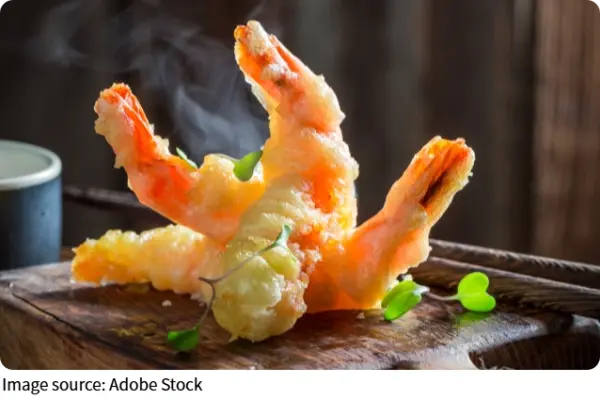
In the end, making light and crispy tempura is less about complicated technique and more about care with temperature, timing, and restraint. Keep the batter cold, mix it gently, fry briefly, and serve right away. If you try it at home, you may be surprised by how a few thoughtful steps can bring that delicate crunch to your table in such a lovely way.