Classic Onigiri Picks

Declan Kennedy
| 08-07-2026
 · Cate team
Hi, Readers! Few foods feel as comforting and handy as a Japanese rice ball.
Onigiri may look simple at first glance, yet each filling brings its own little surprise, from savory and rich to light and briny. A classic guide from Just One Cookbook walks through the flavors many people know and love, along with the basics that make onigiri taste right.
At heart, onigiri is steamed Japanese short-grain rice shaped by hand and often wrapped with nori. The rice is usually seasoned only lightly, letting the filling stand out while the texture stays soft and satisfying.
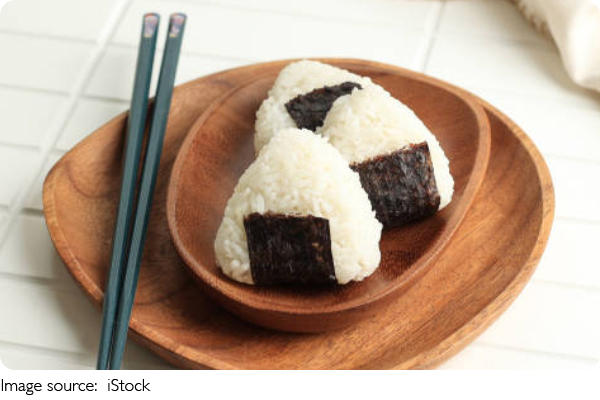
What Makes Onigiri Special
Onigiri is not the same as sushi. The rice for onigiri is plain cooked rice, not rice mixed with vinegar. That difference gives it a gentle, comforting taste that works beautifully with simple fillings. Shape matters too. These rice balls are often formed into triangles, rounds, or cylinders, then finished with a band or sheet of nori for flavor and easier handling. A light touch of salt on the hands helps season the outside and keeps the rice from sticking too much while shaping.
Classic Salted Salmon
One of the most familiar fillings is salted salmon. It has a savory, flaky texture and a clean taste that pairs naturally with warm rice. The salmon is usually cooked first, then broken into small pieces before being tucked into the center. Because the filling is rich but not heavy, it gives each bite a nice balance. This is one of those dependable choices that feels both simple and deeply satisfying.
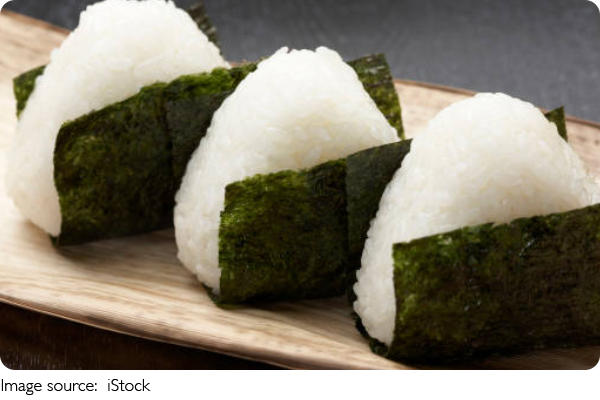
Tuna Mayo
Tuna mixed with mayonnaise is another classic favorite. It is creamy, savory, and very easy to enjoy, which is probably why it appears so often in convenience stores and home kitchens alike. The filling is usually made by combining canned tuna with mayonnaise until smooth enough to sit neatly inside the rice. It offers a softer texture than salmon and a fuller, more rounded flavor, making it especially popular for people who like something mellow and comforting.
Umeboshi
Umeboshi, a pickled plum, is one of the most traditional onigiri fillings. Its taste is salty and tart, so a small amount goes a long way. That sharpness cuts through the plain rice beautifully and gives the whole rice ball a bright, lively character. Umeboshi is also loved because it keeps well, which made it a practical choice for packed meals. Even now, it remains one of the signature flavors people think of when classic onigiri comes up.
Kombu and Other Familiar Fillings
Seasoned kombu is another classic option. It is simmered until tender and flavorful, bringing a slightly sweet and savory note that sits gently inside the rice. Other familiar fillings mentioned in traditional onigiri guides include cod roe and okaka, which is bonito flakes mixed with soy sauce. Each one changes the feeling of the rice ball without changing its basic charm. That is part of why onigiri stays so beloved. A few ingredients can create something that feels personal and varied.
Simple Ingredients and Method
The article explains that the key ingredients are freshly cooked Japanese short-grain rice, salt, nori, and the filling of your choice. To make onigiri, prepare the filling ahead of time, then moisten and salt your hands lightly. Scoop warm rice into one hand, create a small indent, add the filling, and cover it with a bit more rice. After that, gently press and shape it into a triangle or another preferred form. The rice should be firm enough to hold together, but not pressed so hard that it becomes dense. Nori is usually added at the end.
Helpful Tips for Better Onigiri
Warm rice is easier to shape than cold rice, and Japanese short-grain rice works best because it holds together naturally. The article also notes that wet hands help prevent sticking, while salted hands add just enough seasoning. If the rice ball is packed too loosely, it may fall apart. If it is pressed too tightly, the texture becomes tough. That small balance is what makes homemade onigiri feel so pleasant to eat.
Classic onigiri flavors are loved for a reason. Salted salmon, tuna mayo, umeboshi, and kombu each bring something distinct, yet all of them let the rice stay at the center of the experience. If you are curious to try Japanese rice balls at home, starting with these familiar fillings is a lovely place to begin, and you may even find a favorite that feels like pure comfort in your hands.