Why Yakitori Wins

Luca
| 08-07-2026
 · Cate team
Hi, Readers! Few foods feel as comforting and inviting as yakitori.
These Japanese-style chicken skewers are simple at first glance, yet they bring together careful cutting, balanced seasoning, and a warm, shareable dining style that makes people keep coming back for more.
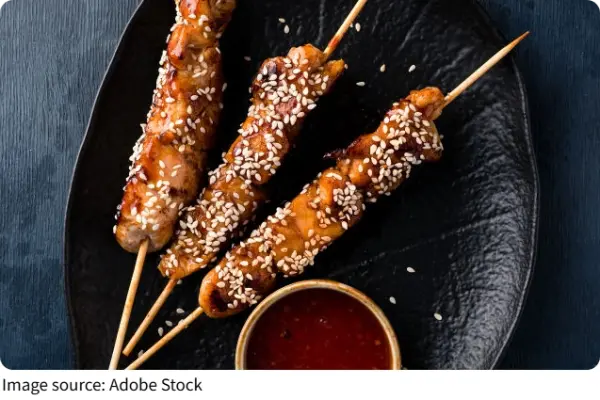
Yakitori is made by threading bite-sized pieces of chicken onto skewers and grilling them, usually over high heat. What makes it so loved is not just the taste, but the way every part is handled with care. Different cuts are often used, from tender thigh meat to spring onion paired between pieces, creating a mix of juicy texture and gentle sweetness in each skewer.
Simple ingredients, big reward
A big part of yakitori’s appeal is how little it needs to taste wonderful. The basic version uses chicken, Japanese long green onion or scallion, skewers, and either salt or a classic tare sauce. That tare is typically made with soy sauce, rice cooking liquid, water, and brown sugar. Even with such familiar ingredients, the final flavor feels layered and special because grilling adds a light char and rich aroma that fills the air right away.
A common way to prepare it is to soak bamboo skewers in water first so they do not burn too quickly. The chicken is cut into even pieces, then threaded onto the skewers, often alternating with onion. For the sauce, the ingredients are simmered until slightly reduced. During grilling, the skewers are brushed with tare so the surface becomes glossy and deeply seasoned.
Texture and aroma matter a lot
Yakitori is popular because it satisfies in more than one way. The outside gets lightly browned, while the inside stays juicy. That contrast is a huge reason people enjoy it. The onion softens and turns sweet, and the sauce caramelizes gently without becoming heavy.
Cooking can be done on a grill, under a broiler, or in an oven if needed, which also helps make yakitori more accessible in home kitchens. In one practical approach, the skewers are placed on a baking sheet lined with parchment paper and cooked in the oven, then brushed with sauce and returned for more heat so the glaze can settle onto the surface. A final quick broil can help bring extra color and char.
Easy to share, easy to love
Another reason yakitori is so widely loved is the way it fits into real life. It is easy to serve at gatherings, easy to portion, and easy to enjoy without fuss. Each skewer feels complete on its own, so people can try a little of everything. That makes the meal feel relaxed and social.
There is also room for choice. Some people prefer a salt-seasoned version that lets the chicken’s natural taste stand out. Others love the sweet-salty tare style for its deeper glaze and shine. This flexibility means yakitori can suit different moods while still staying true to its core identity.
Home cooking makes it even closer
For home cooks, yakitori is especially appealing because the steps are straightforward. You prepare the sauce, assemble the skewers, cook them through, and baste as they finish. If using chicken thigh, the richer texture helps keep the meat tender. A garnish like shichimi togarashi can add a little lift at the end, though it is optional.
The ingredients commonly used include 1.3 pounds boneless, skinless chicken thighs, 9 scallions, and about 10 bamboo skewers. For tare sauce, a typical mix is 1 tablespoon soy sauce, 1 tablespoon rice cooking liquid, 2 teaspoons water, and 2 teaspoons brown sugar. The skewers are grilled or baked until cooked through and glazed in the final stage so the flavor builds gradually instead of burning too early.
Yakitori stays popular because it turns a few humble ingredients into something deeply comforting and memorable. If you have never made it at home, this might be a lovely dish to try next. It is simple, satisfying, and full of that warm table feeling that brings people together.