How Car AC Systems Work

Vivienne
| 06-07-2026
 · Automobile team
On a hot summer day, nothing beats the cool breeze that comes from a properly working car air conditioning (AC) system.
We often just turn the dial or push a button, and suddenly, the air in the cabin feels fresh and cool. But how exactly does the system work?
It's not magic—it's science, and understanding it can help you take better care of your vehicle. Let's check how car AC systems work and what makes them tick.
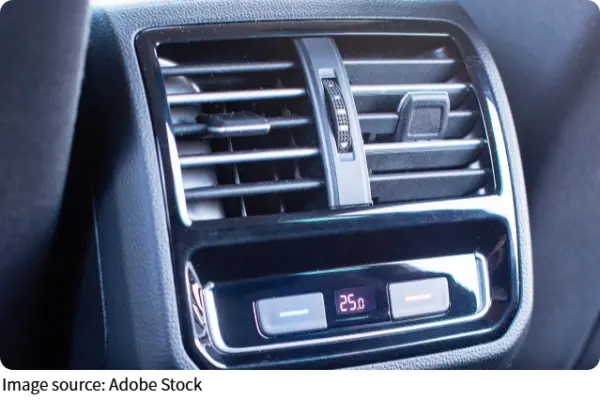
The Key Components of a Car AC System
A car's AC system isn't just one piece of equipment—it's made up of several components that work together to cool the air. Each part plays a crucial role in the cooling process. Here's what you need to know:
Compressor: Often called the "heart" of the system, the compressor pressurizes refrigerant gas and sends it into the condenser. This is where the process starts, and it requires a lot of power to make the refrigerant circulate.
Condenser: The condenser is typically located in front of the radiator. It takes the hot refrigerant gas from the compressor and cools it down, turning it into a high-pressure liquid. This is a key step in the process—without it, the air inside your car would never be cool.
Evaporator: Inside the car's cabin, the evaporator is responsible for cooling the air. When the refrigerant flows through the evaporator, it absorbs heat from the cabin air, turning the refrigerant into gas again. The cooled air is then blown into the cabin via the blower fan.
Expansion Valve: This part controls the flow of refrigerant into the evaporator. It regulates the pressure and temperature, ensuring that the refrigerant is at the correct level when it enters the evaporator.
Each of these components works in tandem to ensure that cool, dry air circulates inside your car. If one part fails, the whole system might struggle to perform as expected.
How the AC Cools Your Car: The Process in Action
To truly understand how the air conditioning system works, it's helpful to know the sequence of events that happen every time you turn on the AC:
Compression: When you start your car and turn on the AC, the compressor begins to compress the refrigerant gas, raising its pressure and temperature. The gas is then pushed into the condenser.
Condensation: In the condenser, the hot gas cools down as it passes through the condenser coils. As it cools, the gas condenses into a liquid form, ready to be sent to the expansion valve.
Expansion: The high-pressure liquid refrigerant is released into the expansion valve, where it suddenly drops in pressure. This causes the refrigerant to expand and cool down even more, becoming a low-pressure liquid/gas mixture.
Evaporation: This low-pressure mixture flows into the evaporator inside the cabin. As the refrigerant evaporates, it absorbs heat from the air inside the car, cooling it down.
Circulation: The cooled air is then blown into the cabin through vents, providing you with the cool air you crave. The refrigerant has now turned back into a gas and is sent back to the compressor to start the cycle over again.
This entire process happens continuously while the AC is running, keeping the air inside your car at a comfortable temperature.
Common AC System Issues and How to Troubleshoot
Like any system in your car, the AC can develop issues over time. Here are some common problems and how to troubleshoot them:
Weak Airflow: If you notice weak airflow from the vents, it could be due to a clogged cabin air filter. Replacing the filter can restore proper airflow.
No Cool Air: If your AC is blowing warm air, the refrigerant levels may be low, or the compressor may have failed. Check for leaks or have a professional check the system's refrigerant level.
Unpleasant Smells: Foul smells coming from the AC often indicate mold or bacteria buildup in the evaporator or vents. You can clean the evaporator or have a professional service the system to eliminate the smell.
AC Compressor Failure: If you hear strange noises or the AC isn't blowing cold air at all, the compressor might be malfunctioning. This is often a costly repair but is essential to restoring proper cooling.
By staying on top of these common issues, you can keep your car's AC system running smoothly for years to come.
Keeping Your Car AC System Maintained
Taking care of your AC system doesn't have to be complicated, and regular maintenance can prevent many common issues. Here's how to keep everything in top shape:
Regularly Check Refrigerant Levels: Low refrigerant levels can cause your AC to emit warm air. Have your refrigerant checked and topped off by a professional regularly.
Change the Cabin Air Filter: A dirty air filter can restrict airflow and cause the AC system to work harder than it needs to. Replace the filter as part of your regular maintenance routine.
Run the AC Regularly: Even in colder months, running the AC for a few minutes once a week helps keep the system in good shape. This ensures that the compressor and other components continue to work properly.
Have the System Inspected: Get your AC system inspected by a professional every couple of years. This helps identify issues before they turn into major problems.

Your car's AC system is a marvel of engineering that works tirelessly to keep you comfortable. By understanding its core components and the cooling cycle, you become a smarter vehicle owner. Regular maintenance—like changing the cabin filter and monitoring refrigerant levels—is inexpensive compared to major repairs. Don't wait for hot weather to test your system.
Be proactive, listen for unusual noises, and address weak airflow early. A little attention today ensures you'll never be left sweating in traffic tomorrow. Stay cool, and drive informed.