Why Cars Have Rear Wings

Elise
| 03-07-2026
 · Automobile team
Have you ever noticed that many sports cars have a large rear wing and wondered if it is simply for style? While it certainly gives a car a bold appearance, its real purpose goes much deeper.
A rear wing is an important aerodynamic component that helps a vehicle perform better, especially when traveling at higher speeds. Let's explore how this clever design works and why it plays such an important role.
More Than an Eye-Catching Feature
Many people think a rear wing is mainly added to make a sports car look more exciting. While it does create a more dynamic appearance, its primary job is to improve driving performance.
As a car moves forward, air flows over the roof, hood, sides, and rear. Without proper airflow management, this moving air can create lift, a force that slightly reduces the pressure pushing the car onto the road. When the rear section experiences more lift than the front, the vehicle may feel less stable, especially during fast driving or smooth highway cruising.
A properly designed rear wing helps manage this airflow. Instead of allowing air to create unwanted lift, it redirects the airflow to generate downward force. This extra force presses the rear tires more firmly onto the road, helping the vehicle maintain better balance and control.
How Downforce Improves Driving
One of the biggest benefits of a rear wing is increased downforce. Unlike lift, which reduces tire contact with the road, downforce pushes the vehicle downward.
This stronger contact between the tires and the road surface offers several advantages:
- Better traction when accelerating.
- Improved stability while changing direction.
- Greater confidence during high-speed driving.
- Smoother handling through long curves.
Performance cars are carefully engineered to balance front and rear aerodynamic forces. A rear wing helps maintain this balance so that both ends of the vehicle work together efficiently.
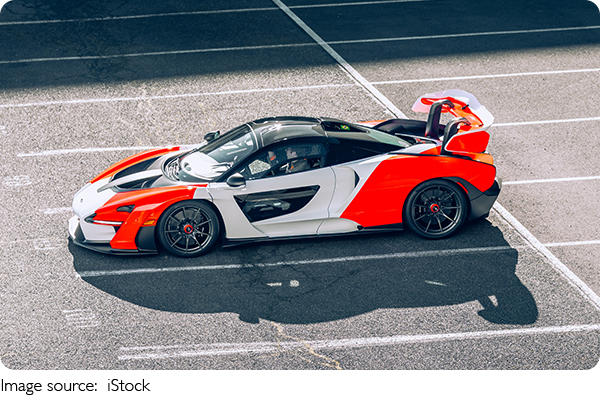
Why Performance Cars Depend on Rear Wings
On a racing circuit, even small improvements in stability can make a noticeable difference. During high-speed corners, air pressure changes rapidly around the vehicle.
A rear wing creates additional downward force that keeps the rear tires firmly connected to the road. This allows drivers to carry more speed through corners while maintaining predictable handling.
Without this aerodynamic assistance, the rear of the vehicle could feel lighter as speed increases, making the car less stable during quick direction changes.
That is why rear wings are considered an essential part of many performance-oriented sports cars built for demanding driving conditions.
Different Wing Designs Have Different Purposes
Not every rear wing looks the same because different vehicles have different aerodynamic needs.
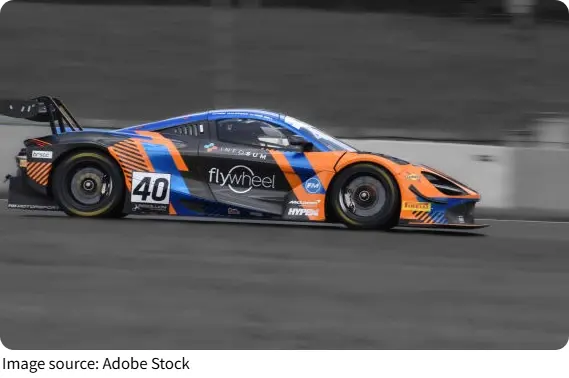
Performance-focused sports cars often use taller rear wings positioned above the vehicle body. This location allows cleaner airflow to pass across the wing, producing stronger downforce.
Family sedans and daily-use vehicles may feature much smaller spoilers integrated into the trunk lid. At everyday driving speeds, these smaller designs create only a modest aerodynamic effect. Their purpose is usually to improve airflow efficiency while adding a refined appearance.
Some station wagons and hatchbacks also include roof-mounted spoilers. These guide airflow across the rear window, helping reduce dust buildup and keeping the rear glass clearer during everyday driving.
Inspired by Aircraft Engineering
The idea behind automotive rear wings comes from aircraft technology. Engineers studied how carefully shaped surfaces influence airflow and adapted those ideas for high-performance vehicles.
Modern rear wings are usually made from lightweight yet durable materials such as fiberglass or carbon fiber. These materials provide excellent strength while keeping overall vehicle weight low.
Designers spend many hours calculating the exact size, angle, and shape of each wing. Every curve is carefully tested because even small changes can influence airflow.
If a wing is too large, it can increase air resistance and reduce overall efficiency. If it is too small, it may not create enough useful downforce. Finding the right balance is the key to effective aerodynamic performance.
Can Every Car Benefit from Adding a Rear Wing?
Some vehicle owners consider installing an aftermarket rear wing to achieve a sportier appearance. However, adding one does not automatically improve performance.
A rear wing only works well when it matches the vehicle's overall aerodynamic design. Factors such as mounting height, installation angle, vehicle shape, and airflow patterns all affect the final result.
If the angle is incorrect or the size is unsuitable, the wing may increase air resistance instead of improving stability. This can create additional wind noise and reduce overall driving efficiency.
Many regions also have regulations regarding vehicle modifications. Before making any exterior changes, it is wise to understand local requirements and ensure that any modification meets applicable standards.
Engineering and Design Working Together
One of the most interesting aspects of a rear wing is how it combines science with visual appeal.
Engineers focus on airflow, pressure distribution, and vehicle balance, while designers ensure the finished product complements the overall appearance of the car. When these two goals come together, the result is a component that looks impressive while delivering measurable performance benefits.
Rather than being a decorative accessory, a properly engineered rear wing is the result of careful research, testing, and aerodynamic optimization.
Final Thoughts
Lykkers, the next time you see a sports car with a striking rear wing, you'll know it represents much more than bold styling. It is a carefully engineered aerodynamic feature that helps improve grip, enhance stability, and support confident handling at higher speeds.
Have you ever spotted a sports car with a unique rear wing design that caught your attention? We'd love to hear which design impressed you the most and why. Let's continue exploring the fascinating engineering behind the world's most exciting vehicles together!
Why Do Cars Have Spoilers? Function vs. Fashion! 🚘💎
Video by Adam Galaxy