Motorcycle Culture in Asia

Celia
| 14-07-2026
 · Automobile team
Imagine cruising down a bustling street in a neon-lit city, the roar of a motorcycle engine cutting through the air as the rider weaves through traffic.
Motorcycles have become more than just a way to get around—they're a symbol of freedom, rebellion, and innovation.
In Asia, motorcycle culture has exploded in recent decades, shifting from a simple mode of transport to a profound expression of lifestyle, individuality, and social identity. But how did this change come about? Let's explore the rise and transformation of motorcycle culture across Asia.
The Early Days: From Utility to Icon
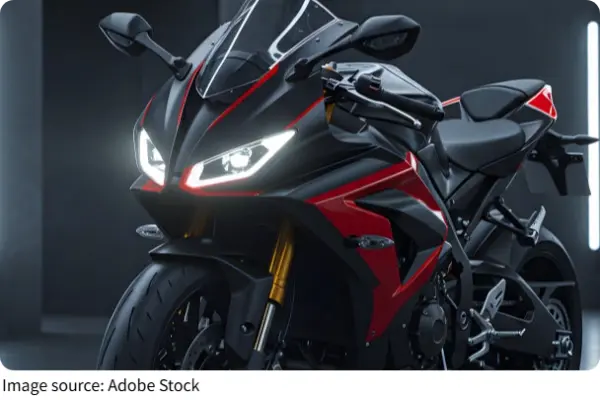
Motorcycles first appeared in Asia as a practical solution to urbanization. In many parts of the region, motorbikes were seen as an affordable and efficient alternative to cars, especially in crowded cities. Over time, however, motorcycles became more than just a tool—they evolved into an essential part of the urban experience.
• Motorcycles in Transportation
In the early years, motorcycles were primarily used for personal transportation, goods delivery, and as taxis. Their affordability and ability to navigate through traffic made them a popular choice. For many, a motorcycle was the only way to get from point A to point B, especially where public transportation was limited.
• Motorcycles as Mobility Symbols
As cities grew, motorcycles became a symbol of mobility. Riders could zip through traffic, offering a sense of personal freedom. Motorcycles were no longer just about getting from place to place—they represented urban freedom and progress. The image of a rider racing through the streets became synonymous with independence.
The Cultural Shift: Motorcycles as a Lifestyle
By the 1980s and 1990s, motorcycles began to take on a more personal and social dimension. What started as a practical mode of transport became a way of life, especially for younger generations. The motorcycle became more than just a machine—it became an identity.
• Global Influences
Motorcycle culture in Asia was influenced by Western media, especially movies and music from the 1960s and 1970s. Films like Easy Rider helped shape the motorcycle as a symbol of personal freedom and rebellion. This romanticized image of the lone rider inspired young people across Asia to adopt the motorcycle as a tool of self-expression.
• Motorcycle Clubs
The rise of motorcycle clubs became a key part of this cultural shift. These clubs allowed riders to bond over their shared passion and form unique identities. Custom bikes, unique patches, and riding traditions became markers of belonging, and motorcycle clubs became spaces for expressing individuality.
• Customization
The trend of customizing bikes also grew. Just as punk culture embraced individuality through fashion, motorcyclists began to modify their bikes to reflect personal style. Customized motorcycles became symbols of identity, and motorcycle shows provided a platform to showcase unique designs.
Motorcycle Culture and Economic Transformation
As Asia's economies grew, motorcycle culture evolved. Motorcycles were no longer just affordable transportation but also luxury items and status symbols.
• Motorcycles as Status Symbols
With increasing disposable income, many young people began investing in high-end motorcycles. Premium brands like Ducati and Harley-Davidson became popular among those who could afford them, turning motorcycles into symbols of success. For some, owning a high-performance bike became a marker of achievement.
• Motorcycle Tourism
Motorcycle tourism also grew, with riders seeking adventure on the open road. Countries became hotspots for motorcycle tours. The thrill of exploring diverse landscapes on a bike attracted both locals and international visitors.
• Technological Advancements
Advances in technology have further transformed motorcycles. With the rise of GPS, connected apps, and safety features, motorcycles have become smarter and more efficient. Riders can now track their trips, monitor bike performance, and connect with others in real time, adding sophistication to the motorcycle experience.
The Future: Motorcycles in Asia's Urban Landscape
Motorcycle culture shows no signs of slowing down. As cities continue to grow and evolve, motorcycles remain a key part of the urban fabric. However, the culture will likely continue adapting to the future's demands.
• Electric Motorcycles
With growing environmental concerns, electric motorcycles are gaining popularity. These bikes offer an eco-friendly alternative to traditional motorcycles, contributing to cleaner cities. Electric motorcycles could shape the future of motorcycle culture, combining sustainability with the freedom of the ride.
• Smart Cities and Urban Mobility
As cities become smarter, motorcycles will continue to play a role in urban mobility. Motorcycles will likely be integrated into smart city infrastructure, offering even more efficient and sustainable transportation options. This integration could reshape the motorcycle experience for future generations.
Riding Into the Future
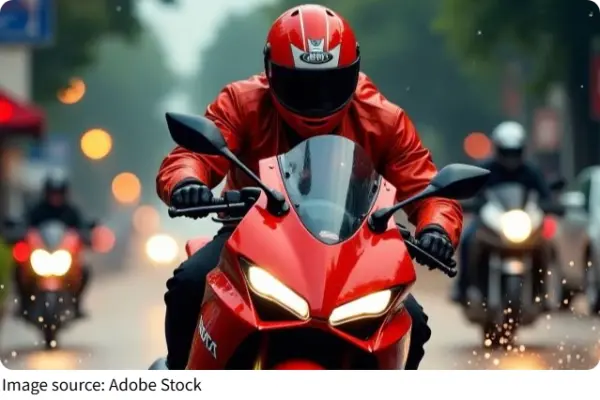
Motorcycle culture in Asia has come a long way from its utilitarian roots. What began as a practical transport solution has evolved into a powerful symbol of identity, freedom, and social change.
With customization, the rise of motorcycle tourism, and electric motorcycles, the future of motorcycle culture in Asia is full of exciting possibilities. As cities grow and technology advances, motorcycles will remain an iconic part of urban life—representing adventure, independence, and innovation.