Air vs. Liquid Cooling

Bianca
| 09-07-2026
 · Automobile team
Cooling is one of the most important systems keeping your motorcycle running smoothly, even if it's not something you think about every day.
Whether you're riding through city streets or cruising on open backroads, your motor produces a lot of heat.
How your bike handles that heat—through air cooling or liquid cooling—shapes the performance, feel, and maintenance experience.
For Lykkers who enjoy understanding their machines on a deeper level, learning how cooling works unlocks smart riding habits and better long-term care.
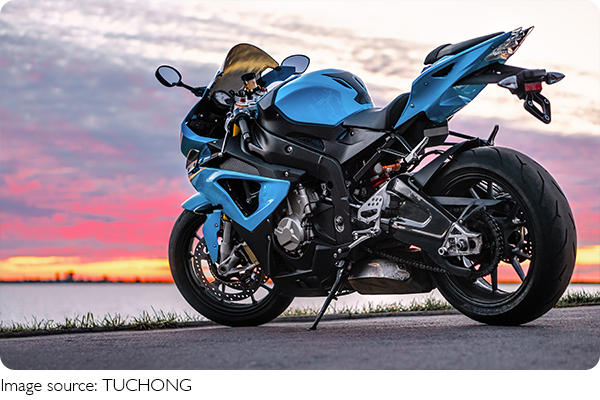
Understanding Air-Cooled Engines and Their Riding Feel
Air-cooled engines have been part of motorcycle culture for decades. Their simplicity and character draw many riders in, and once you understand how they work, you'll see why.
How Air Cooling Manages Heat
An air-cooled engine relies on airflow to keep temperatures under control. As you ride, the passing air removes heat from the metal fins that surround the motor. These fins increase surface area so heat escapes more easily.
When you think about the design, it becomes clear why these engines thrive in motion. The cooling effect improves as your speed increases, making long, steady rides feel natural and comfortable.
Why Riders Appreciate Their Direct Feel
Air-cooled engines offer a raw, traditional experience many riders enjoy. You'll notice mechanical sounds more clearly, and the engine warms up with a familiar rhythm.
If you choose an air-cooled bike, you're opting for simplicity. There are fewer parts to maintain, and the overall mechanics feel more accessible. This can make you feel more connected with your bike, especially if you enjoy learning how each component behaves under different riding conditions.
Where Air Cooling Has Practical Limits
Because air cooling depends on airflow, slow traffic, long idle times, and very hot weather can challenge the system. You may notice the motor feeling warmer during city rides or stop-and-go situations.
It's not a flaw—just a characteristic you learn to manage. When you recognize these patterns, you start planning smoother routes or giving your engine a brief break. It becomes another part of reading your bike and responding thoughtfully.
Why Liquid-Cooled Engines Dominate Modern Motorcycles
Liquid-cooled engines bring precision and stability that suit today's diverse riding environments. Once you experience how consistent they feel, you'll understand why so many motorcycles use them.
How Liquid Cooling Keeps Temperatures Controlled
Liquid cooling uses a coolant mixture that circulates through passages around the motor. This coolant absorbs heat and carries it to the radiator, where it's released with the help of a fan and steady airflow.
This setup doesn't rely solely on how fast you're moving, so the temperature stays stable whether you're cruising, idling, or climbing hills. You'll notice the engine performs more evenly throughout your ride.
The Everyday Advantages You'll Experience
With liquid cooling, bikes tend to run more quietly and maintain smooth power delivery. You won't have to worry about high-heat situations as much, because the system responds automatically through sensors and controlled circulation.
If you often ride in cities, hot climates, or varied terrain, you'll appreciate how calm the engine remains. Longer trips and slow-moving traffic feel less stressful when you know the temperature stays consistent.
Considerations to Keep in Mind
Since liquid-cooled engines use pumps, hoses, and a radiator, there are more components to inspect periodically. While this doesn't make maintenance difficult, it does ask you to pay attention to coolant levels and general condition.
For most riders, this small effort brings great benefits in performance, reliability, and confidence—especially when you ride in challenging conditions.
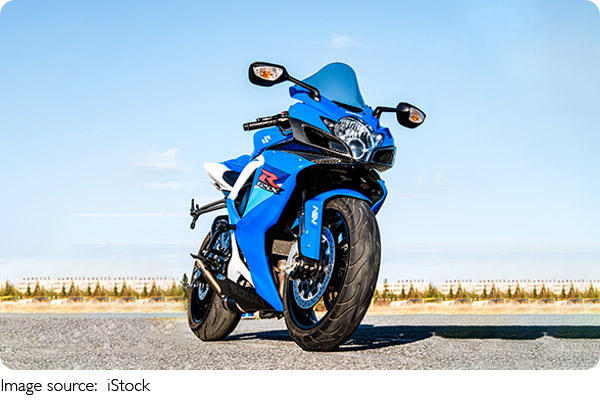
Air-cooled and liquid-cooled engines both offer valuable riding experiences, each with unique strengths. Air-cooled engines shine with simplicity, classic character, and a direct connection between rider and machine. Liquid-cooled systems deliver stability, quieter operation, and consistent temperature control in all kinds of environments.
For Lykkers exploring motorcycle fundamentals, learning how each cooling method works helps you match your riding style with the engine that feels right for you. Whether you prefer the nostalgic charm of airflow or the steady dependability of coolant circulation, understanding the system beneath you makes every ride more enjoyable and more informed.