Future of City Parking

Amit Sharma
| 14-07-2026
 · Automobile team
Ever found yourself circling a crowded city block, desperate for a parking spot?
It's one of the most frustrating parts of urban living, especially in busy cities where parking spaces are few and far between.
However, imagine a world where your car could park itself while you move on to your next errand. That's the magic of auto-parking technology. It's not just a luxury—it could change the way we approach parking in cities altogether. Here's how auto-parking systems are making a difference.
The Parking Crisis in Cities
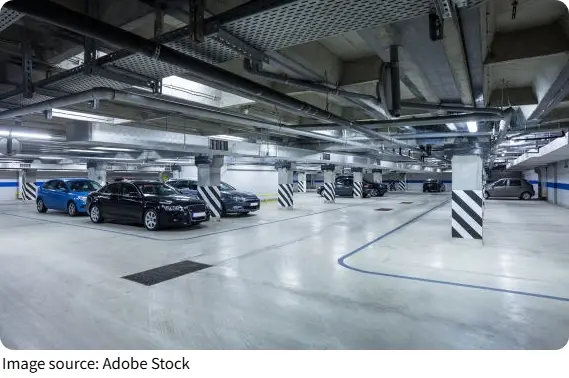
Parking has become a major challenge in urban areas worldwide. As cities grow and car ownership increases, the demand for parking spaces continues to outpace supply. In fact, in many major cities, it's not uncommon for drivers to spend 10 to 30 minutes just looking for a spot. This wastes time, causes frustration, and contributes to higher traffic congestion.
Auto-parking technology could provide a solution by eliminating the need for drivers to park manually. With the ability to park themselves, vehicles can utilize space more efficiently, reduce the time spent searching for parking, and, in the long run, help decrease congestion.
If you're experiencing parking challenges in your area, consider advocating for the implementation of smart parking solutions that integrate autonomous vehicles. Many cities are already testing such systems, and your support could help accelerate adoption.
Maximizing Space Efficiency
One of the key benefits of auto-parking systems is their ability to maximize the use of parking spaces. Traditional parking methods require cars to be parked in a way that allows room for the driver to enter and exit the vehicle. But with auto-parking, the vehicle can park with much smaller margins. Since the system doesn't need the driver's space to get in and out, the car can park closer to the next vehicle, allowing more cars to fit in the same area.
For example, consider multi-story parking garages. Traditional parking can waste a lot of space between parked vehicles to ensure that drivers can get in and out. Auto-parking systems, however, can park vehicles with minimal space between them, effectively doubling the number of cars that can fit in the same area.
For city planners and developers, it's essential to include auto-parking capabilities when designing new parking garages or structures. By doing so, you can optimize space and reduce the need for large, sprawling parking lots.
Reducing Time Spent Searching for Parking
Time spent searching for parking is one of the biggest sources of frustration for urban drivers. In dense city centers, drivers often waste valuable time circling around blocks, looking for an open spot. This not only increases traffic congestion but also adds to air pollution, as cars idle in search of a space.
With auto-parking systems, this problem could be minimized. When cars can park themselves, they can be dropped off near the entrance of a building, and the vehicle can navigate itself to a parking spot without the need for the driver to search for one. This leads to more efficient use of time and a smoother experience for everyone involved.
If your city or neighborhood doesn't have an auto-parking system yet, reach out to local authorities and ask about plans for future integration. This type of feedback can help push the development of smarter parking infrastructure.
Solving Traffic Congestion
When drivers are continuously searching for parking, it leads to congestion, especially in popular areas. This traffic not only causes delays for other drivers but also leads to higher levels of pollution and road wear. By implementing auto-parking technology, we can reduce the amount of time cars spend on the road, which will help ease traffic flow.
With the use of smart parking systems, drivers can simply drop off their car at the entrance of a parking structure and let the car park itself. This eliminates the need for cars to drive around in circles, reducing congestion and ultimately improving the flow of traffic.
Encourage city leaders to invest in smart city infrastructure, which integrates sensors and auto-parking technology. This would allow the city to manage parking more effectively and reduce congestion overall.
The Environmental Impact
One of the often-overlooked benefits of auto-parking systems is their potential to reduce the environmental impact of parking. As cars drive around looking for spots, they contribute to increased carbon emissions. The more time a car spends idling, the more it pollutes the environment. By reducing the time spent searching for parking, auto-parking technology could significantly lower these emissions.
Additionally, the optimization of parking spaces means less need for sprawling parking lots, preserving valuable land for other uses, such as parks, public spaces, or more sustainable urban development.
As part of environmental sustainability efforts, city planners should prioritize green parking solutions, such as automated parking systems, that reduce emissions and preserve natural spaces.
The Road Ahead: What's Next for Auto-Parking?
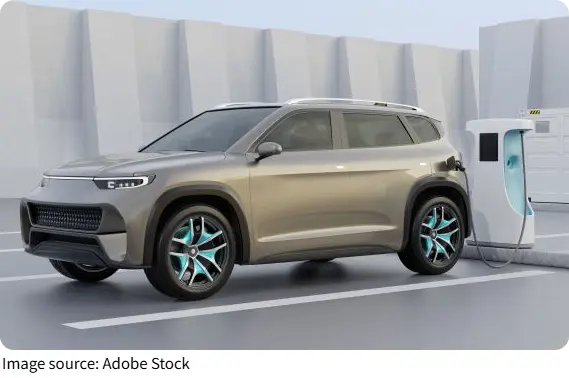
The future of auto-parking looks promising, with many cities and tech companies working together to make it a reality. As more car manufacturers incorporate autonomous parking into their vehicles, and as urban infrastructure adapts to support these systems, we can expect to see parking become much easier and more efficient.
Looking ahead, some companies are already experimenting with "parking robots"—machines that can autonomously move cars into spaces in parking lots, eliminating the need for parking attendants and saving even more space. These innovations have the potential to revolutionize the way we think about parking, particularly in busy urban centers.
Stay informed about advancements in smart parking and autonomous vehicle technology. As cities begin adopting these technologies, early adoption and advocacy could place you at the forefront of the change.
Auto-parking systems offer much more than just convenience. By making better use of existing space, reducing congestion, and contributing to environmental sustainability, they could help solve some of the most pressing challenges of urban life. With continued innovation, the future of parking looks brighter than ever.