Future of Shared Transport

Claire
| 20-10-2026
 · Automobile team
Have you ever found yourself stuck in traffic, wishing you could switch to a quicker, more flexible mode of transport?
Or maybe you've been frustrated by the hassle of booking a car or bike, trying to decide which option is best for your needs.
What if there was a way to seamlessly hop from one mode of transport to another, depending on your situation, all within a single platform?
That's the magic of integrating motorcycle and car-sharing technologies into one unified system. Let's explore how this fusion could redefine shared mobility.
The Rise of Shared Mobility
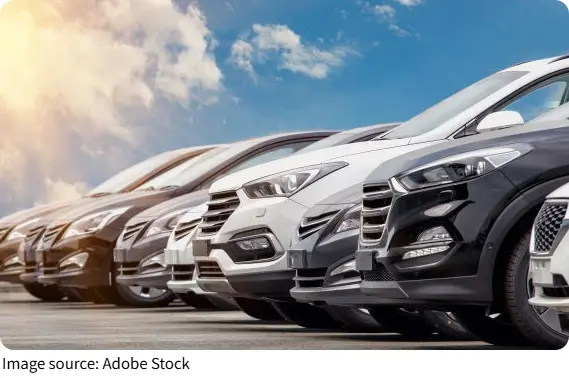
The shared mobility market has exploded in recent years, driven by a growing desire for flexibility and cost-efficiency. Car-sharing services like Zipcar and bike-sharing platforms such as Lime and Bird have become staples in urban environments. These services allow users to access a vehicle or bike on-demand without the long-term commitment or high costs of ownership.
However, with the increasing need for sustainability and more diverse transportation options, the next step is combining these two services into a comprehensive shared mobility platform. Imagine being able to book both a car and a motorbike from the same app, choosing whichever suits your needs best in real time.
For urban residents, using a combined mobility platform can save you money and reduce your carbon footprint. Start exploring local services that integrate both motorcycles and cars to see how much more convenient your daily commute can become.
How Technology Bridges the Gap
Technology is at the heart of this transformation. Shared mobility platforms rely on cutting-edge apps and GPS systems to manage fleet vehicles and provide real-time access to users. These platforms track vehicle availability, manage bookings, and provide payments—all through a simple smartphone app. The integration of motorcycle and car-sharing services requires significant backend development to ensure smooth user experiences.
Using advanced algorithms and machine learning, these systems can predict demand, optimize vehicle allocation, and suggest the best options for users based on factors like location, traffic conditions, and personal preferences. This not only makes the system more efficient but also offers a higher level of convenience to users who no longer have to worry about choosing between a car and a bike.
If you're a city planner or tech developer, consider the potential of integrating shared bike and car services into a single app. Offering users a one-stop shop for all their transportation needs can significantly boost customer satisfaction and usage rates.
Flexibility for Different Needs
One of the major advantages of combining motorcycle and car-sharing services is the flexibility it offers. Not every trip requires a car. If you're just running a quick errand across town, a motorcycle might be a faster, more economical option. But for longer trips, a car is often the better choice.
By integrating both options into a single platform, users can switch between them based on the type of journey they're undertaking. Need to carry groceries? Grab a car. Running late for a meeting? Hop on a motorbike. This flexibility is key to appealing to a wide range of users who have different transportation needs throughout the day.
As a consumer, try using multi-modal transport apps to evaluate how they work for your specific needs. Take advantage of mixed transportation options to make your daily commute more efficient and affordable.
Reducing Traffic Congestion and Pollution
Cities are notorious for their traffic jams and air pollution, but the integration of motorbike and car-sharing platforms can help address both of these issues. Motorbikes, for instance, take up less space on the road and are often faster, making them ideal for congested areas. If more people switch to shared motorbikes for short trips, it could reduce the number of cars on the road, easing congestion.
Moreover, car-sharing services tend to reduce the overall number of privately owned vehicles, which means fewer cars on the road in the first place. This leads to lower emissions, less traffic, and a cleaner environment. By offering both cars and bikes as options, shared mobility systems can help cities move towards a more sustainable future.
Support and advocate for cities to implement policies that encourage shared mobility, especially in high-traffic areas. These services can play a crucial role in reducing emissions and promoting greener cities.
Seamless User Experience
For any shared mobility service to succeed, it must offer a seamless user experience. This means users should be able to easily switch between motorcycles and cars without complications. A unified platform that allows users to book a motorbike for short trips and a car for longer ones, with one-click reservations and simplified payments, is the goal.
Integrating GPS technology, smart parking solutions, and real-time vehicle tracking helps make this process easier. For example, if you book a car and find it's stuck in traffic, the app might suggest switching to a motorbike to avoid delays. These small tweaks in service can make a huge difference in the overall user experience.
If you're a developer or business owner in the shared mobility space, focus on enhancing the user interface and backend infrastructure to create a smooth transition between vehicle types. This can increase adoption and retention of users on your platform.
The Future of Shared Mobility
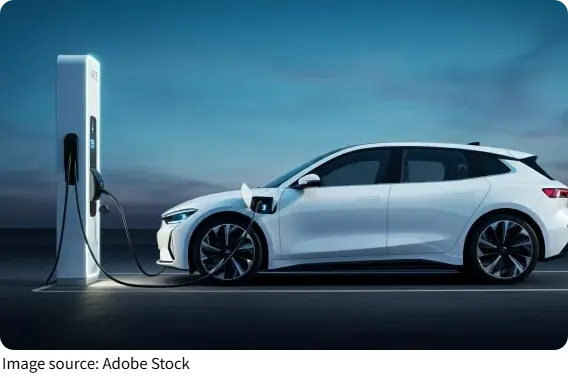
As shared mobility platforms evolve, the future holds even more possibilities. Electric vehicles (EVs) are already making their way into the car-sharing market, and similarly, electric motorbikes are gaining popularity. In the coming years, it's likely that we'll see more sustainable, eco-friendly options integrated into both motorbike and car-sharing services.
Additionally, advancements in autonomous driving technology could further change how we think about shared transportation. Imagine booking an autonomous car or motorbike, where the vehicle drives itself to pick you up and takes you to your destination. This level of convenience and efficiency could make shared mobility platforms even more appealing to a broader audience.
As the shared mobility market continues to grow, keep an eye on innovations such as EVs and autonomous vehicles. These developments could revolutionize the way we travel, making transportation more affordable and sustainable.
The fusion of motorcycle and car-sharing technologies presents a wealth of opportunities for the future of urban transportation.
By offering users flexibility, reducing congestion, and fostering sustainability, this integrated approach could become the cornerstone of modern mobility solutions. Whether you're a commuter looking for an easier way to get around or a city planner seeking smarter infrastructure, the future of shared mobility is one worth watching closely.