Motorcycle E-Commerce

Raghu Yadav
| 03-07-2026
 · Automobile team
Scrolling through your phone, you might notice that buying motorcycle parts or even a full bike online is easier than ever.
The convenience, variety, and speed of e-commerce have transformed the motorcycle industry globally, creating new opportunities for riders, retailers, and manufacturers alike.
Understanding these trends helps both enthusiasts and businesses stay ahead in this fast-moving market.

Rise of Online Motorcycle Marketplaces
Online platforms dedicated to motorcycles are no longer just for niche enthusiasts—they're attracting mainstream buyers.
Wide selection: Riders can access hundreds of models, parts, and accessories from multiple sellers, all in one place.
Price transparency: Buyers can compare prices easily, finding deals that would be difficult at traditional dealerships.
User reviews: Ratings and reviews help buyers make informed choices, increasing confidence in online purchases.
Actionable tip: For new buyers, create an account on a trusted motorcycle marketplace and set alerts for parts or models you're interested in. This ensures you don't miss limited deals.
Integration of Augmented Reality and 3D Tools
E-commerce platforms are using technology to replicate the in-store experience digitally.
Virtual fitting: 3D models allow riders to see how parts or gear will fit on their bike before buying.
AR visualization: Some apps let you project a full motorcycle into your space to evaluate size, color, and style.
Interactive tutorials: Guides and videos integrated into listings help buyers understand installation or maintenance processes.
Actionable tip: Before purchasing a complex accessory online, use any AR or 3D preview tools available. This reduces returns and ensures compatibility.
Subscription and Direct-to-Consumer Models
Some brands now offer subscriptions for parts or gear, or sell directly to customers, bypassing traditional dealerships.
Convenience: Regular maintenance items like tires, filters, or lubricants can be delivered on a subscription schedule.
Brand loyalty: Direct sales often include exclusive products or bundles, attracting repeat customers.
Cost savings: Cutting out middlemen can lower prices or include free shipping for subscribers.
Actionable tip: Check if your preferred motorcycle brand offers direct-to-consumer options or subscriptions. Even a monthly lubricant delivery can streamline maintenance.
Social Media and Influencer Impact
E-commerce success is increasingly tied to social engagement and digital content.
Product demonstrations: Influencers showcase gear and modifications, helping buyers make informed choices.
Community-driven sales: Groups on social platforms often share deals or second-hand listings, driving traffic to e-commerce sites.
Marketing personalization: Ads targeted by riding habits, location, or previous purchases increase relevance for buyers.
Actionable tip: Follow reputable motorcycle influencers or brand pages to discover new products, reviews, and flash sales that might not appear elsewhere.
Global Logistics and Faster Delivery
Advancements in shipping and fulfillment have made buying large items like motorcycles feasible online.
Efficient shipping: Partnerships with logistics providers reduce delivery times and improve tracking.
Cross-border sales: Buyers can access models and parts unavailable locally, expanding options globally.
Flexible returns: Clear policies and streamlined processes reduce risk for first-time online buyers.
Actionable tip: When ordering large or expensive items, always check shipping policies, delivery times, and insurance options. This ensures a smooth and secure purchase experience.
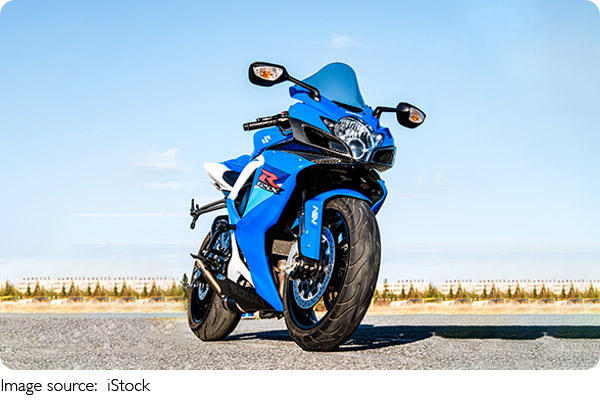
The rise of motorcycle e-commerce reflects broader trends in convenience, technology, and customer engagement. Riders now have unprecedented access to parts, bikes, and gear while brands can reach global audiences without traditional limitations. Embracing these digital opportunities makes riding more accessible and keeps enthusiasts connected to the latest products, trends, and innovations.