Motorcycles & Smart Traffic

James Carter
| 10-07-2026
 · Automobile team
Ever been stuck in traffic wishing your bike could "think ahead" for you?
The fusion of motorcycles with smart traffic systems is turning that wish into reality.
From safety enhancements to navigation improvements, technology is helping riders move more efficiently while staying connected to the road around them.
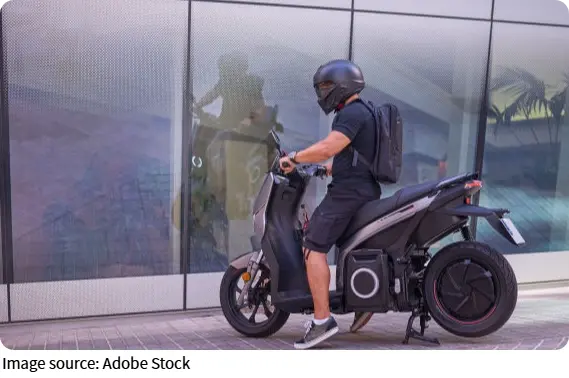
Connected Vehicle Technology
Motorcycles are increasingly integrated with connected vehicle systems, enabling communication with traffic lights, other vehicles, and infrastructure.
Real-time traffic updates: Sensors and networked systems provide riders with live congestion data, suggesting optimal routes to avoid delays.
Vehicle-to-vehicle (V2V) communication: Motorcycles can exchange information with nearby cars and bikes to anticipate sudden stops or lane changes.
Emergency alerts: Systems can warn riders of accidents, road hazards, or sudden weather changes ahead.
Equip your motorcycle with a connected dashboard or smartphone app capable of receiving live traffic and hazard alerts. This can save time and prevent accidents during daily commutes.
Smart Navigation and Route Optimization
Intelligent traffic systems enhance navigation beyond traditional GPS.
Adaptive routing: Routes adjust automatically based on real-time traffic, construction, or road closures.
Lane guidance: Smart systems help riders choose the safest lanes, especially in heavy traffic or complex intersections.
Integration with wearables: Helmet displays or smart glasses can show turn-by-turn directions without distracting from the road.
Test apps or devices that provide predictive routing. Note how they respond to changing traffic conditions and choose one that keeps instructions simple and visible without overwhelming you.
Safety Enhancements
Safety is a key area where smart traffic systems improve the riding experience.
Collision warning: Sensors detect potential collisions with vehicles, pedestrians, or obstacles.
Speed regulation: Some systems communicate with traffic infrastructure to alert riders when approaching speed limits or zones with sudden stops.
Automated braking assist: Advanced motorcycles may have limited braking assistance triggered by critical alerts from surrounding sensors.
If your bike supports advanced safety systems, take time to learn their thresholds and settings. Knowing how alerts work ensures you respond correctly and confidently.
Urban Mobility and Traffic Flow
Smart traffic integration isn't just about individual safety—it improves city mobility as a whole.
Dynamic traffic lights: Systems adjust light cycles based on real-time traffic, reducing idle time and pollution.
Priority lanes: Connected motorcycles can communicate with traffic management systems to gain priority through congested areas safely.
Data sharing: Aggregated movement data helps urban planners optimize traffic patterns and reduce bottlenecks.
Observe how your city's traffic lights respond to real-time conditions. Using apps that visualize traffic flow can help you plan routes that minimize stop-and-go stress.
Integration with Smart Infrastructure
Beyond vehicles, smart infrastructure plays a major role in motorcycle integration.
Smart parking: Apps guide riders to available parking spots, reducing circling and unsafe stops.
Road condition monitoring: Sensors detect potholes, debris, or icy patches, sending alerts to riders in advance.
Energy-efficient travel: Some systems suggest eco-friendly routes or optimize acceleration and braking patterns for fuel efficiency.
Subscribe to local smart traffic or infrastructure apps that provide alerts about road conditions and parking availability. Even a few minutes of preparation can make a commute safer and smoother.
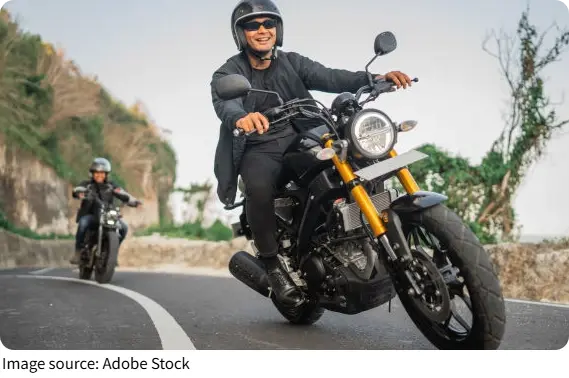
The merging of motorcycles with intelligent traffic systems is reshaping how riders navigate urban landscapes. By embracing connected technology, predictive navigation, and safety enhancements, riders enjoy smoother journeys, enhanced situational awareness, and a smarter connection with their environment. The road ahead isn't just open—it's intelligent.