Motorbikes & Public Transit

Kenji
| 10-07-2026
 · Automobile team
Urban transportation is changing, but one challenge remains: how to make it greener and more efficient.
The combination of motorbikes and public transport can play a huge role in reducing emissions and congestion in cities.
Integrating these modes of transport to form a green travel chain can make cities more sustainable while improving connectivity for commuters. Here's how we can do it.
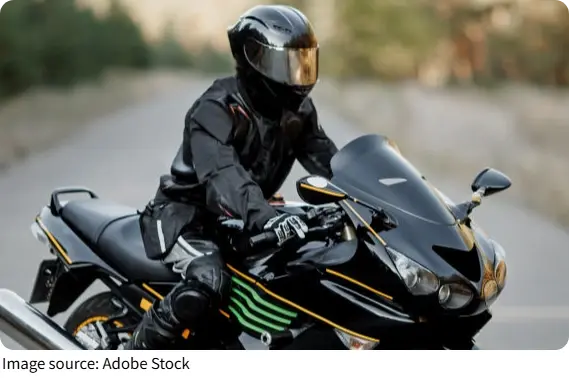
The Synergy Between Motorbikes and Public Transit
Integrating motorbikes into public transport systems can maximize the benefits of both. Motorbikes are ideal for covering the "last mile" that public transit often misses. While buses and trains efficiently handle longer trips, motorbikes can help commuters quickly reach transit stations without the hassle of car traffic.
For instance, cities like Barcelona have launched bike-sharing programs that could be extended to electric motorbikes. These electric bikes or scooters could be used for short distances, connecting commuters to train or bus stations faster, reducing reliance on cars.
Key Benefits of This Integration
Reduced Congestion
Motorbikes, especially electric ones, take up less space than cars, which can help reduce congestion in urban areas. By combining motorbikes with public transport, people can park at stations and avoid driving in crowded city centers. This system could mirror the success of bike-sharing programs in cities like Amsterdam, where reducing car use eased congestion.
Lower Carbon Footprint
Electric motorbikes are a cleaner alternative to traditional vehicles. When integrated with public transit, they can significantly reduce emissions. Imagine a fleet of electric motorcycles helping people travel to public transport hubs, all powered by renewable energy. This approach aligns with global sustainability goals and helps reduce cities' overall carbon footprint.
Cost Efficiency
Motorbikes are generally more affordable than cars in terms of purchase price and maintenance. When combined with public transport, the cost of commuting could be even lower. Motorbike-sharing systems could eliminate the need for personal ownership, making them a cost-effective and flexible option for commuters.
Steps to Implementing the Green Travel Chain
Infrastructure Development
To effectively integrate motorbikes with public transit, cities need to invest in infrastructure. This includes dedicated parking spaces for motorbikes, charging stations for electric bikes, and easy access to transit points. A seamless, user-friendly design is key to making this system work.
Smart Technology Integration
Mobile apps and GPS technology can greatly improve the efficiency of this green travel chain. Riders can use a single app to locate available motorbikes, check the nearest transit stations, and track real-time schedules for buses and trains. Integrating these technologies will make the system more convenient and streamlined for commuters.
Public Awareness Campaigns
For the system to succeed, public awareness is crucial. Cities need to run campaigns to educate the public about the benefits of combining motorbikes with public transport. Clear guidance, demonstrations, and incentives for early adopters can help build enthusiasm and encourage usage.
Integrating motorbikes with public transit is a smart, sustainable way to improve urban mobility. By reducing congestion, lowering emissions, and offering affordable options, this green travel chain can reshape how we think about city transportation. With the right investments in infrastructure, technology, and public education, cities can pave the way for a cleaner, more efficient future.