AI in Adaptive Driving Tech

Camille Dubois
| 10-07-2026
 · Automobile team
Have you ever noticed how your car seems to "sense" when to adjust speed, steer, or even brake for you?
It's not magic—it's the result of artificial intelligence (AI) and adaptive technologies working together to improve your driving experience.
Machine learning algorithms are now the backbone of many advanced driver-assistance systems (ADAS), making them faster, more accurate, and smarter. In this article, we'll dive into how AI is helping optimize the response time of these systems and how they make driving safer and more efficient.
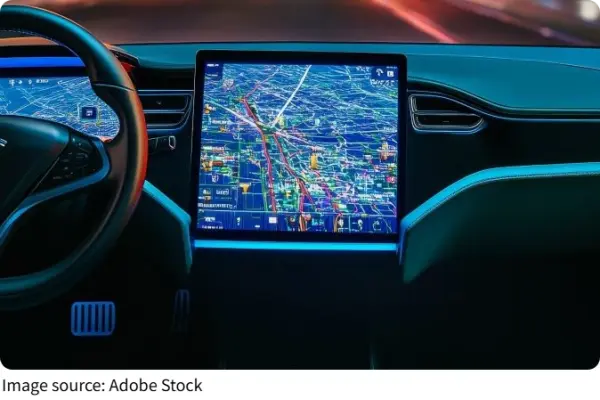
Understanding Adaptive Driving Technology
Before we dive into the specifics of machine learning, it's important to understand what adaptive driving technology actually does. Adaptive systems are designed to enhance the driving experience by assisting with tasks like steering, braking, and acceleration.
Real-Time Decision Making: ADAS uses sensors, cameras, and radar to gather data from the environment. The system then makes real-time decisions to adjust the vehicle's behavior accordingly. For instance, lane-keeping assist will gently steer your car back into the lane if it detects you're drifting.
Machine Learning in Action: AI-powered adaptive technologies go beyond simple rule-based systems. Machine learning enables them to continuously learn from data and improve their decision-making over time. This is where the response time improvements come into play. For example, as the system gathers more data about how you drive, it becomes better at anticipating your moves, improving reaction times.
Take advantage of the customization options in your car's adaptive systems. Many modern vehicles allow you to tweak settings for responsiveness, which can help fine-tune the experience to your driving style.
Machine Learning and Its Impact on Response Time
One of the main goals of using machine learning in adaptive driving systems is to enhance the speed and accuracy of the system's reactions. The faster and more precise the system, the better it can prevent accidents and reduce driver stress.
Faster Recognition of Hazards: With machine learning, the system doesn't just detect hazards like pedestrians or other vehicles; it learns to identify them faster. For example, if an object is moving toward your car, an AI system that has been trained on similar scenarios can predict the best course of action—whether it's applying the brakes or steering the vehicle to avoid a collision.
Learning from Experience: Unlike traditional systems that follow pre-programmed rules, machine learning allows the car to adapt to different conditions and situations. Over time, the system becomes more efficient at processing data, leading to quicker reactions. This can be particularly important in emergency situations, where seconds matter.
If your vehicle is equipped with automatic emergency braking (AEB), familiarize yourself with how the system works. In some cases, you might want to adjust the sensitivity so that the system reacts appropriately based on your driving habits.
AI's Role in Predictive Features
AI's predictive capabilities can significantly enhance the response time of adaptive systems. By analyzing data from previous driving experiences, the system can anticipate the need for certain actions before they become critical.
Predicting Driver Behavior: Machine learning allows the system to analyze past driving data to predict a driver's next move. For example, if the system recognizes that you frequently slow down when approaching a sharp curve, it can preemptively adjust the car's speed.
Adapting to Road Conditions: AI also takes road conditions into account. It can predict how road surface conditions—such as ice, rain, or potholes—might affect vehicle stability and can adjust the car's driving parameters accordingly, ensuring a safer and smoother ride.
Check if your vehicle offers predictive navigation features, which can adjust speed or suggest detours based on real-time traffic data. This feature is especially helpful on long trips, allowing for smoother driving.
Challenges and Future Developments
While AI in adaptive driving systems offers tremendous potential, there are still a few hurdles to overcome. As with any technology, the goal is continuous improvement, and the future looks bright for AI's role in road safety.
Data Quality and Sensor Accuracy: For machine learning systems to make fast and accurate decisions, they need high-quality data from sensors. If the sensors aren't properly calibrated or if they encounter environmental factors like fog or heavy rain, the system's response may be delayed or inaccurate.
Handling Complex Scenarios: AI is getting better at handling everyday driving situations, but it's still working on perfecting more complex scenarios—like responding to erratic driver behavior or sudden, unexpected obstacles.
Keep your car's software updated, as manufacturers frequently release improvements for adaptive systems, including enhanced sensor calibration and AI algorithm updates.
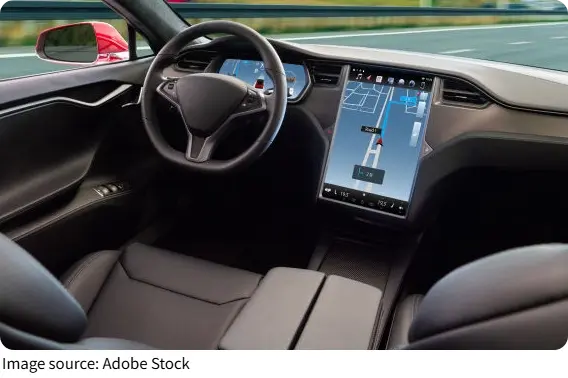
AI and machine learning are reshaping how adaptive driving technologies function, making cars smarter and more responsive. These technologies are not only improving the speed of reaction times but also enhancing the overall safety and driving experience. As AI continues to evolve, we can expect even more impressive advancements, from faster hazard detection to predictive features that make driving more intuitive.