Fuel Saving Tips

Nolan O'Connor
| 02-07-2026
 · Automobile team
With energy costs continuing to climb, many drivers are paying closer attention to how every trip affects their budget. For truck drivers especially, fuel has become one of the biggest ongoing expenses. Even when transport rates stay unchanged, operating pressure still increases.
Because of this, more drivers are looking for practical driving habits that might help reduce fuel use without changing their routes or workloads. Below, we explore several common techniques and look at whether they are truly helpful in real driving conditions.
Gentle Start for the Engine
Many drivers like to warm up the engine while parked before starting the trip. However, extended idling is not the most efficient approach. A more practical method is slow movement warming.
Instead of staying still for several minutes, the vehicle can begin moving at a low speed. Within a few minutes, the engine reaches working temperature while other parts also begin operating smoothly. This method supports smoother performance and can reduce unnecessary fuel use during idle time.
Climbing Hills with Balanced Power
When driving uphill, fuel use naturally increases due to higher resistance. Some drivers try to climb using high gear and low speed, thinking it saves time and fuel.
In real conditions, this can overload the engine and increase consumption instead. A more stable method is adjusting gear based on slope strength. Light slopes can use higher gear, while steeper roads benefit from lower gear and steady engine speed. Smooth pressure on the pedal helps maintain balance during the climb.
Managing Downhill Movement Safely
There is a common belief that shifting to neutral on downhill roads saves fuel. In reality, this approach reduces engine control over the vehicle.
When in neutral, the system continues limited fuel supply to maintain idle speed, and the vehicle may gain speed too quickly. This not only affects control but also increases wear on key components. Keeping gear engaged helps maintain steady speed and safer handling on slopes.
Using Constant Speed Features on Open Roads
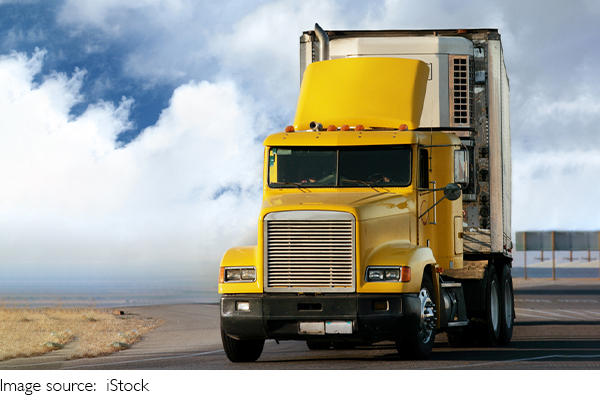
On long, open roads, maintaining a steady speed is one of the most effective ways to reduce unnecessary fuel changes. Many modern trucks include a system that helps keep speed consistent without frequent pedal adjustments.
This is especially useful on straight highways or flat terrain. However, on winding or uneven roads, manual control is still more suitable to maintain safety and avoid extra load on the engine.
Shifting at the Right Engine Speed
Gear shifting plays a major role in fuel efficiency. Changing gears at lower engine speed helps keep the engine working in an efficient range.
When shifts are smooth and timely, the engine avoids unnecessary strain. Many drivers aim to keep the rev level within a moderate green range on the dashboard, allowing better balance between power and fuel use.
Avoiding Unbalanced Gear Driving
Driving in a gear that does not match road conditions can lead to inefficient performance. For example, staying in a higher gear when more power is needed may cause the engine to struggle.
This condition increases load and may gradually reduce efficiency over time. Keeping gear and speed aligned helps the engine work more naturally and supports stable fuel consumption.
Smart Use of Driving Modes
Many trucks are equipped with different driving modes that adjust engine output based on load conditions. Choosing the right mode helps improve efficiency.
Light load conditions work best with economy-focused settings, while heavier transport benefits from stronger output modes. Selecting appropriately based on cargo weight helps balance performance and fuel use.
Managing Vehicle Load and Liquid Levels
Vehicle weight directly affects fuel consumption. Some drivers adjust fuel and water levels depending on trip distance, carrying only what is needed.
This can slightly reduce total weight and improve efficiency. However, planning is important to avoid running low during long routes. A balanced approach ensures both safety and efficiency are maintained.
Climate Control and Airflow Balance
Cab temperature settings also influence energy use. Higher temperature settings generally require less energy from the system, which may reduce consumption slightly.
At the same time, opening windows at higher speeds can increase air resistance, which may offset any savings. Finding a balanced approach between airflow and comfort helps maintain overall efficiency during long drives.
Reducing Frequent Braking
One of the most effective habits for saving fuel is avoiding unnecessary braking. Every time speed drops significantly, more energy is required to regain momentum.
Maintaining a safe distance from the vehicle ahead and anticipating traffic changes allows smoother driving. This reduces sudden stops and supports steady fuel performance throughout the journey.
Conclusion: Small Habits, Steady Impact
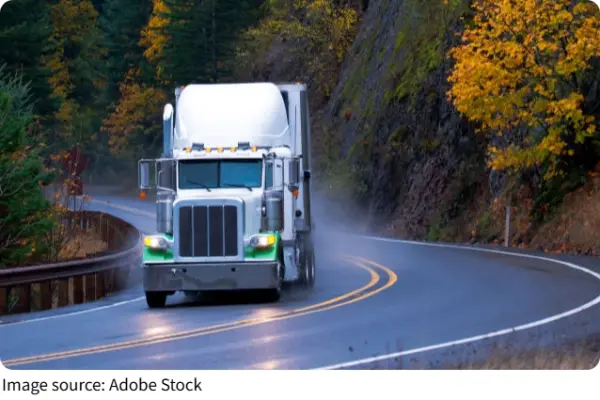
For Lykkers, fuel efficiency is not about a single technique but a combination of steady habits. Road conditions, vehicle setup, and driving behavior all work together to influence overall consumption.
By staying smooth, planning ahead, and adapting driving style to real conditions, we can make each trip more efficient without changing the core workload.
What about you? Have you developed your own driving habits that help you manage fuel use more effectively?