Coral Reefs: Ocean's Cities

Elena Rossi
| 26-06-2026
 · Animal team
Hi, Readers! If you think rush hour traffic is chaotic, wait until you hear about what's happening beneath the ocean's surface.
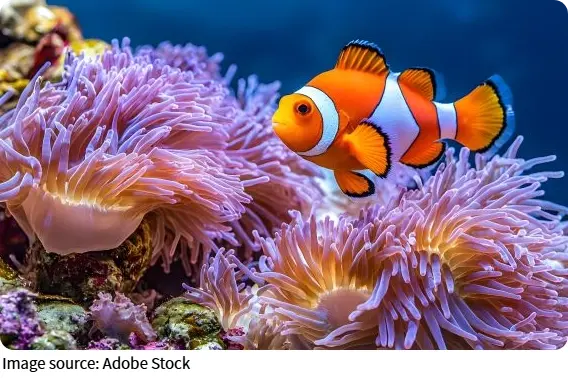
Coral reefs are basically the New York City of the sea, except instead of honking taxis and overpriced coffee, you've got clownfish darting through anemones and parrotfish casually munching on coral like it's a free buffet.
These incredible ecosystems cover less than one percent of the ocean floor, yet they support roughly 25 percent of all marine species. That's the equivalent of cramming a quarter of the world's population into a space smaller than France.
What Even Is a Coral Reef?
Here's where things get delightfully weird. Corals look like colorful rocks or funky plants, but they are actually animals. Tiny ones, called polyps, that build themselves little calcium carbonate apartments and then invite thousands of their closest friends to do the same.
Over time, these apartment complexes stack up into the massive reef structures we see today. Some reefs have been under construction for over 50 million years, which makes them the most committed builders in history. The Great Barrier Reef off Australia stretches over 2,300 kilometers, making it the largest living structure on Earth and literally visible from space.
The Neighborhood Residents
Think of a coral reef like a city with every kind of resident imaginable. You've got the glamorous ones, like lionfish with their dramatic, venomous fins, strutting around like they own the place. Then there are the hardworking ones, like cleaner shrimp and cleaner wrasse fish, who set up little cleaning stations where bigger fish line up patiently to get parasites removed.
It's basically a spa, but underwater and free of charge. Sharks cruise through like city cops on patrol. Octopuses squeeze into impossible crevices like that one neighbor who somehow fits a sectional sofa into a studio apartment. There are over 4,000 species of fish alone that call coral reefs home, plus sponges, sea turtles, eels, and creatures so bizarre they look like concept art from a sci-fi movie.
The Coral-Algae Partnership
One of the most fascinating things about coral reefs is the relationship between corals and the tiny algae living inside their tissues, called zooxanthellae. This is basically the reef's solar power system. The algae photosynthesize sunlight and share the energy with the coral, while the coral provides the algae with shelter and nutrients. It's one of nature's most successful roommate arrangements.
This partnership is also why corals are so colorful. When stress hits, usually from warming water temperatures, the coral kicks out the algae in a process called coral bleaching, turning ghostly white. It's like the city losing its electricity. Everything looks pale and things start falling apart fast.
Why Reefs Are in Trouble
Coral reefs are facing some seriously rough times. Rising ocean temperatures cause widespread bleaching events. Ocean acidification, caused by excess carbon dioxide being absorbed into seawater, makes it harder for corals to build their calcium carbonate structures, like trying to build a house when someone keeps dissolving your bricks.
Overfishing removes key species that keep the reef's ecosystem in balance. Pollution, coastal development, and runoff from land all pile on the pressure. Scientists estimate that around half of the world's coral reefs have already been lost in the past few decades, and that number is climbing in the wrong direction.
Conservation Efforts Giving Hope
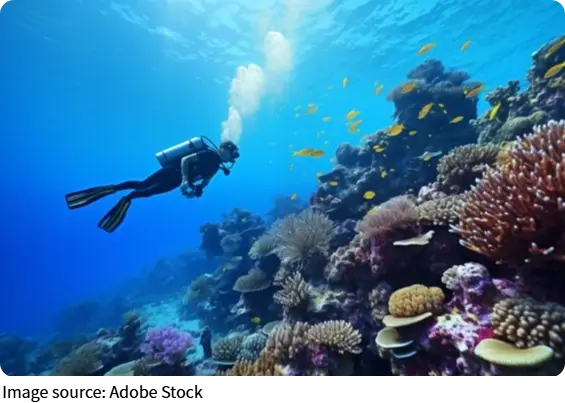
The good news is that people are fighting back with some genuinely clever strategies. Coral gardening programs involve growing coral fragments in underwater nurseries and then transplanting them onto damaged reefs, like a gardener replanting a forest after a fire.
Marine protected areas restrict human activity in certain reef zones, giving ecosystems breathing room to recover. Researchers are also experimenting with breeding more heat-tolerant coral strains that can handle warmer temperatures, essentially trying to help reefs evolve faster than the climate is changing.
Coral reefs are, without exaggeration, some of the most important and spectacular places on the planet. They feed millions of people, protect coastlines from storm surges, support tourism economies, and inspire medical research. They are ancient, complex, and breathtakingly alive. Next time you see a photo of a coral reef glowing with color and teeming with creatures, remember you are looking at a city that has been thriving far longer than any human civilization ever has. Let's do our part to make sure it keeps its lights on.