The Lake Behind the Wind

Elena Rossi
| 08-07-2026
 · Travel team
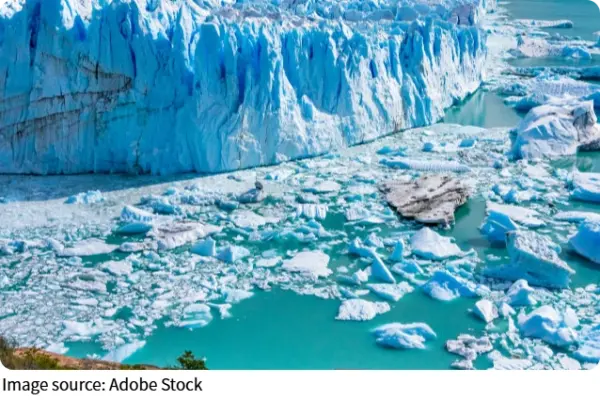
Friends, at the end of a 21-kilometer trail that climbs through southern beech forest, crosses glacial streams, and then punishes hikers with a near-vertical final kilometer of loose scree, a frozen turquoise lagoon appears in a rocky amphitheater directly beneath the granite towers of Mount Fitz Roy (3,405 meters). Laguna de los Tres—named after three early explorers—is the signature trek of El Chaltén in Argentine Patagonia, located within Los Glaciares National Park. The lake is often partially frozen even in summer, its milky turquoise water colored by glacial sediment, and the granite spires above it are so steep that clouds form, dissipate, and reform around the peaks in a cycle that can change the view every five minutes.
Trail Details
The Laguna de los Tres trail begins at the end of Avenida San Martín in El Chaltén, starting with a steep 45-minute climb through southern beech forest before leveling into a gentler valley walk along the Río Blanco. The total round-trip distance is approximately 21 to 24 kilometers (13 to 15 miles) with 800 to 1,500 meters of total elevation gain depending on the route variation. The final kilometer—ascending from Campamento Poincenot to the lagoon—gains approximately 400 meters on loose rock and requires genuine physical effort. Allow seven to ten hours for the full round trip. Starting between 5:00 and 6:45 AM is strongly recommended to reach the lagoon before midday clouds typically obscure the peaks.
Weather Reality
Patagonian weather is the single most important factor in this hike. Fitz Roy is visible from El Chaltén only on clear days—clouds can obscure the peaks entirely for days at a stretch. Checking forecasts (Windguru, Windy, or Meteoblue) on the morning of the hike is essential—prioritize days with low wind speeds and clear skies. Even on clear days, conditions at the lagoon can include freezing wind, sudden temperature drops, and horizontal gusts. Packing a windproof and waterproof jacket, warm layers, sun protection, and enough food and water for ten hours is non-negotiable.
Park Entry
Los Glaciares National Park charges an entrance fee for international visitors—rates are updated annually and fluctuate with Argentine inflation. As of recent seasons, international entry costs approximately $15 to $25 USD (check the official Argentine National Parks website for current rates in Argentine pesos). Tickets can be purchased online or at park entrances. The fee covers access to all trails in the El Chaltén sector. No permits are required for the Laguna de los Tres day hike—the trail is open to all visitors with a valid park entry ticket.
Getting There
El Chaltén is reached by bus from El Calafate—the nearest city with a commercial airport. The bus journey takes approximately three hours through Patagonian steppe, with multiple daily departures. One-way tickets cost approximately $45 to $60 USD. Many bus services stop at El Calafate Airport (FTE), allowing same-day connections from Buenos Aires. Flights from Buenos Aires to El Calafate take approximately 3.5 hours, with one-way fares from $80 to $250 USD depending on season and booking lead time. Small terminal fees of approximately $1 to $3 may apply at bus stations.
Where to Stay
El Chaltén is a small mountain town of approximately 1,600 permanent residents that swells dramatically during the hiking season (November through March). Hostel dormitory beds cost approximately $30 to $80 per night depending on season and availability. Mid-range hotels and hosterías cost $70 to $150+. Booking at least two months ahead for December through February is standard—the town's accommodation capacity is limited. Campamento Poincenot—a backcountry campsite partway up the Laguna de los Tres trail—offers free or low-cost camping for hikers who prefer to split the trek into two days. Advance registration may be required for backcountry sites.
Eating Smart
El Chaltén's remote location makes food prices higher than Argentine averages. Restaurant meals cost $20 to $30+ per person. Self-catering from the town's small supermarkets keeps daily food costs at $15 to $25 per person—purchasing supplies at La Anónima in El Calafate before the bus journey offers better selection and lower prices. Most hostels provide communal kitchens. Packing trail food (sandwiches, nuts, chocolate, fruit) for the Laguna de los Tres hike is essential—there are no food vendors on the trail.
Lykkers, Laguna de los Tres is a hike that earns its reward through genuine physical effort—the final kilometer of scree ascent, the Patagonian wind pushing back with every step, the uncertainty of whether the peaks will be visible when you arrive. And then the lagoon appears: turquoise, partially frozen, backed by granite towers that seem to exist at a scale designed to make human effort feel both insignificant and deeply worthwhile. The weather will dictate your schedule, the wind will test your gear, and the view—if Fitz Roy decides to show itself—will rearrange your understanding of what a mountain can look like. What is the hardest hike you have completed—and was the view at the end worth every step?