Cloud City in Stone

Declan Kennedy
| 08-07-2026
 · Travel team
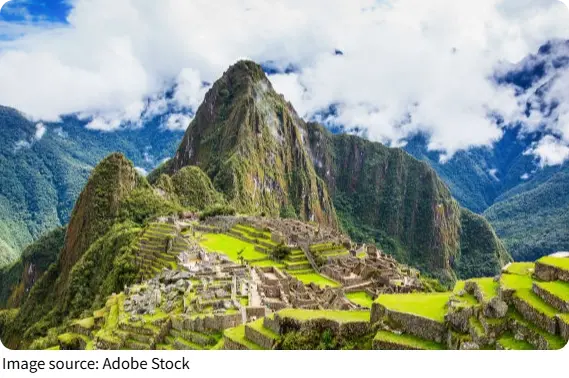
Friends, high in the eastern slopes of the Andes Mountains of Peru, at 2,430 meters above sea level, a city of precisely fitted stone terraces, staircases, and structures clings to a narrow ridge between two peaks—Huayna Picchu and Machu Picchu Mountain—with the Urubamba River curving through the valley 450 meters below. This ancient Incan citadel, built in the 15th century and abandoned within a hundred years, remained hidden under cloud forest vegetation for centuries before its rediscovery. Today, Machu Picchu operates as one of the most regulated and carefully managed archaeological sites on Earth, with strict daily visitor limits and advance booking requirements.
Entrance Tickets
Machu Picchu entrance tickets are divided into specific circuits—each routing visitors through different sections of the site. Standard tickets for foreign visitors cost approximately $45 to $60 depending on the chosen circuit and any mountain hike add-ons. Students with valid international ID and children aged 3 to 17 pay approximately $20 to $25. Tickets for the Huayna Picchu or Machu Picchu Mountain hikes—which provide elevated perspectives over the citadel—cost at the higher end of the range and sell out months in advance. All tickets are purchased through the official government website (tuboleto.cultura.pe). Booking six or more months ahead for peak season (June through August) is strongly recommended—daily capacity is strictly limited.
Getting There
Most visitors reach Machu Picchu via train from Ollantaytambo to Aguas Calientes (Machu Picchu Pueblo)—the small town at the base of the mountain. Round-trip train tickets on PeruRail or Inca Rail cost approximately $140 to $250 for standard tourist class, with luxury services (Vistadome, Hiram Bingham) costing significantly more. From Aguas Calientes, a shuttle bus climbs the switchback road to the citadel entrance in approximately 25 minutes—tickets cost approximately $12 each way ($24 round trip). Walking up from Aguas Calientes takes approximately 1.5 to 2 hours on a steep staircase path.
Inca Trail Trek
The four-day Classic Inca Trail trek—a 43-kilometer hike through cloud forest, mountain passes, and ancient stone pathways—arrives at Machu Picchu through the Sun Gate at dawn on the final day. The trek is exclusively operated through licensed tour companies and costs approximately $800 to $1,000+ per person, including permits, guides, porters, camping equipment, meals, and citadel entrance. Permits for the high season sell out 6 to 12 months in advance. Alternative treks—including the Salkantay Trek and Lares Trek—offer multi-day hiking experiences at lower prices ($300 to $600) without the same permit restrictions.
Aguas Calientes
Aguas Calientes serves as the overnight base for most visitors. Budget hostels and guesthouses cost approximately $20 to $40 per night. Mid-range hotels range from $50 to $120. Restaurant meals cost $5 to $15 at local eateries, with tourist-oriented restaurants charging $15 to $30. The town's hot springs (termas) offer thermal bathing for approximately $5 to $8 entrance. Most visitors stay one night—arriving by afternoon train, visiting the citadel the following morning, and returning by afternoon train. Carrying Peruvian soles in cash is advisable, as not all establishments accept cards.
Cusco Base
Cusco—the former Inca capital at 3,400 meters—serves as the regional base for all Machu Picchu visits. Flights from Lima to Cusco take approximately 1.5 hours, with one-way fares from $50 to $150. Cusco accommodation ranges from $10 to $30 for hostels, $30 to $80 for mid-range hotels, and $80 to $250+ for boutique properties. The city's altitude requires one to two days of acclimatization before attempting strenuous activity. The Sacred Valley (Ollantaytambo, Pisac, Urubamba)—located between Cusco and Machu Picchu at lower elevation—offers an excellent intermediate stop for acclimatization.
Practical Tips
The dry season (May through September) provides the clearest skies and most reliable weather, with June through August being peak visitor months. The wet season (November through March) brings rain but fewer visitors and greener landscapes. Bringing rain gear regardless of season is advisable—the site sits in cloud forest where weather changes rapidly. Passport is required for entry and must match the name on the ticket. No large bags, tripods, or food are permitted inside the citadel—a bag check is available at the entrance for approximately $2 to $3.
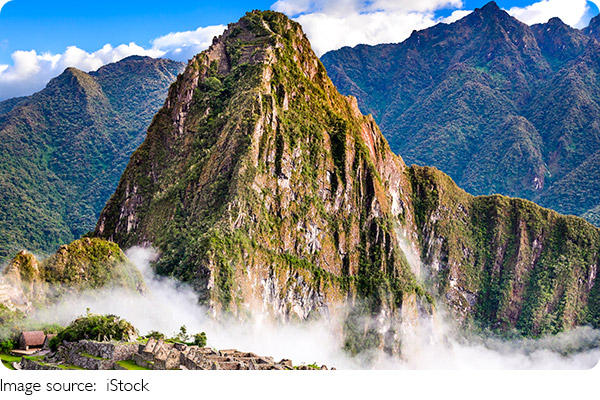
Lykkers, Machu Picchu is one of those places where the photographs—no matter how stunning—consistently fail to convey the actual experience of standing on a stone terrace at 2,430 meters, watching clouds roll through the citadel below, and realizing that the people who built this place did it with stone tools on the edge of a cliff 600 years ago. The logistics are demanding, the booking timeline is long, and the altitude is real. But the moment the clouds part and the full citadel appears below the Sun Gate, every planning detail becomes invisible. What ancient site has left you feeling that the people who built it understood something about the world that modern engineering has forgotten?