Floating Past the Pyramids

Nolan O'Connor
| 08-07-2026
 · Travel team
Readers, the Nile River—the longest river in Africa at approximately 6,650 kilometers—has served as Egypt's primary transportation corridor for over 5,000 years. Between Cairo and Aswan, a distance of roughly 900 kilometers, the river passes the Giza Necropolis with its three great pyramids and the Great Sphinx, the monuments of Luxor and Karnak, the Valley of the Kings, and dozens of smaller monuments lining both banks. A Nile cruise between these cities remains one of the most immersive ways to experience ancient Egypt—gliding between archaeological sites while the desert landscape scrolls past on both sides.
Cruise Options
Most Nile cruises operate the Luxor-to-Aswan or Aswan-to-Luxor route over three to four nights, with longer itineraries extending from Cairo. Budget and standard cruises cost approximately $300 to $500 per person for three to four nights, including full-board meals and guided monument visits. Mid-range cruises run $600 to $900. Luxury vessels and traditional dahabiya (sailing boats) start from $1,200+ per person. Most cruise packages include meals and guided tours but may exclude entrance fees to individual monuments—always confirm what is bundled before booking. Peak season runs October through April, commanding higher prices; summer (May through September) offers lower rates but extreme heat.
Giza Plateau
The Giza Necropolis—located on Cairo's western edge—holds the Great Pyramid of Khufu, the pyramids of Khafre and Menkaure, and the Great Sphinx. General entry for international visitors costs approximately $14.50 (700 EGP). Interior access to the Great Pyramid costs an additional $20 to $30 (1,000 to 1,500 EGP). The Grand Egyptian Museum (GEM), adjacent to the plateau, charges approximately $25 to $30 for international tickets. The plateau opens daily at 8:00 AM. Payment at most Egyptian archaeological sites now requires credit or debit cards—cash is increasingly not accepted at ticket windows.
Luxor Highlights
Luxor—approximately 660 kilometers south of Cairo—contains the highest concentration of ancient monuments in Egypt. Karnak complex entry costs approximately $12 (600 EGP). Luxor monument entry costs approximately $10 (500 EGP). The Valley of the Kings—on the bank—costs approximately $15 (750 EGP) for access to three tombs, with premium tombs requiring separate tickets. A horse-drawn carriage (calèche) from the east bank to the bank ferry costs approximately $5 to $10. Guided full-day Luxor tours (east and bank combined) cost approximately $40 to $80 per person through cruise operators or local agencies.
Aswan Experiences
Aswan—the southernmost major city on the Egyptian Nile—offers a distinctly different atmosphere: slower pace, Nubian cultural influences, and dramatic desert-meets-river scenery. Felucca rides (traditional sailboats) cost approximately $20 to $45 per person for one to two hours, often including sunset viewing. The Philae monument complex—relocated to Agilkia Island—costs approximately $10 to $15 to enter, plus a small boat transfer fee. The Aswan High Dam is free to visit from its observation points. The Nubian Village experience (accessible by motorboat) costs approximately $15 to $25 per person.
Cairo to Aswan
Domestic flights between Cairo and Luxor or Aswan take approximately 1 to 1.5 hours, with one-way fares from $80 to $200 depending on airline and booking time. The overnight sleeper train from Cairo to Luxor or Aswan costs approximately $80 to $120 per person in a shared cabin. Most cruise itineraries begin in either Luxor or Aswan—travelers typically fly from Cairo to one city, cruise to the other, and fly back. Uber and the local Careem app provide the most reliable city transportation in Cairo at $1 to $8 per ride.
Where to Stay
Cairo budget guesthouses start from approximately $15 to $35 per night. Mid-range hotels with Nile or pyramid views cost $60 to $150. The Marriott Mena House at Giza—offering direct pyramid views—commands $150 to $350+ nightly. In Luxor and Aswan, budget hotels start from $15 to $30, with mid-range waterfront options from $40 to $100. Egypt's overall cost of travel is remarkably affordable—street food costs $1 to $3, full restaurant meals $5 to $15, and bottled water under $1. Tipping (baksheesh) is customary and expected throughout—carrying small bills in Egyptian pounds ensures smooth interactions.
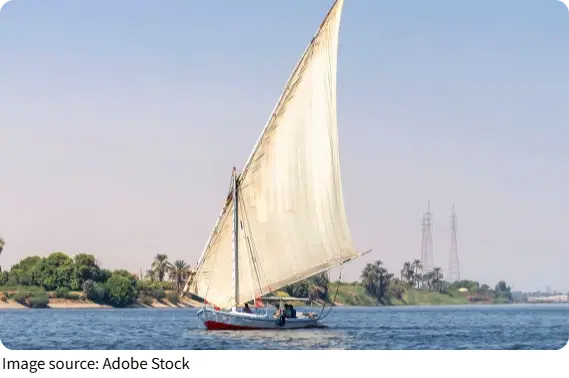
Friends, the Nile between Cairo and Aswan is not just a river—it is a 5,000-year-old road that connects the largest monuments ever built to the oldest continuous civilization on Earth. Floating between the pyramids and the sandstone cliffs of Aswan, watching villages and date palms pass on the riverbanks, it becomes clear that this landscape has been producing the same view for travelers since long before recorded history. If you could take one river journey anywhere on Earth and see history from the water, would the Nile be your choice—or does another river hold a deeper claim?