Glaciers and Peaks

Rafael
| 02-09-2026
 · Travel team
Friends, across the Swiss Alps, glaciers that formed during the last Ice Age still cling to peaks and valleys—rivers of compressed ice that have been slowly moving downhill for over 11,000 years.
The Aletsch Glacier—the largest in the Alps at approximately 23 kilometers long—flows between mountains that exceed 4,000 meters, visible from panoramic viewpoints accessible by cable car and cogwheel railway.
From the Jungfraujoch research station to the Matterhorn Glacier Paradise above Zermatt, the Swiss Alps offer some of the most accessible high-altitude glacier experiences in the world—no mountaineering skills required, just a train ticket and a clear day.
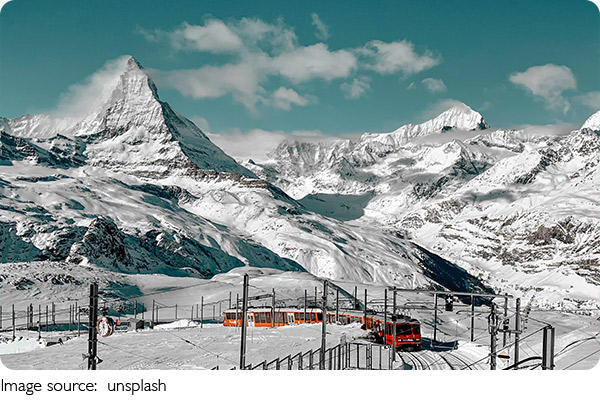
Jungfraujoch Summit
Jungfraujoch—marketed as the "Top of Europe" at 3,454 meters—is Europe's highest railway station, positioned in the saddle between the Mönch and Jungfrau peaks. The station offers direct views onto the Aletsch Glacier, an ice plateau experience, a science exhibition, and a panoramic restaurant.
Round-trip tickets from Grindelwald Terminal via the Eiger Express gondola start from approximately $132 (CHF 119.60) with a Swiss Half Fare Card, and exceed $220 (CHF 200) at full fare.
Swiss Travel Pass holders receive a 25 percent discount. The Eiger Express gondola covers the first leg in just 15 minutes, followed by a cogwheel train through a tunnel inside the Eiger mountain.
Mandatory seat reservations apply during peak months (May through August)—booking in advance is strongly recommended.
Aletsch Glacier Views
The Aletsch Glacier is best viewed from the Aletsch Arena—a network of cable cars and viewpoints accessible from the village of Fiesch. The Eggishorn viewpoint (2,927 meters) provides the most spectacular perspective—looking directly down the full 23-kilometer length of the glacier.
A round-trip cable car ticket from Fiesch to Eggishorn costs approximately $57 (CHF 52) at full fare. The Aletsch Explorer Pass—offering unlimited access to all lifts in the arena for multiple days—provides better value for extended stays.
From the viewing platforms, the glacier's medial moraines (dark stripes of debris running along its center) are clearly visible, demonstrating the merging of tributary glaciers over thousands of years.
Zermatt and Matterhorn
Zermatt—a car-free village at the foot of the Matterhorn (4,478 meters)—offers glacier access via the Matterhorn Glacier Paradise cable car, which reaches 3,883 meters—the highest cable car station in Europe. Round-trip tickets cost approximately $110 to $132 (CHF 100 to CHF 120) at full fare, with Swiss Half Fare Card holders paying half price.
The summit station includes a Glacier Palace (ice cave carved inside the glacier), a cinema lounge, and a 360-degree viewing platform. Zermatt is reached by train only—drivers park in Täsch and take a shuttle train for the final 12 minutes (approximately $9 to $11 / CHF 8.40 round trip).
Transportation Passes
Switzerland's rail system makes glacier destinations remarkably accessible.
The Swiss Half Fare Card ($132 / CHF 120 for one month) halves all train, bus, boat, and mountain railway prices throughout the country—the single most cost-effective purchase for any Swiss trip.
The Swiss Travel Pass (from $248 / CHF 225 for three consecutive days) covers unlimited mainline rail travel and discounts on mountain excursions.
The Glacier Express scenic train between Zermatt and St. Moritz (approximately 8 hours) costs from $66 to $165 (CHF 60 to CHF 150) for second-class tickets with reservation fees.
Swiss Alps
Where to Stay
Grindelwald mid-range hotels cost approximately $220 to $440 (CHF 200 to CHF 400) per night. Zermatt accommodation starts from approximately $385 (CHF 350) for standard hotels, with premium properties exceeding $1,100 (CHF 1,000). Budget travelers stay in Interlaken (hostels from $55 / CHF 50 per night) and take day trips to glacier viewpoints.
Mountain huts (SAC hütten) along hiking routes offer basic dormitory beds and meals from approximately $55 to $88 (CHF 50 to CHF 80) per night—advance booking is required. Self-catering from Coop and Migros supermarkets reduces daily food costs to $22 to $44 (CHF 20 to CHF 40) per person.
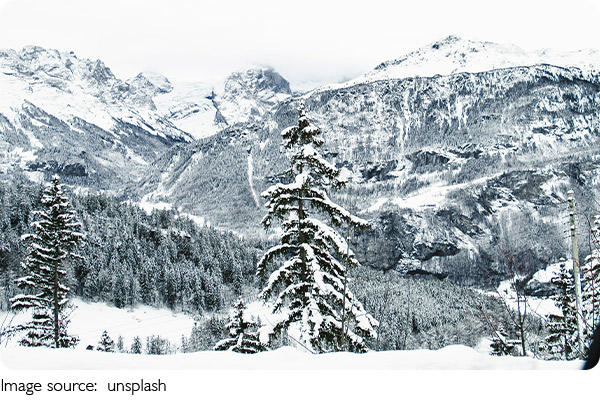
Lykkers, the Swiss Alps glaciers are among the most accessible windows into deep geological time available anywhere on Earth—11,000-year-old ice rivers flowing between peaks that were shaped by forces operating on timescales the human mind can barely comprehend.
Standing at Eggishorn and looking down 23 kilometers of ancient ice, or riding a cable car to 3,883 meters above Zermatt, it becomes clear that these landscapes are not static postcards but living systems in constant motion.
The glaciers are changing year by year, making a visit today a chance to experience these remarkable landscapes as they are now.