Two Hundred Hidden Falls

Julian
| 03-09-2026
 · Travel team
Lykkers, in the mountainous interior of Gifu Prefecture, Japan, a small town called Hida-Osaka holds one of the most extraordinary concentrations of waterfalls on Earth.
Over 200 waterfalls—formed approximately 54,000 years ago when lava flows from Mount Ontake created a labyrinth of rocky channels—cascade through forested valleys within a single district.
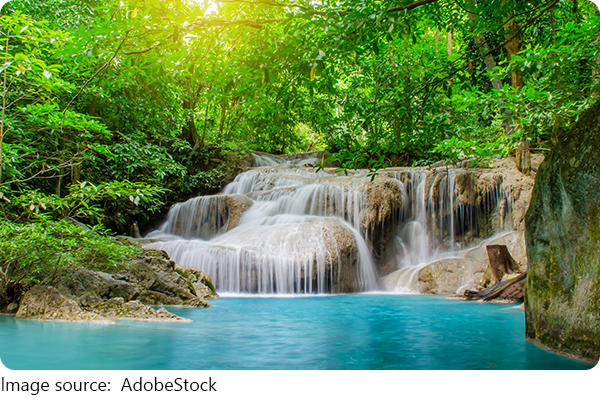
Mitsudaki Falls, a three-tiered cascade dropping through moss-covered rock into crystal pools, is the most accessible and celebrated of these waterfalls. The surrounding area rewards visitors who come prepared with sturdy shoes and an appetite for forest silence.
Three Tiers
Mitsudaki Falls cascades in three distinct stages through a narrow, forested gorge—each tier visible from different vantage points along a well-maintained trail. The walk from Gandate Park to the first viewing point (Takimi Bridge) takes approximately 5 to 10 minutes on a flat, paved path suitable for most visitors. Seeing all three tiers requires climbing over 200 stone steps through progressively wilder terrain.
An environmental maintenance fee of approximately $2 (¥300) is requested at the trailhead. The trail surface alternates between wooden boardwalks, cobblestone paths, and metal walkways—some sections become slippery when wet, making proper footwear essential.
Mitsudaki Falls
Gandate Park
The starting point for the Mitsudaki trail, Gandate Park sits in a volcanic landscape of columnar basalt formations created by ancient lava flows. The park itself—with its geometric rock columns, forest canopy, and riverside walking paths—is a destination in its own right, separate from the waterfall trail.
Entry to Gandate Park is free. Restroom facilities, parking, and a small visitor information center are available. The park is open from April through November, with exact dates varying by snow conditions. Deep winter closures apply, though specialized frozen-waterfall trekking tours operate during the coldest months.
Beyond Mitsudaki
Hida-Osaka's remaining 200+ waterfalls range from easily accessible roadside cascades to remote falls deep in national forest that require certified guides and advance permits.
Guided waterfall trekking tours cost approximately $40 to $80 (¥6,000 to ¥12,000) per person for half-day experiences, and $80 to $130 (¥12,000 to ¥20,000) for full-day adventures into restricted forest areas. Guides provide safety equipment, forest access permits, and detailed interpretation of the volcanic geology and forest ecology.
Booking through the Hida-Osaka Tourist Association or the 200 Falls Office is recommended at least one to two weeks in advance, particularly during autumn foliage season.
Best Seasons
Each season transforms Mitsudaki and the surrounding forest.
Spring (April through May) brings fresh green canopy and strong water flow from snowmelt.
Summer offers deep shade and cool temperatures for forest bathing (shinrin-yoku).
Autumn—typically peaking from late October through early November—drapes the gorge in crimson and gold maple foliage, creating some of the most dramatic waterfall photography conditions in Japan.
Winter frozen-waterfall tours (January through February) reveal ice formations on smaller cascades throughout the district—a specialized experience offered by local operators.
Getting There
Hida-Osaka Station is served by the JR Takayama Line, which connects the area to both Nagoya (to the south) and Takayama (to the north).
From Nagoya, the Limited Express Hida train reaches Hida-Osaka in approximately two hours, with fares of approximately $28 to $35 (¥4,170 to ¥5,200).
From Takayama, the journey is approximately 35 to 45 minutes at approximately $7 to $14 (¥1,000 to ¥2,000).
From Hida-Osaka Station, local buses or pre-arranged inn shuttle services reach Gandate Park in approximately 15 minutes.
Driving from Gero Onsen takes approximately 30 minutes, with free parking at the park entrance.
Where to Stay
The nearest major accommodation hub is Gero Onsen—one of Japan's three most famous hot spring towns—approximately 30 minutes south by car or train.
Traditional ryokan (Japanese inns) with meals included range from $75 to $400+ (¥11,000 to ¥60,000+) per night depending on luxury level.
Budget hotels and guesthouses start from approximately $50 to $75 (¥7,500 to ¥11,000).
Hida-Osaka itself offers rustic local lodgings including guesthouses and forest bungalows from approximately $40 to $90 (¥6,000 to ¥13,500) per night—many featuring natural carbonated hot springs unique to the volcanic area.
Booking one to two months ahead is advisable for autumn weekends.
Eating Locally
Gero and Hida-Osaka offer affordable Japanese dining. Ramen and udon shops serve generous bowls for $5 to $8 (¥750 to ¥1,200). Set meals (teishoku) at local restaurants cost $8 to $15 (¥1,200 to ¥2,200). Convenience stores (konbini) provide excellent prepared meals, rice balls, and bento boxes for $3 to $7 (¥450 to ¥1,000) per meal.
Cash is recommended throughout the area—many smaller restaurants and shops do not accept card payments. Carrying ¥5,000 to ¥10,000 in cash ensures comfort across a full day of exploration.

Readers, Hida-Osaka is one of those rare places where the headline attraction—Mitsudaki's three-tiered cascade—is genuinely beautiful, but the scale of what surrounds it is almost incomprehensible. Over 200 waterfalls hidden in volcanic forest, each with its own character, its own season, its own sound. So why not make the trip and discover the waterfalls, trails, and quiet beauty of Hida-Osaka for yourself?