Quiet Time, Stronger Focus

Pardeep Singh
| 02-06-2026
 · Animal team
Have you ever noticed how some children can stay deeply engaged when they are on their own, while others seem easily distracted in busy surroundings?
In daily life, many of us try to support children through guidance and involvement. While encouragement is important, another valuable element is often overlooked—quiet time spent independently.
These calm moments can provide opportunities for children to develop sustained attention, explore personal interests, and think more deeply about the world around them. When free from constant interruptions, they can engage with activities at their own pace and build valuable cognitive and creative skills through experience.
Why Quiet Moments Matter
A quieter environment reduces the number of competing distractions children must process at once. Instead of repeatedly shifting from one stimulus to another, they can remain engaged with a single activity for a longer period.
Whether reading, drawing, building, or simply observing their surroundings, children have opportunities to become immersed in what they are doing. This uninterrupted engagement encourages careful observation, patience, and purposeful involvement in the task at hand.
The experiences children encounter during their early years can also influence how they learn and interact with their environment. As noted by AptaAdvantage, "Children's brain responds with great sensitivity to experiences and influences from outside in the early phase of its development." This observation highlights the importance of providing positive and supportive environments, including opportunities for calm reflection and independent exploration.
Over time, these experiences may help strengthen the ability to maintain attention and remain engaged with meaningful activities.
Reading and Meaningful Engagement
A good book can capture a child's imagination in a unique way. As a story unfolds, readers follow characters, events, and ideas from beginning to end, encouraging sustained involvement with a single activity.
Unlike many fast-paced forms of entertainment, reading often requires children to follow details, visualize scenes, and connect ideas. This process encourages active mental participation and supports the development of deeper engagement with information and ideas.
Regular opportunities for this type of immersion can contribute to stronger habits of concentration, persistence, and thoughtful reflection.
Clearer Thinking in Calm Environments
Busy settings filled with movement and noise can sometimes make it challenging to stay on task. Frequent distractions may interrupt thought processes and reduce opportunities for careful problem-solving.
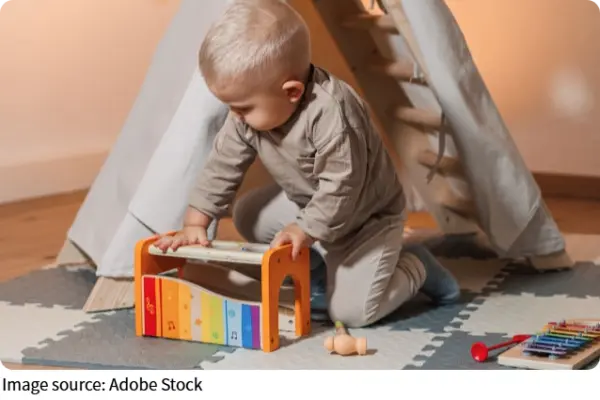
In a calmer space, children often have greater freedom to approach activities thoughtfully and complete them at a comfortable pace. Tasks such as assembling a puzzle, creating artwork, or organizing belongings can encourage planning, decision-making, and attention to detail.
These experiences help create conditions that support clear thinking, independent problem-solving, and purposeful action.
Discovering Personal Interests
Independent time also allows children to learn more about themselves. Without constant direction, they can begin to identify activities that naturally spark curiosity and enjoyment.
Some children may gravitate toward creative projects, while others may enjoy constructing objects, exploring stories, or experimenting with new ideas. Following these interests can encourage deeper involvement and a stronger sense of motivation.
As children gain confidence in their preferences and abilities, they often become more willing to invest time and effort in activities they find meaningful. This process supports self-discovery, confidence-building, and personal development.
Creating a Supportive Home Environment
Encouraging quiet time does not require elaborate arrangements. A comfortable reading corner, a small creative workspace, or a period of unstructured time during the day can provide valuable opportunities for independent engagement.
It is also beneficial to respect moments when children are fully absorbed in an activity. Allowing them to continue without unnecessary interruptions helps maintain momentum and reinforces a sense of achievement and autonomy.
Simple resources such as books, art supplies, building materials, or educational activities can further support exploration, creativity, and self-directed learning.
Learning Through Observation
Children often learn by watching the people around them. When they observe family members reading, writing, creating, or working thoughtfully on a project, they see examples of patience and purposeful effort in action.
These everyday experiences demonstrate that meaningful achievements often develop through consistency, curiosity, and dedication rather than instant results.
Such examples help children understand that valuable skills are strengthened gradually through practice and experience.

Growing Through Quiet Moments
Quiet time is far more than a pause in the day. It can provide space for reflection, discovery, creativity, and steady learning. Through independent experiences, children have opportunities to strengthen attention, develop confidence, and explore their interests in meaningful ways.
By creating environments that allow for calm and uninterrupted engagement, we can support habits that contribute to lifelong learning, resilience, self-confidence, and personal growth.
Lykkers, have you noticed how a peaceful moment can inspire new ideas or deeper involvement in an activity? Sometimes, the simplest opportunities for growth begin with a little space, a little quiet, and the freedom to explore.