Healthy Vegetable Cooking

Kwame Johnson
| 10-10-2026
 · Cate team
Lykkers! Vegetables provide essential vitamins, minerals, fiber, and beneficial plant compounds that contribute to a balanced diet.
The way they are prepared can affect their flavor, texture, and nutritional value.
By choosing suitable cooking methods and avoiding unnecessary cooking time, you can enjoy delicious vegetables while making the most of their nutritional benefits.
Steaming for Fresh Flavor
Steaming is a practical way to cook vegetables while limiting their contact with water, helping reduce the loss of water-soluble vitamins. Broccoli, carrots, cauliflower, green beans, and leafy greens are particularly suitable.
Bring a small amount of water to a boil, place the vegetables in a steamer basket above the water, and cover. Cook until they are tender but still retain their natural color and texture. Check regularly to prevent overcooking.
Sautéing With Minimal Oil
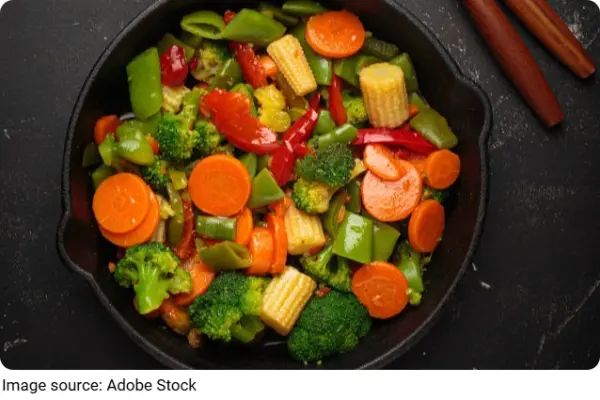
Sautéing provides a quick way to develop flavor while maintaining the texture of many vegetables. Bell peppers, mushrooms, zucchini, asparagus, and onions work especially well.
Heat a small amount of olive oil or another suitable cooking oil in a pan. Add the prepared vegetables and stir occasionally over medium heat until they reach the desired tenderness. A little water can be used instead of oil, although the vegetables will soften rather than brown.
A modest amount of oil can also help the body absorb fat-soluble nutrients, including beta-carotene found in carrots and certain leafy greens.
Roasting for Deeper Flavor
Roasting brings out the natural sweetness of vegetables and creates appealing textures. Sweet potatoes, cauliflower, carrots, zucchini, and Brussels sprouts are excellent choices.
Wash and cut the vegetables into evenly sized pieces. Arrange them on a baking sheet, season with herbs and spices, and add a little oil if desired. Roast in a preheated oven until tender, turning the pieces as needed for even cooking.
Although heat can reduce some sensitive vitamins, roasted vegetables remain a valuable part of a balanced diet.
Boiling With Less Nutrient Loss
Boiling is convenient for preparing potatoes, green beans, and vegetables for soups. However, some water-soluble vitamins, including vitamin C and certain B vitamins, can pass into the cooking water.
Use only enough water to cook the vegetables and avoid unnecessarily long cooking times. When possible, add the cooking liquid to soups or sauces instead of discarding it.
Boiling can still be part of a healthy eating routine. Its nutritional effects depend on the vegetable, cooking duration, and how the cooking liquid is used.
Microwaving for Convenience
Microwaving offers a quick way to prepare vegetables with minimal water. Because cooking times are often short, this method can help preserve certain nutrients.
Place washed, cut vegetables in a microwave-safe dish with a small amount of water. Cover according to the dish manufacturer's instructions and cook until tender, checking regularly to prevent overcooking.
Harvard Health Publishing explains that cooking methods using less water and shorter cooking times can help retain nutrients. This makes microwaving a convenient option for everyday vegetable preparation.
Simple Tips for Better Results
A few practical habits can make vegetable preparation easier and more nutritious:
- Wash vegetables thoroughly before cutting or cooking.
- Keep edible skins on when appropriate to retain fiber and nutrients.
- Cut vegetables into evenly sized pieces for consistent cooking.
- Avoid overcooking to help maintain texture, color, and heat-sensitive nutrients.
- Use herbs, spices, garlic, or lemon juice to add flavor without excessive salt.
- Choose a variety of vegetables and cooking methods to enjoy different flavors and textures.
- Include raw and cooked vegetables when suitable, since preparation methods can affect nutrient availability differently.
Build a Healthy Cooking Routine
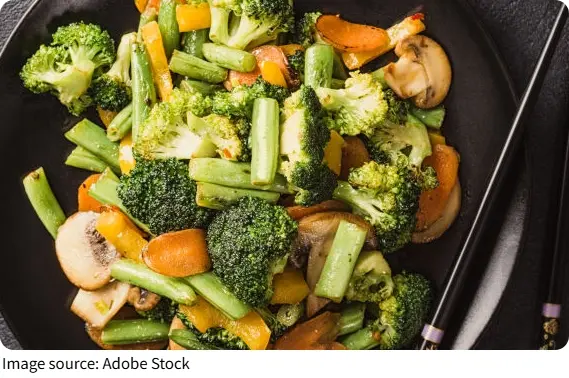
No single cooking method is best for every vegetable. Steaming, sautéing, roasting, boiling, and microwaving can all contribute to nutritious meals when used appropriately. Focus on variety, moderate seasoning, and suitable cooking times to make vegetables a flavorful and consistent part of your everyday diet.