Coconut Pandan Sago Recipe

Arjun
| 29-05-2026
 · Cate team
Hi, Friends!
If your idea of a perfect dessert is something creamy, fragrant, bouncy, and totally fuss-free, then buckle up because coconut pandan sago is about to become your new best friend.
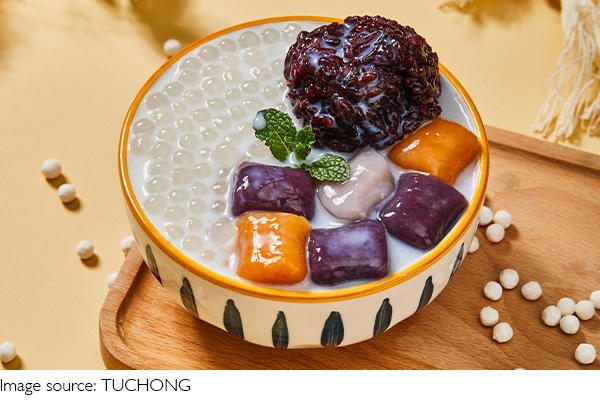
Think of it as the laid-back cousin of fancy puddings. No oven, no fuss, just a saucepan, a few simple ingredients, and a result so good it feels like you cheated somehow.
What Is Coconut Pandan Sago?
Coconut pandan sago is a light, sweet, creamy dessert featuring small tapioca pearls, palm sugar, and coconut milk with pandan extract. It is a beloved treat across Southeast Asia, and once you taste it, you will completely understand why. Tapioca pearls and pandan are common ingredients used in Southeast Asian desserts, especially in Singapore, Malaysia, Thailand and Indonesia. The pandan is the real star here. Pandan extract is a concentrated liquid made of puréed pandan leaves and water and has a delicious floral grassy vanilla taste and scent. Basically, imagine if vanilla and fresh-cut grass had a tropical baby. That is pandan.
Ingredients You Will Need
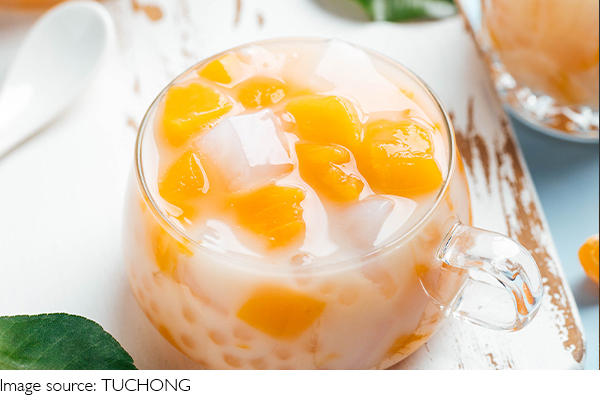
Here is everything you need to bring this beauty to life. Keep it simple, keep it real:
- ½ cup small tapioca pearls (sago)
- 5 cups water (for boiling)
- 1 cup full-cream coconut milk
- 3 tbsp palm sugar, roughly chopped
- 2 tbsp water (for the syrup)
- ½ tsp pandan extract
- A pinch of salt
Pandan extract can be made at home or store-bought at certain Asian grocery stores or online. If you go the store-bought route, just make sure it is the real deal and not some neon-green food coloring pretending to be pandan. There is a difference, and your taste buds will know.
How to Cook the Sago Pearls
In a medium size saucepan of water (about 5 cups), bring to a boil on high heat. Once the hot water reaches boiling point, add tapioca pearls. Reduce to medium heat or to a rolling boil and boil for 10 minutes uncovered. Stir occasionally. This stirring part is crucial. Ignore it and your pearls will stage a dramatic clumping protest on the bottom of your saucepan.
Turn off the heat, cover and let it sit for another 10 minutes until the pearls have softened and are completely translucent. If you see a small white dot in the center of the pearls, let them sit in the hot water covered for another 2-3 minutes to become fully translucent. Those tiny white dots are your cue. They are basically the pearls saying "not quite ready yet, give me a moment."
Strain the cooked pearls in a fine mesh sieve and rinse off the excess starch with cold running water until cool to touch. Shake out as much excess water and transfer to a large bowl. This cold rinse step is not optional. It stops the pearls from turning into one big sticky blob, which is nobody's idea of a good dessert.
Making the Coconut Base and Palm Sugar Syrup
Add coconut milk to the cooked tapioca and mix well. Set aside. Now for the syrup. Heat a small non-stick pan on medium heat, add palm sugar with water, mix and simmer for 3-4 minutes until it thickens, then remove off heat and mix this syrup into the coconut sago mixture. The palm sugar syrup smells absolutely incredible while it bubbles away. It is like a warm caramel hug.
Palm sugar, with its deep caramel notes, is essential for balancing the coconut milk's sweetness and adding a complex, earthy flavor. If palm sugar is unavailable, brown sugar can be a suitable substitute, though it may alter the authentic taste slightly.
Adding the Pandan Color and Serving
Divide the sweet coconut sago mixture into two equal portions. To one portion, add pandan extract. Stir it in and watch the mixture turn the most gorgeous shade of green. It is like the dessert just put on its best outfit. To serve, equally divide the rose and pandan sago mixture between four dessert bowls or glasses. Mix to enjoy!
Tips, Storage, and Common Mistakes
Opt for full-cream coconut milk for a luscious consistency, as it adds depth to the soup. Low-cream coconut milk here is like showing up to a party in flip-flops. Technically allowed, but why?
When cooking the tapioca, make sure to stir constantly so it does not stick onto the bottom of the pan and do not overcook as it will melt. Overcooked sago turns into a gummy mess faster than you can say "where did my pearls go."
For storage: this dessert is best enjoyed fresh or same day. Leftovers can be stored in an airtight container in the fridge for up to 4 days. This dessert requires no reheating and can be enjoyed chilled. And if you are wondering about freezing, don't. Rose pandan coconut sago does not freeze well because the sago will turn hard. Hard sago is truly one of the saddest things in the dessert world.
Give this coconut pandan sago a try this weekend. It is the kind of recipe that makes you look like a kitchen genius with barely any effort. Serve it chilled, snap a photo before someone devours it, and share the love. Lykkers, this one is a keeper!