Moto Tire Guide

Margot
| 26-05-2026
 · Automobile team
Tires are the only part of a motorcycle actually touching the road, yet most riders spend far less time thinking about them than they do exhaust notes or handlebar styles.
The rubber choice affects grip, wear rate, fuel efficiency, and how the bike behaves in corners and rain — all at once. Getting it right means matching the tire type to how and where you actually ride.
Sport Tires: Grip Over Everything
Sport tires use softer rubber compounds, which means they warm up quickly and deliver impressive grip during aggressive cornering. The trade-off is lifespan — sport tire rear units typically wear through in 3,000 to 5,000 miles under spirited riding.
The tread pattern is minimal by design, maximizing the contact patch with the road on dry surfaces. They excel on smooth asphalt but get sketchy on loose gravel or wet roads where the shallower grooves can't channel water effectively. Sportbike riders and track day participants are the natural audience, but they're not ideal for daily commuting.
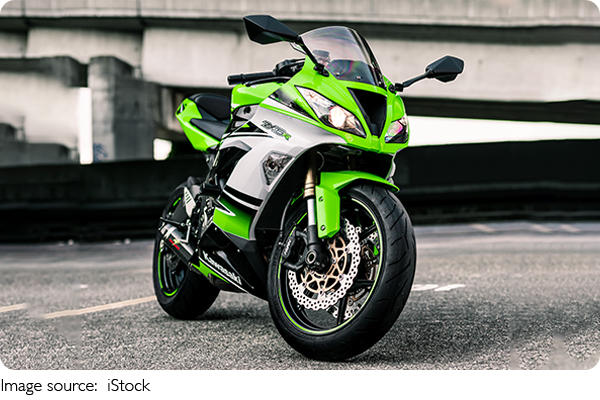
Touring Tires: Built to Last the Miles
Touring tires are the opposite trade-off — harder compounds, deeper tread, and construction that can run 8,000 to 12,000 miles or more before needing replacement.
The deeper grooves channel water efficiently, making them a sensible choice for riders who regularly encounter rain. They're heavier than sport tires, and grip levels at extreme lean angles lag behind, but for highway touring or daily riding over mixed conditions, the durability and wet performance make them the practical pick.
Dual-Sport and Adventure Tires: The Split Decision
This is where things get interesting, because the label covers a wide range. Dual-sport tires come in ratios — 80/20 street, 50/50, or 80/20 off-road — indicating how much of their design is optimized for each surface. An 80/20 street tire handles pavement confidently and shrugs off light gravel, but drops its advantage quickly on deeper dirt or mud.
A 50/50 tire is more of a compromise in both directions — decent on road, capable off-road, exceptional at neither. The choice should come directly from an honest assessment of how much unpaved riding actually happens. Buying an aggressive off-road bias tire for occasional dirt detours means accepting significant noise and wear on the daily commute.
Tread, Compound, and Construction
Two construction types exist: bias-ply and radial. Radial tires use belts running straight across the tread with added steel belts underneath, resulting in softer sidewalls, better heat dissipation at speed, and longer tread life. Bias-ply tires use crisscrossed fiber cords and have stiffer sidewalls — better suited to cruiser-style bikes and spoked wheels, which typically require tubed tires anyway.
Dual-compound tires are worth noting separately: harder rubber in the center for straight-line longevity, softer rubber on the edges for cornering grip. They're a solid middle-ground choice for riders who alternate between highway miles and twisty roads.
When to Replace
The minimum safe tread depth is 1mm, and the easiest check is the penny test — insert a coin into the most worn section of the tread. If the tread doesn't reach a certain depth, it's time. Sidewall cracks, flat spots, or visible cords are automatic replacements regardless of mileage.
Most tires degrade meaningfully beyond five to six years, even with low mileage, as the rubber compound itself breaks down. The date code is molded into the sidewall — four digits, week, and year of manufacture. The right tire isn't the most expensive or the most aggressive. It's the one that matches your routes, your weather, and how hard you actually ride.

Tires do not announce themselves like an exhaust or shine like a new handlebar. They just grip — or fail to. The right set transforms a nervous ride into a confident one, especially in cold rain or late-season corners. Check the tread. Read the date code. Match the compound to your miles, not your ego.
Because when the road throws gravel, standing water, or a sudden stop at you, the only thing keeping you upright is two palm-sized patches of rubber. Choose them carefully.