Drive Smarter Save Fuel

Rafael
| 26-05-2026
 · Automobile team
Small changes in driving habits can have a measurable impact on fuel consumption. Real-world testing suggests that smoother driving may help reduce fuel costs without requiring vehicle modifications.
A real-world test using multiple vehicles on a roughly 60-mile highway route in California showed substantial fuel-economy gains from calmer driving habits. Some vehicles improved fuel economy by more than 30 percent when compared with aggressive driving behavior.
The testing was conducted on the same route using the same vehicles and drivers, with driving behavior serving as the primary variable being evaluated.
The Impact of Driving Behavior
The aggressive driving style included constant lane changes, sharp braking, rapid acceleration, and the mindset of trying to reach a destination as quickly as possible, which is common on busy freeways. The calmer approach focused on maintaining a steady speed, looking farther ahead, avoiding unnecessary lane changes, and using cruise control at a consistent 65 mph. A higher-speed cruising scenario was also evaluated separately.
Aggressive Acceleration Increases Fuel Use
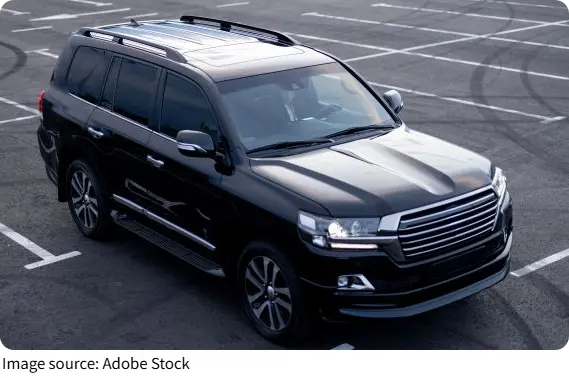
Hard acceleration burns fuel at a rate that can be disproportionate to the time saved. In city driving, rapid starts from traffic lights often consume more fuel while offering minimal travel-time benefits. The solution is not necessarily driving slowly — it is driving more smoothly. Gradual acceleration allows a vehicle to build speed more efficiently.
The same principle applies to braking. Drivers who look farther ahead and coast toward red lights or slowing traffic can reduce unnecessary braking and maintain steadier momentum, potentially using less fuel overall and reducing brake wear.
Higher Speeds Can Reduce Efficiency
For most passenger vehicles, fuel efficiency often performs best at moderate highway speeds. Above that point, aerodynamic drag increases significantly and the engine must work harder to maintain speed.
Small Adjustments Can Add Up
Turning off the engine during extended stops, such as train crossings or long waiting periods, can reduce unnecessary fuel consumption. Many modern vehicles include automatic start/stop systems that perform this function automatically.
Extra weight inside a vehicle can also reduce efficiency. An overloaded trunk filled with tools, sports equipment, or clutter may increase the amount of energy required to move the vehicle. Removing a roof rack when not in use can also reduce aerodynamic drag. Testing also found that roof cargo had measurable effects on fuel economy.
Fuel savings do not always require buying a new vehicle or making expensive modifications. Small behavioral adjustments — smoother acceleration, maintaining steady speeds, reducing unnecessary braking, and minimizing excess drag — can collectively improve efficiency over time while also reducing vehicle wear.
The testing made one thing clear: driving style can have a major impact on fuel economy — sometimes more than drivers expect.