The Case for Hydrogen

Chandan Singh
| 26-05-2026
 · Automobile team
Pump hydrogen into a fuel cell vehicle and it emits nothing from the tailpipe except water vapor.
Refueling takes three to five minutes — closer to a petrol stop than the twenty-minute fast charge of a battery EV. Range is comfortably over 300 miles on most current models.
The Toyota Mirai, the most recognizable hydrogen passenger car on the market, is technically impressive, genuinely pleasant to drive, and produces zero direct emissions. So why does almost nobody own one?
How Hydrogen Fuel Cells Actually Work
A fuel cell vehicle stores hydrogen gas in high-pressure tanks and generates electricity through a chemical reaction between the hydrogen and oxygen drawn from the air. The only byproduct is water. The electricity powers an electric motor, so driving a hydrogen fuel cell car feels similar to driving a battery electric vehicle — quiet, smooth, with instant torque available. The difference is that instead of plugging in to recharge a battery, you stop at a hydrogen station and refuel the tank in minutes, similar to how a petrol car works.
The Hyundai Nexo has a reported range of around 500 miles. The Toyota Mirai's EPA-estimated range sits at 402 miles. Honda's CR-V Hydrogen pairs a fuel cell system with a small battery pack, adding bidirectional charging capability so the vehicle can also function as a backup power source. These are not concept cars — they're in production and available to buy or lease in markets where hydrogen infrastructure exists.
The Infrastructure Problem Is the Whole Problem
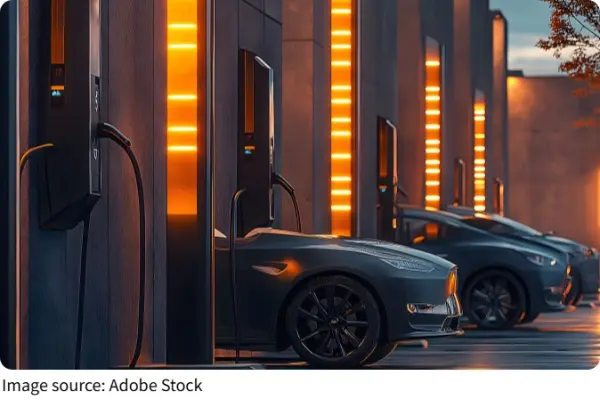
The reason hydrogen passenger vehicles haven't taken off is almost entirely about infrastructure. Hydrogen refueling stations are rare. California, one of the only US markets where the Mirai is actively sold, has been the focal point of hydrogen passenger vehicle infrastructure, and even there the network has been slow and unreliable enough that Toyota has had to offer substantial fuel incentives just to get people to lease the cars.
Globally, hydrogen stations for passenger vehicles remain sparse and concentrated in Japan, parts of South Korea, a handful of European locations, and select spots in California. Outside those areas, hydrogen passenger cars are functionally unusable. This creates a familiar chicken-and-egg problem: automakers won't build cars without stations, station operators won't invest without cars on the road, and consumers won't buy cars without stations. Battery EVs broke through this problem partly because home charging solved the infrastructure gap — hydrogen doesn't have an equivalent answer.
General Motors shut down its HYDROTEC hydrogen fuel cell program, citing high costs. Forecasts from S&P Global Mobility suggest that even by 2037, hydrogen fuel cell vehicles will represent only around 0.22% of the global light vehicle market, while battery EVs are projected to account for over 50%.
Where Hydrogen Is Actually Gaining Ground
While hydrogen is struggling in passenger cars, it's finding a more convincing role in heavy transport. Trucks, buses, and industrial vehicles are where the physics work more favorably. Battery packs heavy enough to power a long-haul truck over hundreds of miles become a significant weight and cost problem. Hydrogen's energy density makes it more competitive at scale and over longer distances.
Toyota has been running hydrogen fuel cell trucks at the Port of Long Beach, where a Tri-gen system converts biogas to hydrogen that powers the vehicles and generates electricity for the facility. Hyundai has been running fuel cell trucks in Switzerland in commercial freight operations. BMW is planning to launch its first series production fuel cell vehicle in 2028, developed in partnership with Toyota, partly to gather real-world operational data on the technology. Toyota's Gen 3 fuel cell system, unveiled in 2025, promises 20% greater efficiency than the previous generation.
The Honest Assessment
For the everyday car buyer in 2025, a hydrogen vehicle is an interesting technology available in very few places to very few people. The cars work well — owners of the Mirai and Nexo consistently report positive driving experiences — but the infrastructure around them doesn't. That's the fundamental challenge hydrogen faces: the technology is ready, but the ecosystem isn't built, and building it is expensive and slow.
The more likely near-term path for hydrogen is as a commercial and industrial energy carrier — powering trucks, buses, ships, and stationary energy systems — while battery EVs continue to dominate personal transportation. Whether hydrogen eventually makes a broader contribution to passenger vehicles will depend on green hydrogen production costs coming down and a serious infrastructure build-out that, so far, has been slower than optimistic projections have suggested.