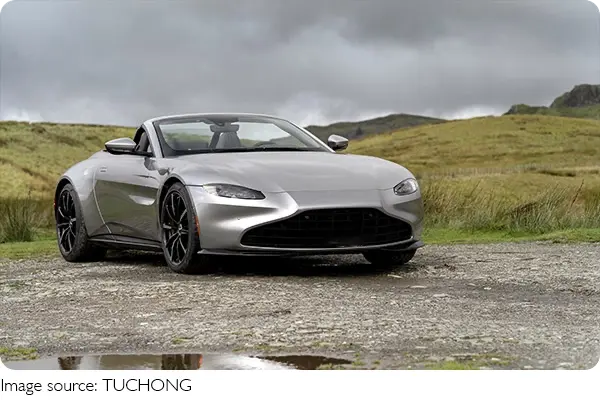
Design Sells the Car

Vivienne
| 26-05-2026
 · Automobile team
People like to think they buy cars rationally — comparing specs, checking safety ratings, running the numbers on fuel costs.
And they do all of that. But according to J.D. Power's 2024 APEAL Study, exterior styling is the single most important factor influencing new car purchase decisions among US consumers, with nearly 65% calling it "very important."
The design gets you first, and the rest follows. Automakers know this, and they invest accordingly.
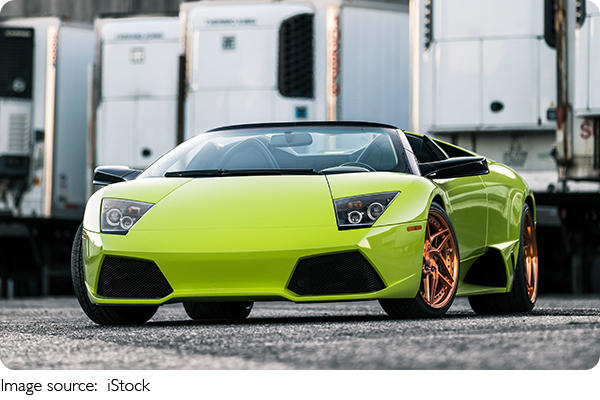
Design as Brand Identity
The most successful car brands use design to communicate something consistent and recognizable across every model they make. Audi's restrained, horizontal emphasis has been one of the most focused design executions of any brand — there's a family resemblance across every car in the range that tells you exactly what you're looking at before you see the badge. BMW's kidney grille, Porsche's rounded fastback profile, Volvo's clean Scandinavian surfacing — these aren't just aesthetic choices, they're branding decisions executed in sheet metal.
When Chris Bangle took over BMW's design direction in the early 2000s, his radical reinterpretation of the brand's visual language provoked genuine controversy. Critics hated it. But the numbers told a different story: global BMW sales increased around 70% between 2000 and 2006. What felt jarring eventually became familiar, and familiar became aspirational. The lesson stuck — bold design, even initially divisive design, can build brand value over time.
Ian Callum's tenure at Jaguar demonstrated something similar. The redesigned F-Type pulled a younger demographic into the brand and contributed to Jaguar seeing a 40% rise in US sales between 2013 and 2016. A well-designed car doesn't just sell itself — it changes who comes into the showroom in the first place.
The Emotional Trigger of Nostalgia
One of the more reliable tools in automotive design is the deliberate callback to an iconic past model. The Ford Bronco's return generated enormous pre-order volumes on the strength of its visual connection to the original. The Volkswagen ID.Buzz references the classic Microbus while packaging it around a modern electric drivetrain. These aren't cynical moves — they work because they tap into genuine emotional connection.
According to a CarGurus survey, 68% of car lessees said they would re-lease from the same brand if the next-generation vehicle maintained a similar look and feel. Continuity in design language builds loyalty because it reduces the anxiety of upgrading — the new version feels familiar enough to be comfortable but different enough to feel like progress.
Interior Design Is Catching Up With Exterior
For a long time, car interiors lagged behind exterior styling as a purchase driver. That's shifting. Deloitte's 2024 Global Automotive Consumer Study found that 46% of millennials said interior design influenced their leasing decision — a figure that's particularly high for EVs, where the interior is often the most differentiated part of the vehicle.
Tesla's approach, driven by Chief Designer Franz von Holzhausen, stripped the interior down to a single large touchscreen and clean surfaces. It was a radical departure from the traditional dashboard covered in buttons and vents, and it communicated something specific: this is a tech company that makes cars. The Model 3 has surpassed 1.5 million global units. The interior design is part of why.
Sustainable materials are becoming a meaningful purchase signal too. Vegan leather, recycled textiles, and natural wood finishes now carry connotations of environmental responsibility that resonate with specific buyer segments who want their choice of material to reflect their values.
Awards Move Units
Design awards have a measurable commercial effect. Vehicles that win the Red Dot Award, World Car Design of the Year, or EyesOn Design typically see sales increases of 10 to 30% in the twelve months following the announcement. Manufacturers use this in lease marketing directly — "Winner of the 2023 Red Dot Award" appears in promotional materials and dealership signage because it works as a shorthand for quality and desirability.
The Hyundai Ioniq 6 won the Red Dot Award. The Kia EV6 won World Car Design of the Year. Both exceeded sales expectations significantly. Design recognition doesn't just validate the car for buyers who already know the award — it creates a signal of legitimacy that filters through to people who simply notice the badge.