Hydrogen vs. EVs

Mukesh Kumar
| 26-05-2026
 · Automobile team
Most people driving today are still running on petrol.
For all the buzz around electric vehicles, only about 7 percent of new car sales last year were actually electric.
That gap is real, and it matters, because it means the race to replace the combustion engine is still very much open. Battery electric vehicles grabbed the early lead, sure, but hydrogen fuel cell vehicles are sitting in the starting blocks with a few tricks up their sleeve. The question isn't really "which one won?" It's more like, "which one are we sleeping on?"
Battery electric vehicles work the way most people imagine: a big lithium-ion battery stores electricity, an electric motor moves the car, and you plug in somewhere to recharge. Tesla, Volkswagen, Ford have all poured billions into this, and it shows. Charging infrastructure has grown fast, and for a lot of everyday drivers, the setup works fine. But battery tech hasn't quite kept up with expectations. Range anxiety is still a thing. Charging still takes way longer than a regular fuel stop, anywhere from 30 minutes on a fast charger to several hours at home. The environmental picture isn't entirely clean either, because mining the lithium, cobalt, and nickel needed for those batteries is messy business, and disposing of old battery packs remains a problem nobody has properly solved yet.
Hydrogen Works Differently
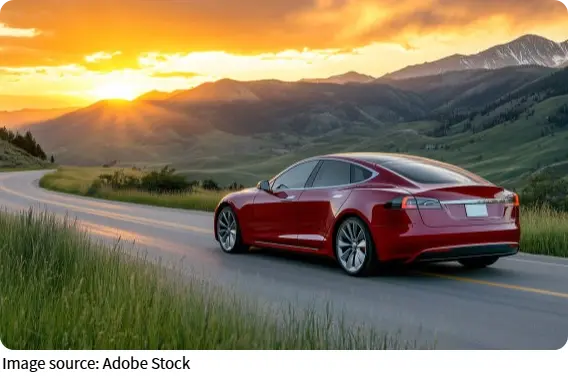
Instead of storing electricity, hydrogen fuel cell vehicles generate it on the go. Hydrogen gas goes through a chemical reaction inside the fuel cell, producing electricity with plain water as the only emission. Refueling takes about five minutes, roughly the same as a regular petrol stop. Range is solid too, often running between 400 and 600 miles on a tank. Toyota's Mirai, Hyundai's Nexo, and Honda's Clarity have all shown the tech can work in the real world.
So Why Isn't Hydrogen Everywhere Yet?
The honest answer is infrastructure. Hydrogen refueling stations are still pretty rare in most parts of the world, which makes owning a fuel cell vehicle a bit like buying a great phone with no signal. On top of that, most hydrogen today is produced using natural gas, which isn't exactly a clean origin story. And the costs of production, storage, and transport remain higher than batteries right now. These aren't fatal problems, but they're real ones.
Where Hydrogen Actually Shines
Hydrogen isn't really trying to be your daily city commuter car. Long-haul trucking, commercial fleets, heavy freight — these are the areas where its quick refueling and high energy density make a genuinely compelling case. Companies like Nikola, Hyundai, and Daimler are already building hydrogen-powered freight trucks. A big rig simply can't wait around for hours to charge on a cross-country route. Hydrogen makes far more practical sense there.
A Winner-Takes-All Race?
Probably not. BEVs will likely keep their edge in the passenger car market where charging infrastructure is already well established. But hydrogen fuel cells look like the better fit for commercial transport and long-distance travel where quick refueling and high energy output matter most. The automotive industry is genuinely at a crossroads, and companies betting everything on just one technology might find themselves in a tough spot if the landscape shifts.
Battery or hydrogen, the era of the combustion engine is ending. The smarter question isn't which technology wins — it's which one fits the job. And increasingly, hydrogen is making a very strong case for a whole lot of jobs nobody thought to ask it about.