Rise of Electric Cars

Santosh Jha
| 29-05-2026
 · Automobile team
Range anxiety, long charging stops, and sky-high prices. One by one, every excuse not to go electric is disappearing.
Electric vehicles are no longer a niche technology reserved for early adopters. They are becoming a major part of the global transportation industry, changing how people think about driving, energy, and the future of mobility.
Pull up to any busy intersection today and count how many electric vehicles pass through. A few years ago, you'd have been waiting a while. Now they're everywhere, and the shift happening underneath the surface of the EV market is even more dramatic than what you can see on the road.
Electric Vehicle Sales Keep Growing
The electric vehicle industry has moved well beyond its early experimental stage and is now reshaping expectations around transportation, from charging times to affordability.
Sales continue to rise worldwide, supported by stronger charging infrastructure, government incentives in many regions, and a growing variety of models at more accessible price points. As battery production expands and manufacturing improves, electric vehicles are gradually becoming more affordable for everyday drivers.
At the same time, consumer interest continues to increase as more people look for alternatives that offer lower maintenance costs, quieter driving experiences, and reduced emissions.
Battery Technology Is Advancing
Batteries currently account for a significant portion of an electric vehicle's total cost, which is why advances in battery technology have such a major impact on affordability and performance. Solid-state batteries are among the most anticipated developments because they offer the potential for higher energy density, faster charging speeds, and improved safety compared to traditional lithium-ion batteries.
As battery production scales and materials become more efficient to source and manufacture, vehicle prices could continue to decline while driving range improves. Researchers and manufacturers are also focusing on extending battery lifespan, which would improve long-term value for drivers and reduce environmental waste from battery replacement.
The combination of affordability, efficiency, and durability is steadily removing many of the concerns that once prevented buyers from considering electric vehicles.
Charging Infrastructure Is Expanding
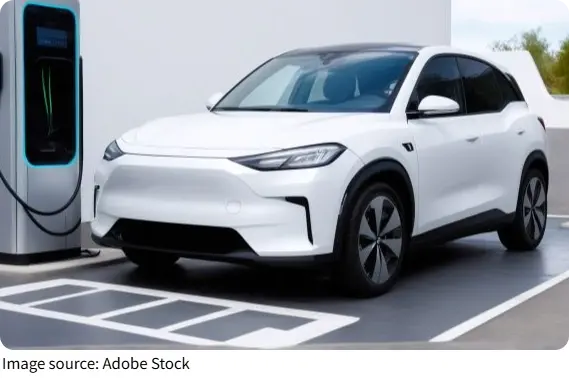
Range anxiety, the fear of running out of charge with nowhere to recharge, was once one of the biggest barriers to electric vehicle adoption. That concern is becoming less significant as charging infrastructure expands rapidly across cities, suburbs, and major highways.
Ultra-fast chargers capable of bringing a vehicle to a high charge level in less than half an hour are becoming increasingly common. Public and private investment in charging infrastructure is also helping make long-distance travel more practical for electric vehicle owners.
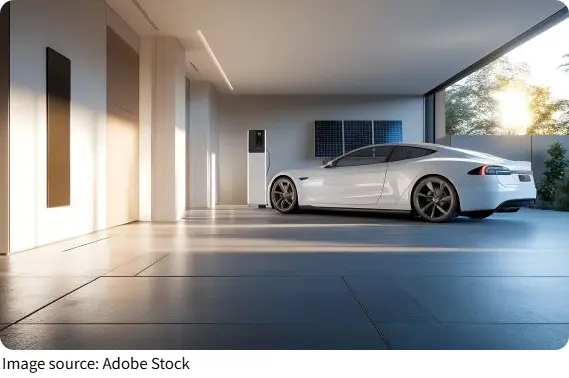
Many modern charging stations are now being integrated with renewable energy sources such as solar and wind power, helping reduce the environmental impact of charging. In addition, bidirectional charging technology is gaining attention because it allows vehicles to both receive and return electricity to the power grid when needed.
This development could eventually turn electric vehicles into mobile energy storage systems that support homes and electrical networks during periods of high demand.
The Driving Experience Feels Different
Beyond environmental and economic benefits, the driving experience itself has become one of the strongest reasons many people choose electric vehicles. Instant torque from electric motors provides smooth and responsive acceleration that feels noticeably different from traditional combustion engines.
Maintenance requirements are often lower because electric vehicles have fewer moving mechanical parts and do not require services such as oil changes. The quieter cabin also creates a more relaxed and comfortable driving experience, especially during longer journeys.
As technology improves, many drivers are discovering that electric vehicles offer not only efficiency but also a more refined and enjoyable driving experience overall.
The transition toward electric transportation is no longer a distant possibility. Improvements in battery technology, charging infrastructure, affordability, and overall driving performance are accelerating the shift toward mainstream electric vehicle adoption.
While challenges such as charging accessibility and infrastructure expansion still remain in some areas, the industry continues to move forward at a rapid pace. For many drivers, the question is no longer whether electric vehicles are practical, but how soon they will become the standard choice for everyday transportation.