Sports Cars: Speed & Style

Nora
| 25-05-2026
 · Automobile team
We often notice it instantly—a low, fast-moving silhouette passing by, drawing attention with its sound, stance, and presence.
But what exactly defines a “sports car”? This article explores the key characteristics that make these vehicles so compelling.
What defines a sports car?
A sports car is designed primarily for performance rather than practicality. Unlike standard passenger vehicles, which prioritize comfort, efficiency, or utility, sports cars emphasize speed, responsiveness, and driving engagement.
They typically feature powerful engines, precise handling, and aerodynamically optimized designs. Every aspect of their engineering is intended to enhance driving dynamics and create a more immersive experience behind the wheel.
Low, light, and performance-focused
Sports cars are generally built lower to the ground, which helps reduce the center of gravity and improves stability during high-speed cornering. This design contributes to better handling and overall driving control.
Many also incorporate lightweight materials such as aluminum or carbon fiber. Reducing weight improves acceleration, braking performance, and agility, all of which are essential to high-performance driving.
Seating and design philosophy
Most sports cars feature two doors and either two seats or a compact 2+2 seating configuration. This layout is not only stylistic but functional, as it supports weight reduction and chassis rigidity.
The design philosophy prioritizes the driver experience, often placing emphasis on performance and handling rather than passenger capacity or cargo space.
Engine performance and powertrains
At the core of every sports car is a performance-oriented powertrain. This may range from turbocharged internal combustion engines to high-output naturally aspirated engines, and increasingly, fully electric systems.
Electric sports cars deliver instant torque and smooth acceleration, while reducing tailpipe emissions during operation. Regardless of configuration, the objective remains consistent: delivering rapid acceleration and high-performance capability.
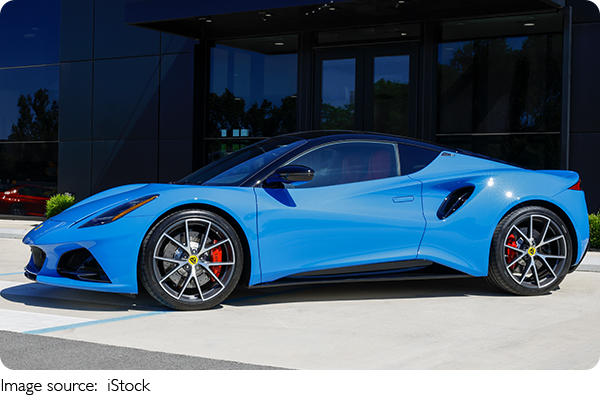
Handling and driving dynamics
Sports cars are engineered to provide precise and responsive handling. Advanced suspension systems, high-performance braking components, and specialized tire compounds work together to maximize grip and control.
This results in a driving experience characterized by immediate steering response and enhanced cornering stability, allowing the vehicle to feel highly connected to the road.
Design and aerodynamics
A key feature of sports cars is their aerodynamic design. Sculpted bodywork, wide stances, and streamlined shapes reduce air resistance and improve high-speed stability.
While aesthetics play an important role, design choices are primarily driven by functional performance requirements. The result is a balance between visual appeal and engineering efficiency.
Sports cars vs. supercars
Although often confused, sports cars and supercars differ in purpose and performance level. Sports cars aim to balance performance with everyday usability, offering excitement without sacrificing practicality.
Supercars, by contrast, represent a higher performance category with extreme power output, higher cost, and more limited practicality. They are typically designed for maximum performance rather than daily use.
Why they remain so desirable
Sports cars are often associated with emotion, aspiration, and personal achievement. The combination of sound, acceleration, and responsiveness creates a uniquely engaging driving experience.
For many enthusiasts, they represent more than transportation—they symbolize freedom, precision, and driving enjoyment.
Key considerations for ownership
Before purchasing a sports car, several practical factors should be considered:
- Higher purchase price compared to standard vehicles
- Increased insurance and maintenance costs
- Limited practicality for rough roads or long-distance comfort
- Generally lower fuel efficiency, though hybrid and electric models are improving this aspect
Despite these considerations, sports cars remain highly desirable for their performance and driving enjoyment.
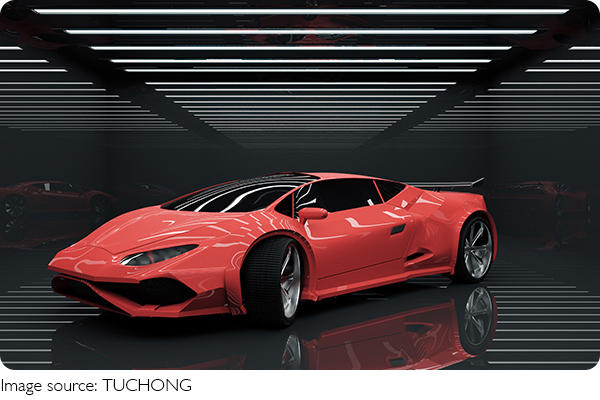
Sports cars continue to stand out in the automotive world for their performance-driven design and emotional appeal. They combine engineering precision with aesthetic design to deliver a distinctive driving experience.
Whether for enthusiasts or aspirational owners, their appeal remains rooted in one idea: the joy of driving.