Calm Rabbit Handling

Liam Reilly
| 25-05-2026
 · Animal team
Hello Lykkers, holding a rabbit may seem simple, but many rabbits feel nervous when lifted too quickly. By understanding their comfort preferences and using gentle handling techniques, we can help them feel safer and more relaxed during daily interaction.
Some may try to move away or show signs of discomfort when picked up. This is completely normal, and it simply means we need to understand their preferences better.
In daily care, building trust is the key foundation. When we approach calmly and respect their pace, we create a safer emotional space. Over time, this helps our little companion feel more relaxed when being held, turning nervous moments into peaceful ones.
Understanding Natural Comfort Preferences
Before we focus on technique, it helps to understand behavior. A small animal like this often prefers staying close to the ground because it feels more stable and secure there. Sudden lifting can create surprise, which may lead to resistance.
We can observe signals such as quick movement, tense posture, or alert eyes. These signs tell us the timing or method may need adjustment. Instead of rushing, slow and predictable actions help build familiarity.
By respecting these natural preferences, we reduce stress and create a smoother experience for both sides.

Gradual Training for Familiar Handling
One of the most effective approaches is gentle, repeated practice. We can begin by simply sitting nearby and allowing the companion to come closer voluntarily. Offering calm presence without sudden movement helps build trust.
Next, short lifting moments can be introduced. These should be very brief at first, followed by immediate return to a safe surface. Over time, the duration can slowly increase as comfort grows.
Consistency is more helpful than intensity. When we repeat calm experiences regularly, the sense of security becomes stronger, and hesitation gradually reduces.
Safe and Supportive Holding Position
When lifting, stability is essential. One hand can gently support the upper body area while the other supports the lower body. This two-point support helps distribute weight evenly and prevents imbalance.
Keeping the body close to our chest also adds a sense of security. Movements should remain smooth and slow, avoiding sudden shifts. The aim is not to restrict, but to provide steady support so the small companion feels balanced.
With practice, this position becomes more natural for both sides, allowing a more relaxed interaction.
Building Trust Through Daily Interaction
Trust does not form in a single moment. It grows through repeated, gentle experiences. Speaking softly, offering calm surroundings, and respecting personal space all contribute to a stronger bond.
We can also observe preferred times for interaction. Some moments of the day may feel more suitable than others, depending on energy levels and mood. Recognizing these patterns helps us connect more effectively.
When handled with patience, the relationship becomes more cooperative and comfortable over time.
Common Misunderstandings to Avoid
A frequent misunderstanding is assuming that quick lifting will help the animal “get used to it faster.” In reality, rushing can lead to more hesitation. Another issue is ignoring comfort signals, which may increase stress.
Instead, we focus on gradual exposure and calm repetition. This approach respects natural instincts while still encouraging gentle adaptation.
Avoiding unnecessary pressure ensures that each interaction remains positive and predictable.
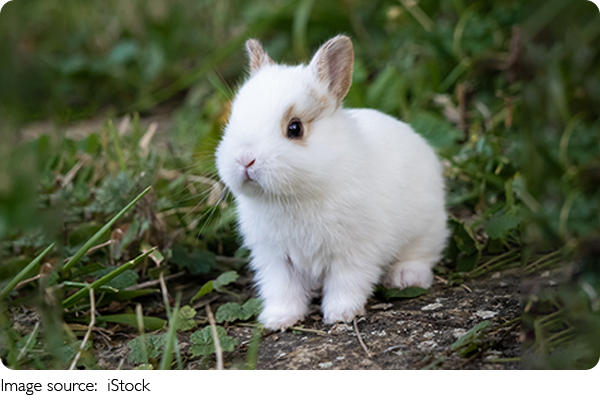
Lykkers, learning to gently lift and hold a rabbit takes patience and understanding. With calm movements, steady support, and daily trust-building, handling can become a peaceful and comfortable experience for both sides. Small, gentle steps today can help create a stronger bond tomorrow.