Look Through The Turn

Pankaj Singh
| 29-05-2026
 · Automobile team
Looking through a turn sounds simple, yet it is one of the most important motorcycle riding habits.
Vision strongly influences balance, steering, posture, and timing. In many situations, the motorcycle naturally follows the rider’s visual focus. When riders stare too close to the front of the motorcycle, corners often feel rushed and uncomfortable.
However, when the rider looks through the curve toward the exit, the road appears smoother and easier to understand. Steering becomes calmer, decisions happen earlier, and the entire turn feels more controlled. Developing this habit can transform nervous cornering into a smoother and more confident riding experience.
Why Vision Controls The Turn
Your Eyes Create The Path
When approaching a turn, the brain needs visual information early enough to react smoothly. If a rider focuses only on the road directly ahead of the front tire, information arrives too late. As a result, the curve may feel tighter, speed may feel less comfortable, and steering corrections may become more frequent.
Looking farther through the turn provides a clearer picture of the road ahead. The rider can better understand the curve shape, exit direction, and available space. This additional information allows smoother steering and more stable control.
A simple practice exercise can demonstrate this effect. Ride through a wide and gentle curve while focusing close to the ground ahead. Then repeat the same curve while turning the head toward the exit. Most riders notice the second attempt feels smoother because the visual focus is farther ahead.
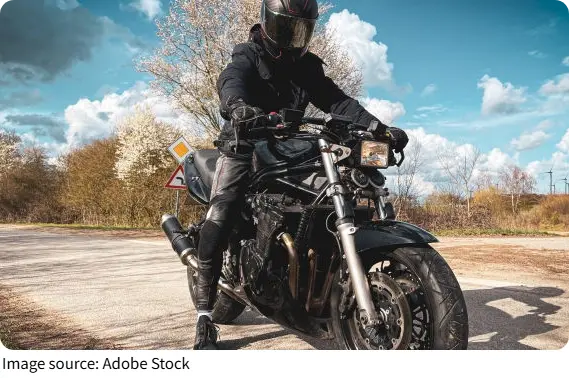
Target Fixation Pulls Riders Off Line
Target fixation occurs when riders stare at something they want to avoid. Road edges, curbs, rough pavement, or other hazards can quickly become the center of attention. In many cases, the motorcycle may gradually drift toward the object being watched.
This happens because body movement and steering input often follow visual focus. When the hazard becomes the primary focus, the rider may unintentionally guide the motorcycle toward it.
The safer approach is to identify the hazard briefly, then immediately return visual attention to the intended riding path. Riders should focus on where they want the motorcycle to go rather than on the obstacle itself.
A useful mental reminder is: “hazard noted, path chosen.” This helps maintain attention on the safest direction through the turn.
Head Position Improves Visual Control
Looking through a turn involves more than moving the eyes sideways. The rider’s head should rotate naturally toward the direction of travel. When the helmet points toward the turn exit, vision expands and body alignment becomes smoother.
If the eyes glance toward the exit while the head remains forward, upper-body tension may increase. This can lead to stiff shoulders, tight arms, and less natural steering input.
Before entering a curve, riders should turn the head early enough to clearly see the road ahead. During the turn, vision should continue moving smoothly through the curve and toward the exit. This creates steady visual flow and reduces late reactions.
How To Practice The Technique Safely
Start With Wide And Gentle Curves
This technique should first be practiced in calm and low-pressure environments. Wide curves with good visibility provide the best conditions for learning proper visual habits.
Approach the turn at a comfortable speed. Briefly observe the entry point, then move visual focus toward the middle of the curve. As the motorcycle leans, continue shifting vision toward the exit.
At first, this process may feel unnatural because many riders instinctively watch the area directly in front of the motorcycle. However, near vision often reduces smoothness and increases tension. With practice, the brain gradually becomes more comfortable using farther visual reference points.
A helpful practice sequence is: “entry, middle, exit.” Repeating this mentally encourages continuous visual movement through the curve.
Keep Arms Relaxed And Steering Smooth
Good visual habits work best when the rider’s body remains relaxed. Locked arms and tense shoulders can interfere with smooth steering, even when vision is correct.
Riders should maintain soft elbows, relaxed shoulders, and a light grip on the handlebars. Steering input should remain calm and controlled rather than forceful.
If the motorcycle feels unstable during a turn, riders should quickly check their body posture. Stiff wrists, held breath, and excessive focus on road edges often increase tension. Relaxing the arms and returning visual focus to the exit can restore smoother control.
Many cornering problems are caused not by the road itself, but by tense reactions to the road.
Read The Curve Early
Looking through the turn also improves planning and decision-making. Riders can identify whether the curve tightens, opens, rises, drops, or contains surface changes.
Before entering the turn, it is important to scan for road shape, surface condition, gravel, shadows, moisture, traffic, and available escape space. This helps riders choose a safe and comfortable entry speed.
Visual technique does not replace proper speed judgment. Instead, it supports better decisions by providing earlier information.
If the turn exit is not visible, riders should remain conservative and avoid guessing what lies ahead. Smooth riding depends on matching speed to visible distance.
A useful principle is to ride according to the visible road rather than the imagined road. As more of the curve becomes visible, riders can adjust their plan safely and smoothly.
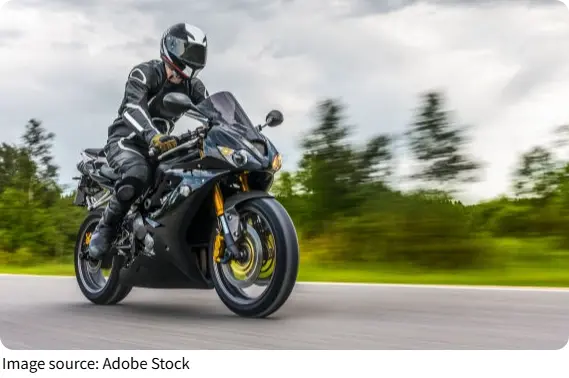
Looking through the turn is a simple habit that can significantly improve motorcycle control and confidence. By lifting visual focus, rotating the head naturally, avoiding target fixation, and maintaining relaxed body posture, riders can navigate corners with greater smoothness and stability.
Consistent practice in safe conditions helps this technique become automatic over time. Once developed, the habit makes turns feel calmer, more predictable, and far more natural.