Lauca Above Clouds

Arjun
| 01-10-2026
 · Travel team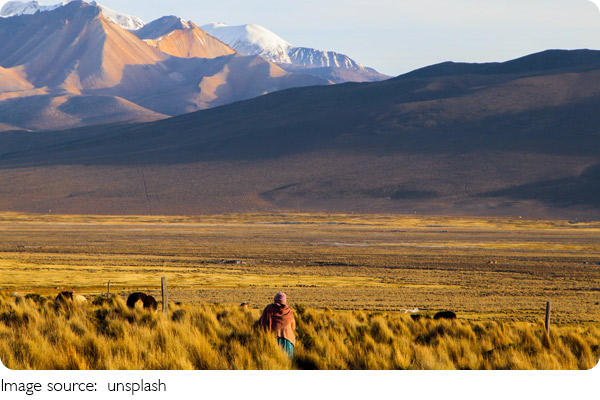
Putre and Lauca National Park sit high enough to make every decision matter. This is not a quick lowland sightseeing loop; it is an altiplano journey of thin air, bright lakes, volcanic skylines, and small villages where the pace must slow down.
With the right budget, transport, and altitude plan, the route becomes one of northern Chile's most memorable mountain experiences.
Why Putre
Putre is the practical base because it sits around 3,500 meters above sea level, lower than the highest park stops but close enough for day trips. Staying here gives the body time to adjust before Lago Chungara and the Cotacotani lagoons, which sit above 4,500 meters. That overnight pause is more than comfort; it is good route planning.
The village also keeps costs simpler than basing everything in Arica. Basic guesthouses in Putre often range from CLP 35,000 to CLP 65,000 per night, about $37 to $68, while more comfortable lodge-style rooms can reach CLP 80,000 to CLP 120,000, about $84 to $126. Book ahead in dry-season weekends, when rooms disappear quickly.
Getting There
Most visitors start in Arica, the coastal gateway with the closest major transport links. Public buses or shared vans to Putre are limited but cheap, often reported around CLP 5,000 to CLP 10,000, about $5 to $11, depending on operator and schedule. The ride usually takes 3 to 4 hours, and daytime travel is better because the road climbs steadily.
Private transfers cost far more but solve timing problems. Expect roughly CLP 120,000 to CLP 180,000, about $126 to $189, for a vehicle transfer depending on season, group size, and pickup point. For travelers short on time, a guided day tour from Arica to Lauca commonly runs $65 to $120 per person, while private tours can exceed $250 per vehicle.
Park Basics
CONAF, Chile's protected-area agency, lists Lauca National Park as a managed public reserve, and recent visitor information commonly shows park entry as free. Even when entry costs nothing, the real expense is transport, fuel, food, and altitude-ready timing. Carry cash in Chilean pesos because small villages and remote stops may not handle cards reliably.
Opening access can vary by sector, weather, and road conditions, so check CONAF updates before leaving Putre. Lago Chungara and Cotacotani are the headline stops, but the route itself is part of the experience: viewpoints, lava-shaped hills, small settlements, and wide altiplano plains make the drive feel like a slow scenic corridor rather than simple transit.
Route Plan
A gentle plan starts with Putre village on arrival day, then a second-day loop toward Parinacota, Cotacotani, and Lago Chungara. Leave around 7:30 to 8:30 a.m. to catch clear light and give the body time to respond to elevation changes. Pack at least 2 liters of water per person, sun protection, layers, and snacks bought before departure.
Altitude is the main challenge. Avoid heavy meals before the highest viewpoints, walk slowly, and keep the first day calm. If headache or nausea grows worse, descend rather than pushing onward. Travelers renting a car should choose a reliable vehicle and check fuel carefully; fuel in Putre is limited, and filling in Arica before climbing is the safer choice.
Village Stops
Parinacota is the classic village stop near the park, with adobe walls, quiet lanes, and sweeping views toward volcanic cones. Keep the visit respectful and low-key because this is not a staged resort village. A short walk and a simple photo stop may be enough before continuing toward Cotacotani and Lago Chungara, where the highland setting opens fully.
Dining in Putre is modest but manageable. Plan CLP 6,000 to CLP 10,000, about $6 to $11, for a simple lunch, and CLP 10,000 to CLP 18,000, about $11 to $19, for dinner. Buying water, fruit, and packaged snacks in Arica is usually cheaper than relying on small highland shops, where selection can be limited.
Fauna Tips
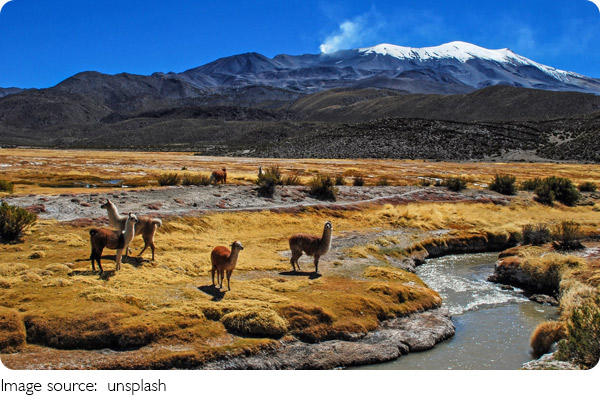
Lauca is famous for native highland fauna, especially camelids grazing across the open plains. The safest way to enjoy them is from a distance, without stepping off marked areas or blocking roads for photos. Dawn and late afternoon often bring the best viewing conditions, but do not rush the route just for sightings; altitude and road safety matter more.
Photography is easiest with a longer lens because the landscape is wide and the camelids keep distance. A phone still works well for village scenes, lake reflections, and volcanic silhouettes. Expect strong glare near the water and bring sunglasses. The altiplano can feel cold even under intense sun, so a wind layer belongs in every daypack.
Final Height
Putre and Lauca reward travelers who respect height, distance, and slow movement. The park may be free to enter, but the real investment is in transport, pacing, layers, and enough time to enjoy the lakes without strain. Would this altiplano route feel better as a careful overnight from Putre, or as a guided day trip from Arica with the logistics handled?