Langtang Remote High

Chandan Singh
| 01-10-2026
 · Travel team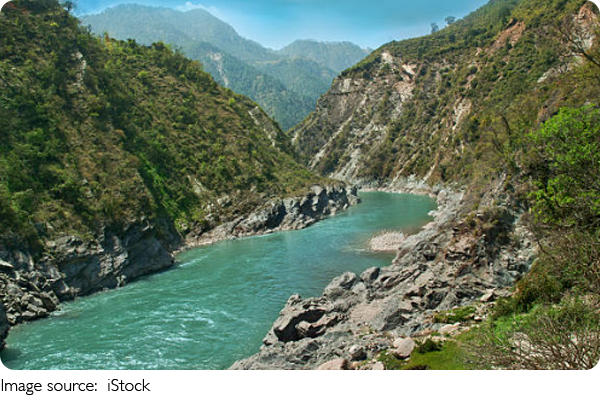
Friends, Langtangjiang Chenpo is a remote Himalayan dream best approached through the Langtang Valley trail system, where river valleys, forested slopes, and high viewpoints slowly build toward big mountain views.
The name appears in trekking research alongside Gangchenpo-style peak viewpoints, so the practical route is less about one roadside attraction and more about reaching the upper valley safely, affordably, and with enough time.
Route Reality
The standard approach starts in Kathmandu and follows road transport to Syabrubesi, the usual trailhead for Langtang Valley treks. From there, most walkers take 6 to 8 days for a return route, depending on altitude pace, rest time, and side walks near Kyanjin village. Rushing this area usually makes the trip less enjoyable and less comfortable.
The valley route follows the Langtang Khola, climbing through settlements and mountain terrain before reaching higher viewpoints. Travelers aiming for peak panoramas often add Kyanjin Ri or Tsergo Ri, both of which require early starts and steady pacing. These viewpoints are where the best broad looks toward the surrounding high summits usually appear.
Permit Costs
Budgeting begins with permits. Current Nepal trekking guidance commonly lists the Langtang National Park entry fee at NPR 3,000, about $22, for foreign visitors. A TIMS card, where required through the current system or agency process, is often planned around NPR 2,000, about $15. Carry passport copies and cash because local processing can be inconsistent.
Permits are not the largest cost, but they are the first cost to settle correctly. Travelers booking through an agency may see these charges included in a package, while independent trekkers may pay them separately before or near the route. Always confirm the latest rule before departure because permit systems in Nepal can change by route and season.
Trail Budget
A realistic independent trekking budget is around $25 to $45 per day once on the trail, excluding permits and Kathmandu transport. Basic rooms in teahouses often cost $5 to $12 when meals are taken at the same lodge. Meals become pricier with altitude, so plan $4 to $8 for breakfast, $5 to $10 for lunch, and $6 to $12 for dinner.
Hot drinks and charging add up. Tea or coffee may cost $1.50 to $4, device charging can run $2 to $5, and hot showers often cost $3 to $6 where available. A refill or treated-water plan is cheaper than buying bottled water repeatedly, though purification tablets or filters should be packed before leaving Kathmandu.
Getting There
Kathmandu to Syabrubesi is the first long push. Public buses commonly cost around NPR 1,000 to NPR 1,800, about $7 to $13, and can take 7 to 9 hours depending on road conditions. Shared jeeps are faster and more comfortable, often around NPR 2,500 to NPR 4,000 per seat, about $18 to $29.
Private jeeps are the expensive but flexible option, usually around $180 to $250 per vehicle one way. That can make sense for groups, tight schedules, or travelers carrying extra gear. Build an extra day into the plan because mountain roads are vulnerable to delays, and missing a trail day is easier to fix than missing an international connection.
Guides
Independent trekking rules and local requirements can shift, so many travelers hire support even on well-known routes. A licensed guide commonly costs $25 to $40 per day, while a porter often costs $20 to $30 per day, before tips. Agency packages can range from $550 to $950 for a week, depending on services, transport, lodging level, and group size.
Support is not only about navigation. A good guide helps with lodge choices, altitude pacing, local updates, and backup plans if weather or health changes the route. For remote trail goals around Langtangjiang Chenpo views, that judgment can be worth more than the daily fee, especially for travelers with limited Himalayan trekking experience.
Stay Plan
Kathmandu stays before and after the trek can be kept modest. Budget guesthouses often start around $18 to $35 per night, while cleaner midrange hotels run $45 to $90. On the trail, expect simple rooms, shared facilities, and colder nights as elevation rises. A warm sleeping bag or rented liner is worth the small extra cost.
Pack for layers rather than bulk. A down jacket rental in Kathmandu commonly costs around $1 to $2 per day, trekking poles $1 to $2 per day, and sleeping bags around $1 to $3 per day. Buying every item new is unnecessary for a one-time trek, but footwear should be tested before leaving the city.
Remove this text area
Final Valley
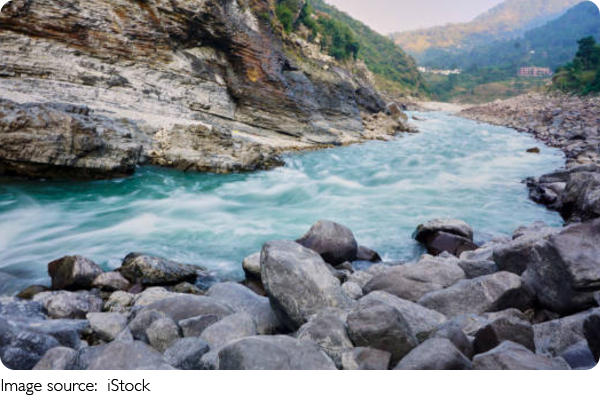
Langtangjiang Chenpo travel is best understood as a patient valley journey toward high Himalayan viewpoints, not a quick peak visit. The main costs are permits, transport, food, lodging, and support, while the main reward is the slow reveal of river valleys and mountain walls. Would this remote route feel more meaningful with a guide-led itinerary, or as a careful independent trek with extra buffer days?