Black-headed Gull
Finnegan Flynn
| 09-05-2026
 · Animal team
A sudden flick of wings over water, a quick turn, then a soft landing near the shore.
The Chroicocephalus ridibundus—more commonly known as the black-headed gull—moves through coastal spaces with a kind of effortless rhythm. It's one of those birds that blends into everyday scenery so well that people often recognize it before they know its name.
There's a familiar presence to it, especially around lakes, rivers, and seaside areas. It doesn't feel distant or rare—it feels like part of the environment itself.
How to recognize it
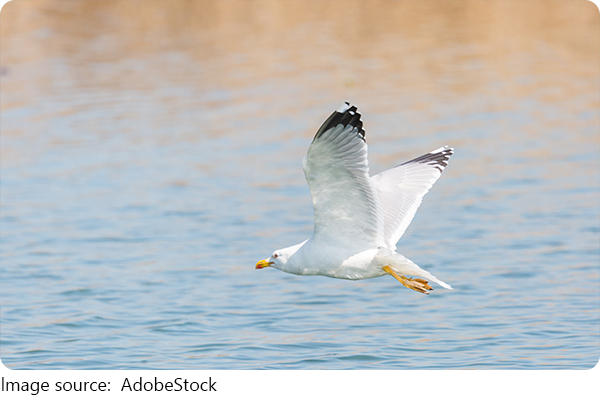
The most noticeable feature of the black-headed gull is its head pattern. During breeding periods, it develops a dark brownish head that looks almost like a hood. Outside of that period, the head becomes much lighter, leaving behind subtle markings that are still distinctive if you look closely. The body is usually white with soft grey on the wings. When it flies, the contrast between wing tips and body makes it easy to spot, especially against open water or sky. Its size is relatively small compared to larger coastal birds, which gives it a light and agile appearance in flight.
Where it usually appears
This gull is highly adaptable, which is why it can be found in so many different environments. Coastal areas are common, but it also appears around inland lakes, rivers, and even urban water spaces.
It often follows areas where food is easy to find, adjusting its location depending on season and availability. This flexibility is one of the reasons it has become so widespread across different regions. Early morning and late afternoon are often the most active periods, when movement around water increases.
Movement and feeding behavior
In flight, the black-headed gull is quick and responsive. It can change direction smoothly, hover briefly, and land with precision. Its wingbeats are steady, giving it a controlled but light appearance in the air. Feeding behavior is equally adaptable. It often picks food from water surfaces, shorelines, or shallow areas. It can also be seen following fishing activity or gathering in groups where food sources are present. This opportunistic feeding style helps it survive in both natural and human-influenced environments.
Social patterns and group life
Black-headed gulls are social birds. They often gather in flocks, especially in feeding areas or resting sites. These groups can range from small clusters to large gatherings depending on conditions.
Within these groups, movement is loosely coordinated. There is no strict structure, but individuals tend to follow general patterns of flight and landing, creating a flowing group dynamic. Communication happens through calls and body movements, especially during interaction or when alerting others to changes in surroundings.
Seasonal changes in appearance
One of the most interesting aspects of this species is how its appearance changes with seasons. The dark head marking is most visible during breeding periods, while outside of that time, the plumage becomes more uniform and subtle. These changes are not just visual—they reflect different phases of behavior, including nesting and movement patterns. Even without focusing on detail, these seasonal shifts make the bird feel slightly different depending on when it is observed.
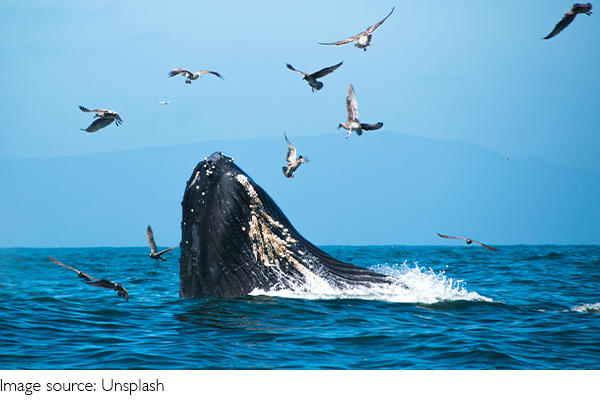
Despite being common in many areas, the black-headed gull is easy to overlook because it blends into everyday environments. It's not rare or hidden—it's simply part of the background of water landscapes. But once noticed, its movement and behavior feel surprisingly expressive. There's a balance between routine and liveliness that makes it quietly interesting to watch.
In the end, it's one of those species that doesn't demand attention, yet becomes more noticeable the longer you observe it.