Saving Sea Turtles Today

Mukesh Kumar
| 09-05-2026
 · Animal team
Watching a sea turtle glide gracefully through turquoise waters is a moment that feels timeless. Yet, these gentle creatures face mounting threats—from habitat loss to accidental entanglement in fishing gear.
Around the world, efforts are underway to ensure sea turtles not only survive but thrive. Understanding these measures shows how humans can make a real difference.
Protecting Nesting Beaches
Beach monitoring programs
Conservation groups patrol nesting beaches during the breeding season, recording nests and protecting eggs from predators and human interference.
Habitat restoration
Eroded or polluted beaches are restored with sand replenishment and cleanup efforts, creating safe zones for turtle nesting.
Actionable step: Support or volunteer with local beach conservation programs. Even helping with simple sand cleanups can improve nesting conditions.
Reducing Bycatch in Fisheries
Modified fishing gear
Using turtle excluder devices (TEDs) in trawl nets allows sea turtles to escape while retaining fish, significantly lowering accidental capture rates.
Time and area restrictions
Fishing in high-density turtle areas is restricted during nesting and hatching seasons to reduce encounters with vulnerable turtles.
Actionable step: Choose sustainably sourced seafood certified by trusted organizations. Your purchasing decisions help encourage fisheries to adopt turtle-safe practices.

Addressing Marine Pollution
Plastic reduction campaigns
Sea turtles often mistake floating plastics for jellyfish, leading to ingestion that can be fatal. Reducing plastic use and participating in coastal cleanups directly lowers this risk.
Promoting responsible waste disposal
Educating communities and enforcing litter regulations helps prevent debris from reaching oceans.
Actionable step: Carry reusable items like bottles, bags, and utensils. Participate in beach or river cleanups to remove harmful debris.
Rehabilitation and Rescue Centers
Medical treatment for injured turtles
Rescue centers treat turtles caught in nets, struck by boats, or affected by disease, providing care until they can return to the wild.
Hatchling programs
Some centers raise hatchlings in controlled environments before releasing them, increasing survival rates during the critical first weeks.
Actionable step: Support local wildlife rehabilitation centers through donations or volunteering. Your help can directly fund medical care and release programs.
Community Education and Awareness
Informing the public
Education campaigns teach coastal communities and tourists how to avoid disturbing nesting turtles and to reduce threats from lighting or beach traffic.
Promoting responsible tourism
Guidelines for observing sea turtles without interfering with their natural behaviors protect both animals and their habitats.
Actionable step: If visiting coastal areas, follow local turtle-friendly guidelines: avoid bright lights on nesting beaches, keep a safe distance, and never take eggs or hatchlings.
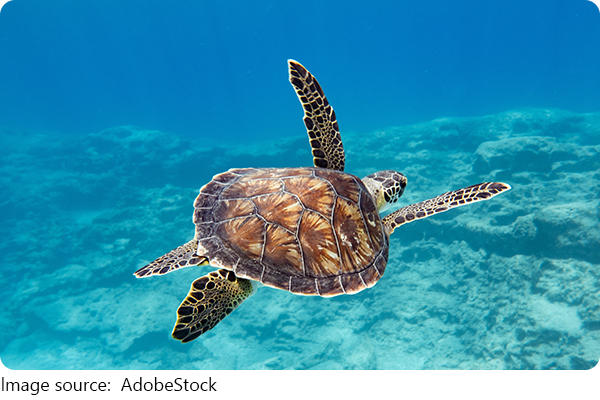
Efforts to protect sea turtles combine science, community action, and personal responsibility. By safeguarding nesting beaches, reducing bycatch, minimizing pollution, supporting rescue centers, and spreading awareness, we give these remarkable animals a chance to flourish. Each step, no matter how small, contributes to the survival of a species that has existed for over 100 million years. Taking action today ensures future generations can witness the serene beauty of sea turtles in the wild.