Umbria's Quiet Hilltop

Pankaj Singh
| 01-10-2026
 · Travel team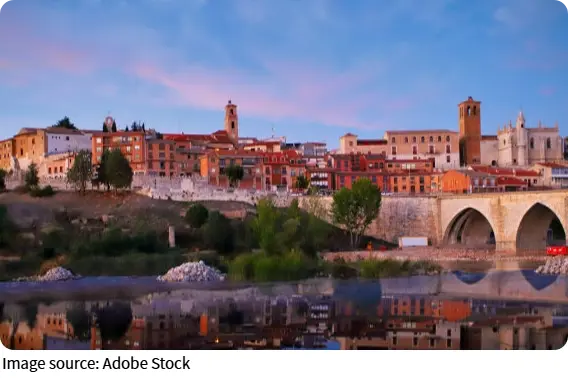
Lykkers, while the famous cities of Italy draw millions of visitors, the true charm of the country often hides in its quiet hilltop villages. Monteleone d'Orvieto, located in the province of Terni within the lush region of Umbria, is a perfect example of this quiet magic.
Constructed from striking red brick rather than the typical grey stone, the village sits elevated above the Chiana Valley, offering sweeping, uninterrupted views of the surrounding countryside. For travelers seeking an authentic, slow-paced Italian experience away from massive tour groups, this medieval gem delivers beautifully.
Getting there
Regional trains from Rome Termini to Terni take 1h15–1h35 and cost about $12–$16 one way. From Perugia, expect ~1h30 with a change (~$10–$15). Terni’s compact center is walkable; local buses to outlying sights are ~$1.50–$2 per ride (buy tickets at tabacchi). Taxis start near the station; typical cross-town fares are $9–$15.
Where to stay
City-center guesthouses and modern business hotels cluster around Corso Tacito and the station: budget rooms $70–$110, solid mid-range $120–$180, boutique $190–$260. Look for parking included if you’ll day-trip by car, and ask for a top-floor room—Umbrian sunsets are special. Many places include a light breakfast; otherwise, café sets with pastry and coffee run $4–$6.
Marmore Falls
Cascata delle Marmore (10 km from Terni) is the world’s tallest engineered waterfall, thundering when gates open. Entry is ~$9–$12, ~$6–$8 children; parking ~$4–$6. Water release times vary by season, often late morning and mid-afternoon—arrive 30 minutes early for the most dramatic surge. Allow 1.5–2 hours to hike signed trails (bring grippy shoes; mist makes steps slick).
Nera River Park
The Parco Fluviale del Nera frames the river with bike paths, chestnut woods, and cliff views. Rent a bike in Marmore village for ~$12–$18 half-day and follow riverside lanes to Collestatte or Castel di Lago for scenic photo stops. Pack water; fountains are sparse between hamlets. Spring and early fall offer soft light and mild temps for longer rides.
Ancient Carsulae
Twenty minutes north, Carsulae unveils streets, arches, baths, and a theater from a Roman settlement on the Via Flaminia. Entry is usually ~$5–$7; guided visits add ~$4. Plan 60–90 minutes. The small on-site museum contextualizes daily life with ceramics and inscriptions. Tip: go early in summer—there’s little shade—and wear sturdy footwear for uneven basalt blocks.
Ancient Carsulae
Twenty minutes north, Carsulae unveils streets, arches, baths, and a theater from a Roman settlement on the Via Flaminia. Entry is usually ~$5–$7; guided visits add ~$4. Plan 60–90 minutes. The small on-site museum contextualizes daily life with ceramics and inscriptions. Tip: go early in summer—there’s little shade—and wear sturdy footwear for uneven basalt blocks.
Landmark facades
Terni’s historic center blends Renaissance and later stonework. Two standout facades sit near each other: an ornate, colonnaded monumental building on Piazza della Repubblica, and the striking porticoed frontage on Piazza Duomo. Step inside during open hours to view paintings and marble details—free or a symbolic ~$2 maintenance donation. Dress comfortably; shoulders covered is appreciated.
Roman Amphitheater
A short stroll from Piazza Duomo, the oval amphitheater preserves segments of seating and outer walls. Access is often free; occasional performances (music, theater) sell out fast, with tickets ~$10–$20. Elevated walkways provide safe viewpoints for photos. Visit at golden hour when stone glows and crowds thin.
La Passeggiata
Giardini Pubblici “La Passeggiata” links major sights with shady paths and lawns. Ideal for a midday reset: grab a panino, fruit, and sparkling water ($7–$10 total) from a nearby alimentari and picnic under the plane trees. Families will find seasonal rides and small play areas; public restrooms are near the main entrance.
Piediluco Lake
Half an hour east, Lago di Piediluco is all mirror-calm water and wooded hills. Stroll the promenade on Corso Quattro Novembre, then take the lakeside trail for wide-angle views. Seasonal boat tours last ~45 minutes (~$10–$14). Cafés serve lake-view lunches with fresh pasta, salads, and grilled lake fish (mains $12–$20). Sunset is quietly spectacular.
Tiber River Park
South-east of Terni, the Parco Fluviale del Tevere near Lago di Corbara rewards day-trippers with wetlands, hill viewpoints, and easy loop trails. No entry fee; pay only to park ($3–$5). Bring binoculars for gentle wildlife watching along the reeds. Stop at trailhead boards for route times (30–120 minutes) and elevation notes.
Food to try
Umbria excels at simple flavors. Look for strangozzi pasta with truffle or tomato, chickpea soups, grilled vegetables, and cheese plates with local honey. For a relaxed lunch, a panini shop near Corso Vecchio builds warm focaccia sandwiches to order ($6–$9). Sweet tooth? Pastry counters do perfect cornetti and seasonal cakes ($2–$5). Gelato after dinner is a must ($3–$4).
Easy cafés
Need a pause? Central coffee shops offer affordable sets—espresso or cappuccino with a pastry for under $6. A modern spot by the theater district is known for fresh croissants, fruit tarts, and friendly service; a window seat is ideal for people-watching on Corso Vecchio.
Day trip: Spoleto
Trains to Spoleto take ~30 minutes (~$4–$6). Plan three hours to wander its stone lanes, a hilltop fortress, and an elegant bridge-viewpoint. Comfortable shoes are essential; streets are steep. Return trains run into evening—check the schedule before you linger over gelato in the main square.
Riverside walks
Follow the Nera’s signed footpaths inside Terni for a calm, car-free hour. Start near Ponte Romano and walk upstream; benches dot the route for scenic breaks. Morning light is softest and temperatures coolest. These paths link well with La Passeggiata for a loop ending back in the old town.
Smart timing
Peak heat (13:00–16:00) is best spent indoors—museum, lunch, or a gelato break—then head to parks and ruins when shadows lengthen. Most kitchens reopen for dinner around 19:30; early birds can find casual spots serving all day. Many sites close one weekday afternoon; a quick check the night before avoids surprises.
Final Thoughts
Monteleone d'Orvieto represents the soul of slow travel. It does not ask you to rush between landmarks or stand in long lines. Instead, it invites you to admire the architecture, appreciate the stunning valley views, and enjoy excellent food in a peaceful setting. By securing a rental car or taking a short train ride, you can easily step back in time and experience the authentic, quiet beauty of the Umbrian countryside.