Creative Homemade Burgers

Maya
| 28-05-2026
 · Cate team
There’s something undeniably satisfying about biting into a burger you’ve crafted yourself. The best part is having control over every ingredient, layer, and flavor.
A homemade burger can be simple or inventive, and with a few thoughtful techniques, we can create a meal that is juicy, balanced, and visually appealing.
Selecting the Base
Choosing the right bun or base sets the stage for the entire burger experience.
Buns
Opt for soft sandwich rolls, brioche, or whole-grain buns. Lightly toast them to prevent sogginess while adding a subtle crunch
Lettuce Wrap
For a lighter, low-carb option, large lettuce leaves can replace buns. They provide crispness and a fresh contrast to rich fillings.
Alternative Bases
Consider portobello mushrooms or grilled eggplant slices as unique foundations for a vegetarian twist.
Example: Toast a brioche bun until golden, then lightly butter the inside for added richness.
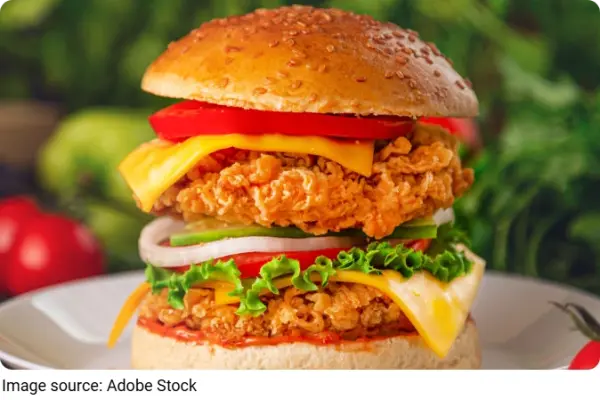
Preparing the Filling
The filling is where flavor and texture come alive. Layering thoughtfully ensures a balanced bite.
Plant-Based Patties
Chickpea, lentil, or veggie patties can be seasoned with herbs, spices, and breadcrumbs. Cook until golden brown on both sides for a firm yet tender texture.
Cheese
Slices of cheddar, mozzarella, or a melting cheese of choice add creaminess. Place cheese on the patty in the last minute of cooking to allow it to melt perfectly.
Vegetables
Fresh tomatoes, avocado slices, pickles, and onions provide crunch and freshness. Example: stack tomato slices and thinly sliced red onion for a vibrant layer.
Step-by-Step Assembly
Creating a burger that holds together while remaining flavorful requires a simple sequence. Lay down the base (bun or alternative) and lightly spread condiments like mustard, mayo, or hummus.
Place the patty carefully, adding cheese if desired. Layer vegetables evenly, ensuring textures contrast. For instance, creamy avocado over crisp lettuce. Add sauces or spreads sparingly on the top layer to avoid slippage. Cap with the top bun or lettuce wrap and press lightly to secure.
Creative Flavor Boosters
Adding small flavor touches can elevate a homemade burger from ordinary to memorable.
Herbs & Spices
Mix rosemary, smoked paprika, or garlic powder into the patty for depth.
Pickled Elements
Quick-pickled cucumbers, carrots, or red onions add tang and crunch.
Layered Sauces
Combine flavors like yogurt-based dressings, pesto, or spicy aioli for contrast. Example: smear pesto under the patty and yogurt sauce over the veggies for layered flavor.
Cooking Techniques for Perfection
How you cook the patty affects the final texture and juiciness.
Pan-Searing
Heat a nonstick skillet, add a small amount of oil, and cook patties over medium-high heat. Sear both sides until golden brown and cooked through.
Grilling
Grill patties on medium heat for smoky flavor. Ensure even cooking by flipping halfway.
Baking
For plant-based patties or thicker options, bake in the oven at 375°F for 15–20 minutes, flipping once for even heat distribution.
Serving Tips
Presentation and small touches enhance the burger experience.
Layer Neatly
Keep ingredients aligned so every bite delivers balanced flavors.
Side Pairings
Pair with sweet potato fries, roasted vegetables, or a small salad for a complete meal.
Garnish Thoughtfully
A sprinkle of sesame seeds on the top bun or fresh herbs adds visual appeal and aroma.

Homemade burgers are more than just a quick meal—they are a fun way to explore different flavors, textures, and ingredients in your own style. By choosing fresh fillings, balanced toppings, and simple cooking methods, we can create burgers that feel both satisfying and creative. Whether kept classic or made with unique twists, homemade burgers turn everyday cooking into an enjoyable and flavorful experience.