The Art of Espresso

Simone
| 07-04-2026
 · Cate team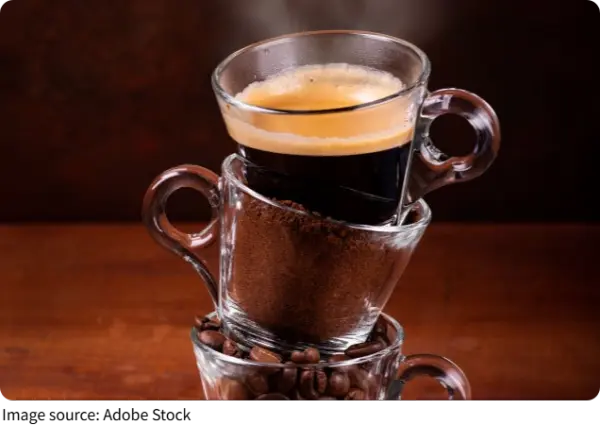
Espresso, the heart and soul of many beloved coffee beverages, has earned its place in the daily routines of coffee lovers worldwide. It's a concentrated form of coffee that offers a robust flavor, a caffeine kick, and the base for many popular drinks like lattes, cappuccinos, and Americanos.
But what makes espresso so special? Let's explore the art of brewing the perfect espresso and dive into the details that make this little shot of magic a global favorite.
1. What is Espresso?
Espresso is a method of brewing coffee where hot water is forced through finely-ground coffee beans under high pressure. The result is a small, concentrated shot of coffee that is rich, full of flavor, and packed with caffeine. Unlike drip coffee, which uses gravity to extract the coffee, espresso relies on pressure to extract oils, flavors, and compounds that give it its distinct taste and creamy texture. Typically served in small amounts, espresso is the base for many other coffee drinks, but it is also enjoyed on its own.
2. The Brewing Process: Perfecting the Shot
To create the perfect espresso, a few key factors must be considered:
- Fresh Coffee Beans: Always use freshly ground coffee beans for the best flavor. Ideally, espresso beans should be ground just before brewing to preserve their freshness.
- Grind Size: The grind should be fine, almost like powdered sugar. Too coarse a grind will result in a weak shot, while too fine will lead to over-extraction and bitterness.
- Water Temperature: The water temperature should be around 190-200°F (88-93°C). If it's too hot, it will burn the coffee, and if it's too cold, it won't extract the flavors properly.
- Pressure: Espresso machines use about 9 bars of pressure to force the water through the coffee grounds. This is crucial for achieving the signature crema on top of the shot.
- Time: A perfect espresso shot should take around 25-30 seconds to pull, ensuring balanced extraction.
3. Espresso Varieties: A World of Flavors
Espresso comes in many forms, each offering a unique twist on the traditional shot. Here are a few popular espresso-based drinks:
- Espresso Ristretto: A “short” shot of espresso, made with less water for a stronger, more concentrated flavor.
- Espresso Lungo: A “long” shot, which uses more water, resulting in a milder, more diluted taste.
- Americano: A diluted espresso, typically made by adding hot water to a shot of espresso, creating a drink similar to regular brewed coffee.
- Latte: A shot of espresso mixed with steamed milk, topped with foam.
- Cappuccino: A rich, frothy drink made with equal parts espresso, steamed milk, and milk foam.
4. How to Choose the Right Espresso Machine?
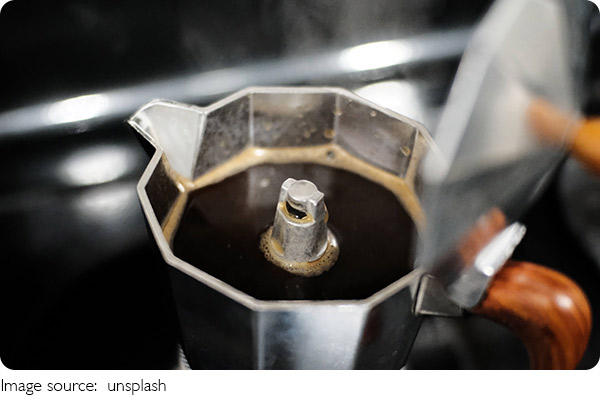
When it comes to brewing espresso at home, choosing the right machine is essential. Here are the main types of espresso machines available:
- Manual Espresso Machines: These require more skill and effort to use but offer the most control over the brewing process. They are ideal for coffee enthusiasts who enjoy the art of making espresso.
- Semi-Automatic Machines: These machines take over some parts of the brewing process, like water temperature and pressure, but still require the user to grind the coffee and tamp it.
- Fully Automatic Machines: These machines handle everything from grinding the beans to pulling the shot, making them perfect for those who prefer convenience over control.
- Capsule Machines: These are the easiest option, as they use pre-packaged coffee pods to create espresso quickly and easily.
5. Health Benefits of Espresso
Coffee, including espresso, contains a variety of antioxidants and bioactive compounds. According to nutrition researcher Walter C. Willett from the Harvard T.H. Chan School of Public Health, coffee is a major source of antioxidants in many people’s diets, and studies have linked moderate coffee consumption with a lower risk of several chronic diseases, including Parkinson’s disease and certain cancers.
Caffeine—the main stimulant in espresso—can also affect brain function. Research summarized by the Mayo Clinic notes that caffeine can increase alertness, improve mood, and temporarily boost metabolism. However, experts emphasize that excessive caffeine intake may lead to side effects such as jitteriness, restlessness, or sleep disruption.
Conclusion: The Timeless Appeal of Espresso
Espresso is much more than just a caffeine fix. It's an art form, a ritual, and a source of comfort for many. Whether you prefer it as a shot, a latte, or a cappuccino, the perfect espresso has the power to elevate your day and bring joy to your morning routine. As you dive deeper into the world of espresso, you'll find that there's always more to learn and explore. So, the next time you enjoy a cup, take a moment to appreciate the craftsmanship that goes into each shot and savor the rich, full-bodied flavor that has made espresso a beloved global tradition.