Amazing Panda Facts

Chris Isidore
| 24-03-2026
 · Animal team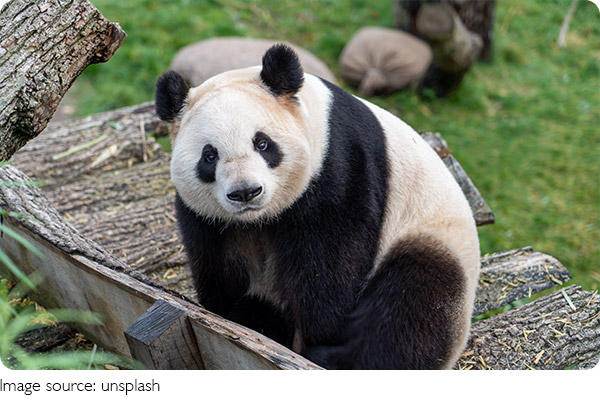
The giant panda is one of the world's most beloved and iconic animals — a creature whose striking appearance and curious behaviour never fail to capture attention. Far more than just a “cute animal,” pandas are fascinating from both a biological and ecological perspective.
From their unique feeding habits to their remarkable adaptations and life history, these gentle animals continue to intrigue scientists and nature lovers alike.
What Makes Pandas Unique?
1. Distinctive Appearance
The giant panda's familiar black and white coloration is not only eye catching but also functional. Their coat likely offers camouflage — white blending with snowy terrain and black helping them disappear into shady forest areas. Their black patches around the eyes might even help pandas recognise one another.
2. Specialized Diet
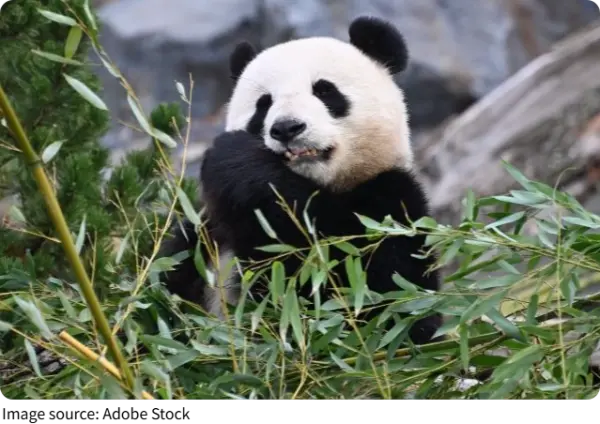
Although pandas belong to the order Carnivora, these animals have adopted an almost exclusively plant based diet. About 99 % of their food consists of bamboo — stems, leaves and shoots — which they must eat in enormous quantities to meet nutritional needs. They often spend up to 14 hours a day eating.
3. “Thumb” Adaptation
Pandas have a unique adaptation that helps them handle bamboo: a pseudo thumb. This extra digit is actually a modified wrist joint that acts much like an opposable thumb, making it easier to grip and peel bamboo stalks while feeding.
Daily Life and Behaviour
1. Huge Feeding Time
Because bamboo offers relatively little nutrition, pandas must consume large quantities to get enough energy. They often forage and eat for two thirds of their day, consuming multiple species of bamboo when available.
2. Solitary Lifestyle
Pandas are mostly solitary creatures. They rely heavily on scent markings and vocalisations to communicate and locate one another, especially during the mating season. Their keen sense of smell lets them find potential mates and avoid unnecessary encounters outside of breeding periods.
3. No True Hibernation
Ggiant pandas do not hibernate during winter. Instead, they move to lower elevations where temperatures are milder and food remains available, or they may seek shelter in hollow tree trunks or caves.
Life History and Reproduction
1. Slow Reproduction
Pandas have a notoriously low reproductive rate. Females are fertile only a few days each year, and successful breeding is challenging both in the wild and in captivity. Gestation can be variable due to delayed implantation, and twin births are common though mothers typically only raise one cub at a time.
2. Tiny Newborns
At birth, a panda cub is astonishingly small — about 1 / 800th of its mother's weight — and entirely dependent on maternal care. Cubs are born blind, with very little fur, and require constant warmth and feeding in their earliest weeks.
Pandas and Conservation
Today, giant pandas are classified as vulnerable rather than critically endangered. Their populations have stabilised and even increased in recent decades thanks to extensive conservation efforts, habitat protection, and international breeding programmes. However, threats like habitat loss and climate change still pose serious challenges to their long term survival.
A Final Reflection
The giant panda's journey — from a rare mountain dweller eating almost nothing but bamboo to a global symbol of wildlife conservation — is both remarkable and instructive. These pandas remind us of nature's adaptability, but also its fragility. Through dedicated research, habitat preservation, and careful stewardship, humans have helped safeguard an animal that once faced severe decline. Each panda's existence now represents not just biological wonder but also collective human effort toward protecting the natural world. Observing their peculiar behaviours and learning about their biology encourages a deeper respect for the complexity of life on Earth — and a renewed commitment to ensure that future generations can continue to marvel at these gentle giants.