The Science of Hibernation

Caleb Ryan
| 24-03-2026
 · Animal team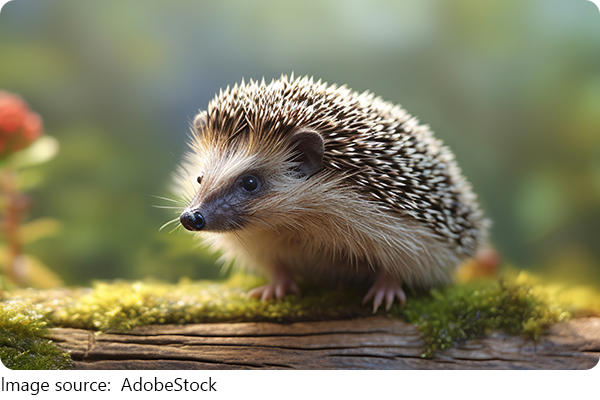
Have you ever wondered how a bear can disappear into its den in late fall and emerge months later, leaner but alive, without eating, drinking, or moving much at all?
Hibernation isn't just a long nap—it's a sophisticated survival strategy, shaped by millions of years of evolution, that allows animals to endure harsh winters when food is scarce and temperatures are brutal.
Slowing the Body's Engines
The defining feature of hibernation is the dramatic reduction in metabolism. An animal's energy use can drop to just a fraction of its normal level, conserving precious reserves. Heart rates plunge—sometimes from 300 beats per minute to fewer than 10. Breathing slows so much that it seems to vanish altogether. Body temperature also takes a dive. A bat's core warmth can fall from around 100°F to near freezing without harm. This slowdown means every calorie of stored energy lasts longer, stretching summer gains through the long winter.
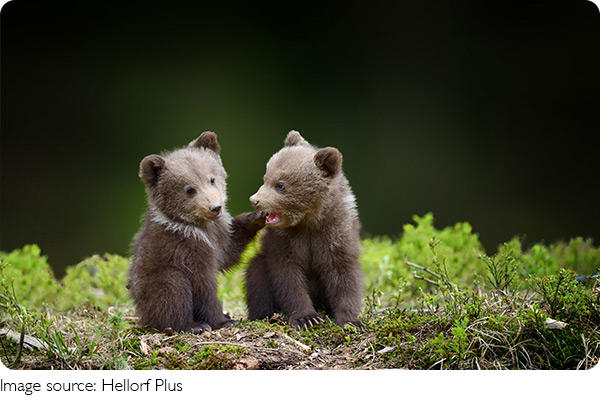
Bears are a little different. While they hibernate, their body temperature only dips slightly, hovering around 88°F. This allows them to rouse quickly if danger threatens. Other animals, like ground squirrels or marmots, take the risk of letting their temperature drop much lower, entering a state that's almost suspended animation.
The Brain's Role in Hibernation
For years, scientists thought hibernation was controlled purely by metabolic chemistry. But research has shown the brain is the true conductor of this seasonal symphony. Specialized regions in the hypothalamus act like a thermostat, signaling when to dial down body temperature and when to bring it back up. Neurotransmitters, such as serotonin and dopamine, help regulate cycles of deep torpor and brief arousals.
These arousals, which occur every few weeks, are short periods when animals warm up and stir before sinking back into hibernation. They may be critical for maintaining brain health, repairing tissues, and refreshing immune defenses. Without them, the body could suffer irreversible damage from months of inactivity. The fact that the brain orchestrates these rhythms so precisely suggests hibernation is less like “switching off” and more like an intricate dance between deep rest and vital maintenance.
Fueling Survival
Hibernators depend entirely on reserves built during the active season. Body tissue, gained from months of feeding, becomes the engine that powers every slow heartbeat and shallow breath. Unlike in humans, where long periods of inactivity can lead to muscle wasting, hibernating animals recycle proteins to protect muscle and system health.
Some species have even more extreme strategies. Wood frogs, for instance, freeze solid in winter. Ice crystals form in their bodies, but glucose floods their cells to act as antifreeze, preventing damage. When spring comes, they thaw and hop away as if nothing happened. These tricks reveal just how creative evolution can be in the face of cold and scarcity.
Adapting to Extreme Environments
Hibernation isn't limited to cold climates. In deserts, some mammals enter a similar state called estivation during extreme heat and drought. The principles are the same: slow the body down, save energy, and wait out the danger. Whether it's freezing mountains or scorching deserts, animals use dormancy as a flexible tool to survive what would otherwise be fatal conditions.
Challenges in a Warming World
Climate change is reshaping the timing of hibernation. Warmer winters can cause animals to emerge earlier, when food isn't yet available, leaving them vulnerable. Others may struggle to build up enough reserves in shorter autumns. Even subtle shifts in temperature can throw off the delicate balance between survival and starvation. For species already living on the edge, like bats or hedgehogs, this mismatch could prove disastrous.
Understanding how hibernation works at the physiological and neurological levels could be key to conservation. By predicting which species are most at risk, scientists can design better strategies to protect habitats and ensure animals have the resources they need to survive.
What Humans Can Learn
Beyond wildlife, hibernation holds fascinating potential for human health. Researchers are exploring whether we could apply aspects of hibernation to medicine. Imagine inducing a hibernation-like state in patients after a heart attack or during long surgeries, buying time for healing. There's also interest in whether metabolic slowdown could make long-duration space travel safer.
While we're still far from replicating true hibernation in humans, studying animals that do it naturally offers a glimpse of possibilities once thought impossible.
A Pause That Sustains Life
Hibernation is a reminder that survival isn't always about constant activity or growth. Sometimes, it's about knowing when to slow down, conserve, and wait. A bear in its den, a bat clinging to a cave ceiling, or a frog frozen under a log—all are examples of nature pressing pause in order to keep life going.
As we learn more about this remarkable adaptation, it not only deepens our appreciation for the resilience of animals but also challenges us to think differently about rest, recovery, and endurance. In the stillness of hibernation lies a lesson: sometimes the smartest way forward is to hold back, save strength, and trust that spring will come again.