Sky-High Pink Grace

Amit Sharma
| 20-03-2026
 · Animal team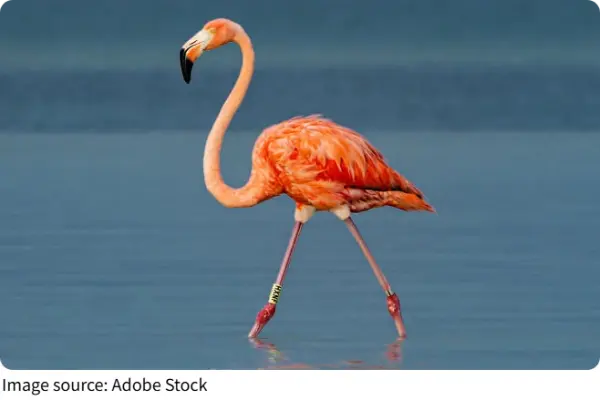
When we think of flamingos, the first image that comes to mind is usually a vivid pink bird standing on one leg in shallow water, feeding gracefully. Their long necks, elegant bodies, and striking feathers make them look like natural decorations of wetlands.
But many of us might wonder: can these graceful birds actually fly? The answer is yes! Flamingos are excellent fliers, and their flight skills are more impressive than we often realize. Let’s explore the details together.
Flamingos Can Fly, But Not Often
We notice flamingos mainly when they are wading or feeding, but flying is a normal part of their behavior in the wild. They often fly to search for food or during migration. However, their flights usually happen at dawn or dusk, which makes them harder to spot. In zoos or artificial habitats, flying opportunities are limited, giving many the impression that flamingos cannot fly.
The Unique Flight Posture
When we see flamingos in flight, they have a truly distinctive pose. Their long necks stretch straight forward, while their slender legs trail straight behind them, almost like a graceful glider across the sky. This streamlined posture helps maintain balance and reduces air resistance, making their flight efficient and elegant.
Speed and Altitude
Flamingos can reach speeds of 50–60 km/h while flying. They often travel in organized groups, forming neat formations that help save energy and lower the risk of attacks from predators. During long migrations, these birds can fly for hundreds of kilometers, often stopping briefly to rest or feed, crossing lakes, swamps, and even desert areas.
When Do Flamingos Take Flight?
There are a few main situations where we might see flamingos take to the sky:
1. Migration Season – Flamingos are partially migratory. They need specific water levels and food availability. When their current habitat becomes unsuitable due to drought or other changes, they travel in groups to new areas, covering long distances.
2. Searching for Food – Although they feed in shallow waters, flamingos will fly to distant spots if nearby food is scarce. These short trips reveal their agility and strong flight skills.
3. Escaping Threats – Despite their large size, flamingos can quickly take off to escape predators like crocodiles, large birds, or human disturbance. Their powerful wings allow them to lift off swiftly and safely.
Flamingo Wing Features
We often admire the bright colors of flamingos, but their wings are equally fascinating. Flamingos have wide, strong wings. Their flight feathers are vivid, with deeper red or black tones inside contrasting sharply with the softer pink on the outer feathers. This color combination is particularly striking in flight, resembling a streak of sunset across the sky.
Taking Off Gracefully
Because flamingos are large, they need a running start to take off. We can imagine them sprinting on water with their legs while flapping their wings to create lift, elegantly launching into the air. The whole process looks like a delicate dance, highlighting both their strength and grace.
Why We Rarely See Flamingos Fly
There are several reasons flamingos’ flights go mostly unnoticed:
1. Timing – They prefer flying in the dim light of early morning or evening. During the bright daytime, they mostly feed or rest in water.
2. Remote Habitats – Flamingos often live in secluded lakes, salt flats, and wetlands far from human activity. Unless we visit these spots, we rarely see them airborne.
3. Human-Made Restrictions – In some zoos, flamingos may have limited space or their wings clipped, which reduces chances to witness flight.
The Ecological Role of Flight
Flight gives flamingos flexibility in choosing habitats and adapting to environmental changes, helping the species survive. During migrations, flamingos also play a role in maintaining ecosystem balance. By moving between habitats, they transport seeds and nutrients, spreading aquatic plants and contributing to healthier wetlands.
Graceful on Water, Powerful in Air
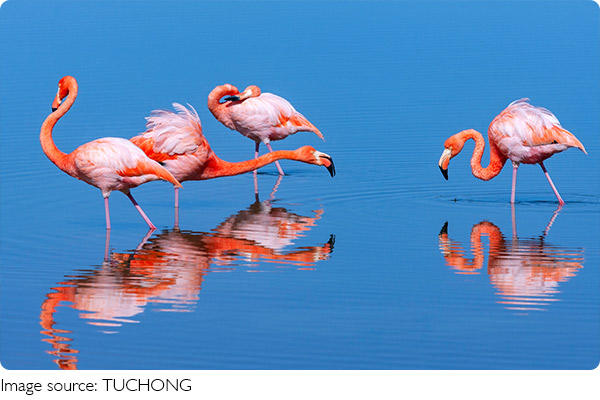
Flamingos are not just the elegant dancers of the water—they are also powerful flyers of the sky. While their flights may be hidden from our view, catching them in motion at the right time and place is breathtaking. Next time we visit a wetland or lake, let’s try spotting these pink acrobats taking to the air—we might just witness their full elegance in action.