Wobbly Penguin Secrets

Arvind Singh
| 14-03-2026
 · Animal team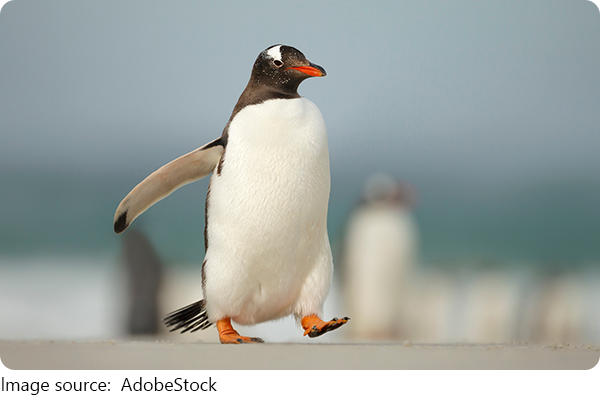
Isn’t it amazing how penguins can look so clumsy and adorable at the same time? As they waddle across ice and snow, their side-to-side sway and bobbing heads make them impossible not to notice.
But behind these seemingly funny movements lies a clever design shaped by evolution, perfectly balancing cuteness with survival in the harsh Antarctic world.
Not Just Clumsy: The Skeleton Behind the Sway
Penguins have a perfectly streamlined body built for swimming. Their webbed feet and wing-like flippers allow them to glide through water with minimal effort, and they spend most of their time in the ocean hunting for fish, squid, and krill. But walking is unavoidable, especially during migrations, when penguins may travel several kilometers across ice and snow to reach nesting grounds.
Much of a penguin’s leg is hidden inside its body, leaving only the lower part visible. This design helps them retain heat in freezing temperatures, unlike ostriches, which expose more of their legs to release body heat in deserts.
Penguins’ legs are bent, with thighs almost parallel to the ground, so walking is mostly done with their lower legs. This makes long steps difficult, so they developed a side-to-side waddling technique that is surprisingly energy-efficient and perfectly adapted to their environment.
Waddling Saves Energy
The low, crouched posture of penguins lowers their center of gravity, and the side-to-side sway stabilizes their balance as they walk. Amazingly, this waddling method can save up to 80% of energy while walking, compared to about 65% for humans. For a land animal that can’t fly, that’s exceptionally efficient!
When penguins walk, their short steps and sideways motion are not random. The movement evenly distributes their weight, reducing strain on the legs and allowing them to cover long distances without tiring. Scientists have found that penguins even adjust their waddling rhythm based on the terrain—slower on slippery ice, quicker on packed snow—to maintain efficiency and avoid falls.
Why the Constant Head Bob?
So why do penguins constantly shake their heads while walking? At first, it might seem like their head just moves with their body’s wobble. Similar to how humans swing their arms to balance while walking, penguins bob their heads to maintain stability. But there’s more to it—it’s not entirely unconscious.
Penguins have a special structure called the supraorbital gland, or salt gland, located above their eyes. This gland filters out salt from their blood, turning seawater into a usable form of freshwater. Unlike humans, who can’t drink seawater, penguins get water mainly from eating marine creatures like krill, which contain seawater. The salt gland removes the salt before it can dehydrate their cells.
Shaking Heads for Cleanliness
The filtered salt is expelled through their nostrils. Imagine the constant salty “drip” from their noses—it would be irritating if they couldn’t get rid of it. Penguins can’t use hands, so shaking their heads helps clear the salt and prevents discomfort.
This head-shaking also ensures they stay clean. Penguins are known to preen regularly, smoothing their feathers and keeping their plumage in perfect condition. A wet or salty nose would interfere with this routine, so the constant head bobbing serves both practical and hygienic purposes. Watching this, we can’t help but admire how even their quirky movements are purposeful.
Beyond Cute Moves: Why It Matters
Penguins aren’t the only seabirds with salt glands, but combining this with their walking style makes them fascinating to study. Scientists are particularly interested in their waddling because it involves unique mechanics and energy use. Studying this could even offer insights into how humans with certain gait difficulties, including pregnant or overweight people, manage movement.
Additionally, researchers have observed that penguin chicks start waddling before they can swim efficiently. This early training strengthens leg muscles and teaches balance, which is essential for survival in icy conditions. From this, we can see that penguin walking habits are not just cute—they’re critical for growth and endurance.
Final Thoughts
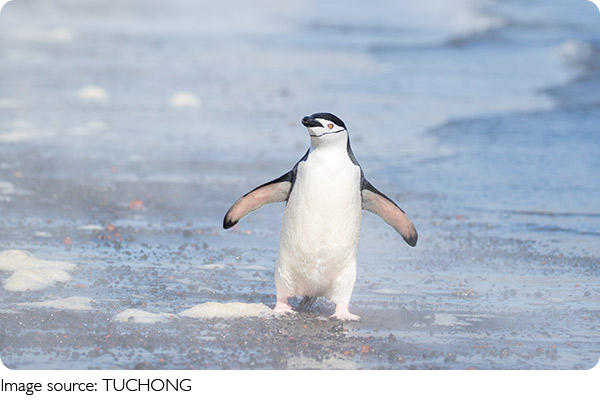
Next time we watch penguins wobble and bob, we can appreciate the science behind their cute moves. Their walk is a perfect example of evolution’s efficiency, combining balance, energy conservation, and survival in extreme environments. So while it looks funny, it’s actually a masterclass in biology. Let’s celebrate these charming creatures for both their adorable antics and the fascinating science they reveal, Lykkers!