Sky Guardian Bird

Owen Murphy
| 04-03-2026
 · Animal team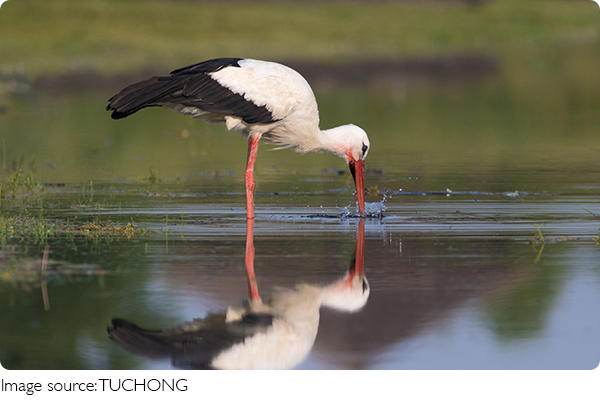
When we picture a bird that truly represents elegance and resilience, the White Stork often comes to mind. Known as the “panda of birds,” it stands out in the natural world with its clean white feathers and calm, confident presence.
In the vast landscape of nature, this species shines like a bright star. With its graceful shape and strong spirit, it connects the beauty of the wild with deep human emotions. Today, let us step closer to this remarkable traveler and discover why it captures so many hearts around the world.
Elegant Design by Nature
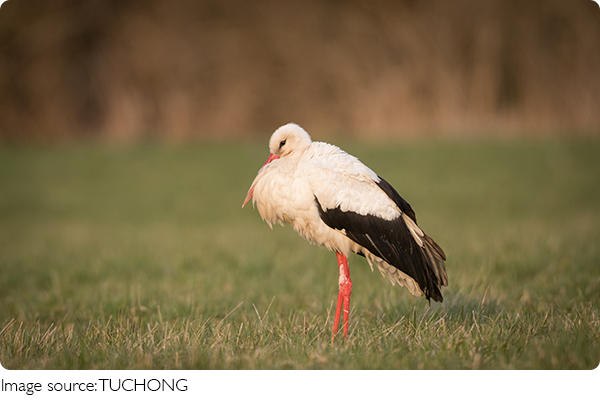
When we observe a White Stork carefully, we see a true work of natural art. Its body is tall and slender. Most of its feathers are pure white, glowing softly under sunlight. The flight feathers are black, creating a clear yet balanced contrast. This simple color combination gives the bird a noble and calm appearance.
Its long red legs support its light body as it walks slowly across wetlands or grasslands. Every step looks steady and confident. The long red bill is straight and powerful, perfectly shaped for catching prey. Each detail, from head to toe, shows harmony. We can easily understand why people describe it as elegant and refined.
Freedom Written in the Sky
When the White Stork spreads its wide wings, we truly feel what freedom looks like. Its neck stretches forward, and its legs extend far behind the tail during flight. In the sky, it resembles a quiet dancer moving across an invisible stage.
It can flap its wings strongly, but it also knows how to travel smartly. By riding warm rising air currents, it circles upward without using too much energy. During migration, it often flies at speeds of 40 to 47 kilometers per hour and can reach heights between 1,600 and over 3,600 meters. Some have even been recorded flying above the Himalayas at around 4,300 meters.
Every year, many White Storks travel between Europe and Africa. The total round-trip distance can exceed 20,000 kilometers. That is an incredible journey. Through wind, heat, and long distances, they continue forward. Their endurance reminds us what determination truly means.
Smart and Patient Hunters
We can find White Storks in wetlands, riverbanks, grasslands, and shallow waters. These different environments require flexible survival skills, and they have mastered them well.
They usually walk slowly through water or grass, watching closely for movement. Once they detect prey, they strike quickly and accurately. Their diet includes frogs, tadpoles, small reptiles, insects, earthworms, mollusks, crustaceans, and sometimes small mammals.
When feeding in shallow water, they may keep their bill slightly open and rely on touch to sense movement. The moment they feel something, they close it instantly. Because they eat many types of food, they can adapt to seasonal and environmental changes. Behind their calm look lies sharp awareness and patience.
A Symbol of Happiness and Hope
Beyond nature, the White Stork holds special meaning in many European cultures. For centuries, people have seen it as a symbol of happiness and good fortune. There is a popular belief that when a White Stork builds a nest on a rooftop, joyful news may soon arrive for the family living there.
This image became widely known through traditional stories and animated tales, where storks are shown delivering babies. Because of these warm stories, cartoon storks often appear on baby products and children’s clothing. The White Stork has become a gentle symbol of new beginnings and hope.
Challenges in the Modern World
Although admired for centuries, the White Stork now faces serious challenges. Habitat loss, pollution, and illegal hunting have reduced its numbers in some regions. Wetlands are shrinking, and traditional nesting places are disappearing.
Many countries across Europe and Africa have taken action by protecting wetlands, building artificial nesting platforms, and studying migration routes. Researchers track their journeys to better understand how to support them. Public awareness programs also encourage communities to care for wildlife and respect natural habitats.
However, conservation is not only the responsibility of scientists or governments. It belongs to all of us. When we protect water sources, reduce pollution, and support nature-friendly actions, we create safer conditions for them.
Let Us Keep the Sky Alive
When we call the White Stork the “panda of birds,” we are reminding ourselves how rare and precious it is. Its white wings crossing a blue sky are not just a beautiful view; they represent balance in nature.
If we care for wetlands and respect migration routes, we give this graceful traveler a brighter future. Let us begin with small daily actions and stay aware of how our choices affect the natural world.
May we continue to see the White Stork soaring freely above rivers and fields. And may we always remember that protecting it means protecting the home we all share. Together, we can keep this symbol of hope flying high in the sky.