Protecting Sea Turtles

Declan Kennedy
| 04-03-2026
 · Animal team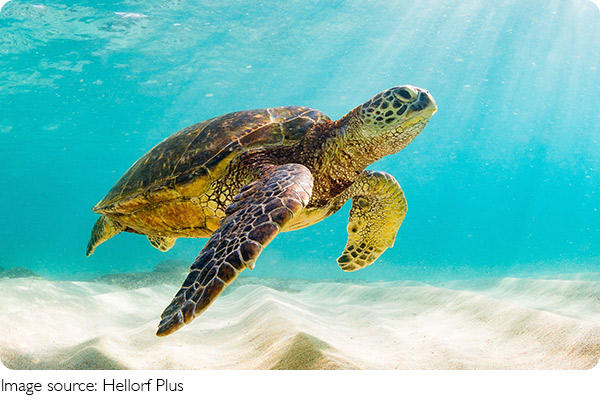
On a quiet beach at dusk, a mother sea turtle slowly makes her way across the sand, carefully digging a nest to lay her eggs. Her struggle is ancient yet fragile, as humans, climate change, and environmental threats increasingly challenge her survival.
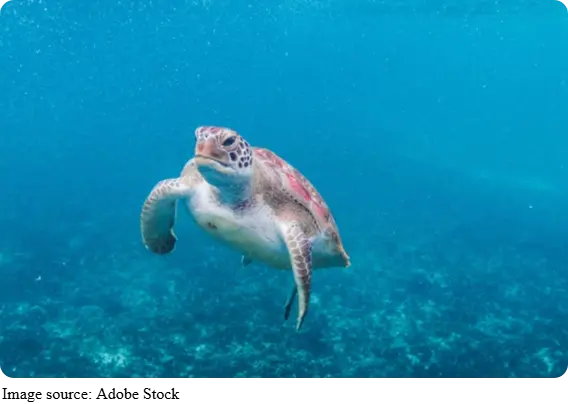
Sea turtles have navigated the oceans for over 100 million years, yet today, many species face serious risks that require immediate attention. Understanding these threats and supporting conservation initiatives is key to ensuring that these remarkable creatures continue to thrive in the world's oceans.
Major Threats to Sea Turtles
1. Pollution and marine debris
Plastic waste, discarded fishing gear, and oil spills pose severe dangers to sea turtles. They can ingest plastic bags, mistaking them for jellyfish, or become entangled in fishing nets, leading to injury or death. Even small pieces of debris can disrupt feeding, reproduction, and migration patterns.
2. Habitat loss and beach disturbance
Coastal development, artificial lighting, and human activity disturb nesting sites. Hatchlings rely on natural light cues to reach the ocean safely, and light pollution can disorient them, reducing survival rates. Erosion and construction also destroy or alter the sand dunes and beaches essential for nesting.
3. Climate change
Rising temperatures affect sand temperature, which determines the gender of hatchlings. Warmer sands produce more females, creating skewed gender ratios that threaten future populations. Additionally, stronger storms and rising sea levels can wash away nests or make beaches unsuitable for nesting.
Conservation Efforts in Action
1. Nesting site protection
Many organizations patrol beaches during nesting season, relocating vulnerable eggs to safer locations or protecting nests with barriers. Restricted access zones help minimize human disturbance, ensuring hatchlings have the best chance of reaching the ocean.
2. Community engagement and education
Local communities play a crucial role in conservation. Awareness campaigns teach residents and tourists about the importance of keeping beaches clean, reducing light pollution, and reporting turtle sightings. Community-led initiatives often include volunteer beach patrols and hatchling release programs.
3. Rescue and rehabilitation programs
Injured or sick sea turtles are brought to specialized centers for treatment. Veterinary care, removal of plastic or hooks, and monitoring for diseases such as fibropapillomatosis help restore their health before release. Rehabilitation programs also contribute valuable data for research and long-term conservation planning.
Global Conservation Initiatives
1. International treaties and protections
Sea turtles are protected under agreements such as the Convention on International Trade in Endangered Species (CITES) and the Inter-American Convention for the Protection and Conservation of Sea Turtles. These frameworks regulate trade, hunting, and habitat destruction to reduce human-induced threats.
2. Marine protected areas
Designated zones in the ocean restrict fishing, boating, and industrial activities, providing safe corridors for migration and feeding. These protected areas help preserve vital ecosystems, from coral reefs to seagrass beds, which are critical for turtle survival.
3. Research and tracking
Satellite tagging, monitoring nesting beaches, and genetic studies allow scientists to track turtle movements, understand population dynamics, and identify critical habitats. Data-driven conservation ensures efforts are targeted and effective, maximizing the impact of protection measures.
How Individuals Can Help?
1. Reduce plastic use
Avoid single-use plastics, participate in beach cleanups, and properly dispose of waste to reduce ocean pollution. Even small daily changes can collectively make a significant difference for marine wildlife.
2. Support conservation organizations
Donations, volunteering, and eco-tourism that prioritizes responsible wildlife interaction fund nesting protection, research, and rehabilitation programs worldwide.
3. Raise awareness
Sharing knowledge about sea turtle threats and conservation initiatives inspires others to take action. Education fosters a global sense of responsibility for the oceans and the creatures that inhabit them.

Watching a hatchling struggle toward the ocean is a reminder of both the fragility and resilience of sea turtles. Protecting them requires concerted effort—from safeguarding beaches and reducing pollution to supporting scientific research. Each thoughtful action, whether cleaning a local shoreline or contributing to global conservation programs, helps ensure that future generations can witness the grace and wonder of these ancient mariners gliding through the world's oceans.