Life of a Lioness and Cubs

Ethan Sullivan
| 28-02-2026
 · Animal team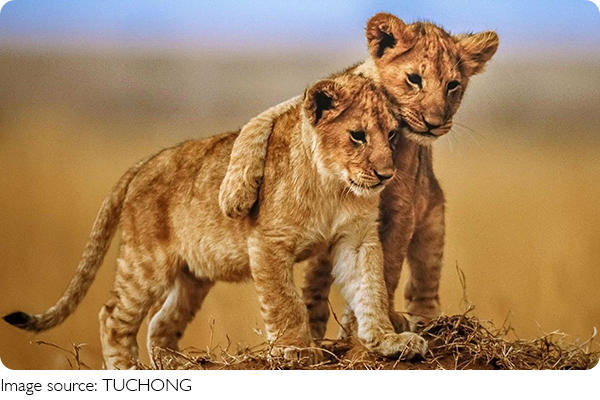
Watching a lioness with her cubs is like witnessing a living lesson in courage and care.
Every movement, every glance, carries meaning—from teaching survival skills to reinforcing bonds that last a lifetime.
These interactions reveal the intricate balance between nurturing and preparing the next generation for life in the savannah.
The Role of the Lioness in Raising Cubs
Lionesses are the backbone of the pride when it comes to nurturing young. Their dedication shapes the cubs' chances of survival.
1. Feeding and hunting
Lionesses are primary hunters, often bringing back food not just for themselves but for the entire pride, including cubs. Observing a lioness return with a small antelope shows how she prioritizes her cubs' nutrition over her own immediate needs.
2. Teaching survival skills
Through play, lionesses teach cubs essential hunting skills. Even a simple pounce or chase game builds coordination, strength, and timing. For instance, a cub swatting at moving grass stalks is practicing reflexes it will later use on real prey.
3. Protection from threats
Lionesses are vigilant, shielding their cubs from predators like hyenas or rival lions. You'll often notice a lioness positioning herself between her cubs and danger, demonstrating both courage and strategy in real-time.
Cub Development and Social Learning
Cubs are not just pampered—they're learners absorbing lessons critical for survival.
1. Group dynamics
Cubs interact closely with siblings and other pride members, learning the subtle social cues that govern lion pride behavior. For example, a gentle nudge or growl helps them understand boundaries within the group.
2. Hunting practice
Around six months, cubs begin shadowing mature lionesses during hunts. They start with small, controlled exercises, like stalking a tortoise or bird, which gradually build the skills needed for larger prey later.
3. Vocal communication
Cubs learn various vocalizations—from growls to roars—which are crucial for signaling danger, summoning the pride, or marking territory. Listening closely, you can hear differences in tone between playful squeals and warning calls.
Bonding Through Play and Rest
Play is more than fun—it's a core part of cub development and bonding.
1. Wrestling and chasing
These activities help cubs build muscle and improve reflexes. A playful tussle between siblings teaches both physical skill and social hierarchy, preparing them for interactions in later life.
2. Grooming and affection
Lionesses groom their cubs meticulously, removing dirt, parasites, and reinforcing bonds. Watching a cub lean into a mother's lick shows trust and a sense of security within the pride.
3. Rest and learning observation
Rest periods are vital. While cubs nap, they observe interactions of mature lions and environmental cues, learning from passive observation as much as active play. For example, seeing a lioness stretch before a hunt teaches posture and awareness.
Challenges and Survival Lessons
Life in the wild is never easy, and cubs face constant tests that prepare them for independence.
1. Competition for food
Cubs must learn patience and timing to secure their share of prey. A cub observing its mother feed first, then moving in cautiously, practices strategic positioning.
2. Avoiding predators
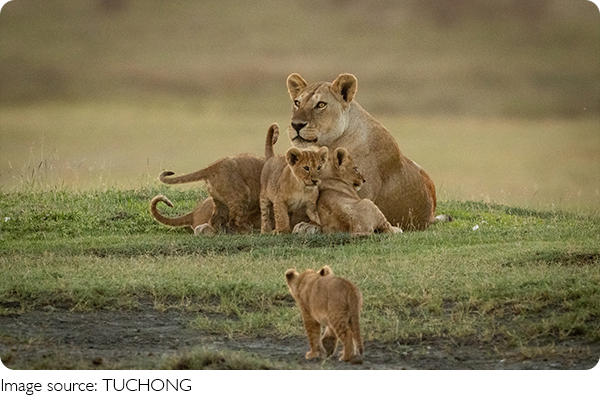
The early months are the most dangerous. Lionesses frequently move cubs to hidden spots, teaching them stealth and caution. Seeing cubs huddle quietly in tall grass is a lesson in staying safe.
3. Learning pride hierarchy
Cubs watch interactions of mature lions to understand the hierarchy, from dominant females to male protectors. This knowledge later guides behavior during hunts, mating, and social disputes.
The Long-Term Impact of Early Lessons
The skills learned in these formative months define the cubs' later lives.
1. Hunting efficiency
Cubs that mastered stalking, pouncing, and coordination grow into highly effective hunters, essential for pride survival.
2. Social cohesion
Strong early bonds with siblings and the pride ensure smoother integration into lion society, reducing conflicts and enhancing collaboration.
3. Survival instincts
Every moment with the mother and pride teaches vigilance, resourcefulness, and adaptability—traits that become instinctual as the cubs mature.
Observing a lioness with her cubs reveals a delicate balance of care, teaching, and preparation for survival. Each playful tumble, cautious move, and nurturing gesture builds a foundation for a new generation that will continue the pride's legacy. Witnessing this natural cycle reminds us of the strength and subtlety required to thrive in the wild.