Coyote Curiosities

Declan Kennedy
| 13-02-2026
 · Animal team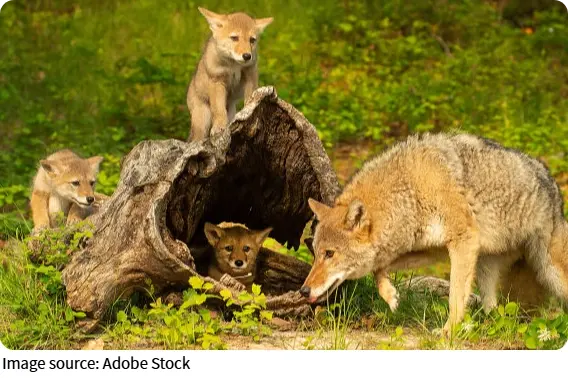
You might have noticed a flash of gray fur at dusk or heard a distant, haunting howl on a quiet night.
Coyotes, often seen as mysterious neighbors of both rural and urban areas, have more to them than meets the eye.
Their adaptability, intelligence, and unique behaviors make them a fascinating subject for anyone curious about wildlife.
Appearance and Physical Traits
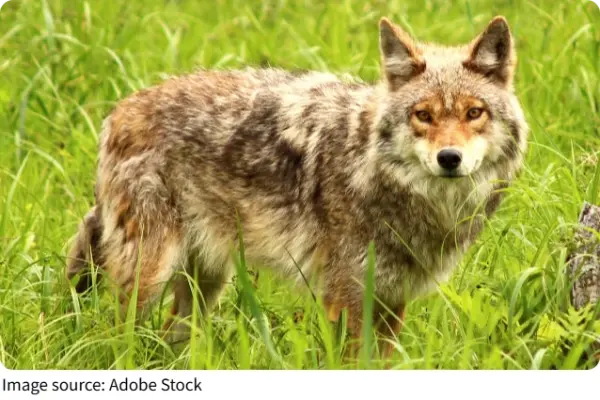
Coyotes are medium-sized canines, generally smaller than wolves but larger than foxes. They typically weigh between 20 and 50 pounds, with long legs and bushy tails that help them maintain balance while running. Their fur varies from grayish-brown to reddish tones, often with a pale underbelly.
Key features to notice:
Pointed ears that help detect distant sounds.
Slender snout for enhanced scent tracking.
Agile body built for both speed and endurance.
Actionable tip: If observing a coyote in the wild, note these traits to distinguish it from domestic dogs or foxes, especially when they appear in suburban areas.
Diet and Hunting Behavior
Coyotes are omnivores, which means they eat both meat and plant matter. Their diet includes rodents, rabbits, insects, fruits, and even vegetables when available. What makes them remarkable is their hunting strategy.
Hunting habits:
Small prey is often hunted solo using stealth and sudden bursts of speed.
Larger prey may involve family cooperation, with one coyote flushing out the target while others ambush.
They also scavenge when food is scarce, demonstrating their adaptability.
Actionable tip: If you live in an area with coyotes, secure trash bins and remove pet food outdoors to reduce attracting them.
Communication and Vocalizations
Coyotes are known for their wide range of vocal sounds. These vocalizations are more than just eerie howls; they serve a variety of purposes.
Vocal behaviors include:
Howls to communicate territory boundaries to other coyotes.
Yips and barks for group coordination during hunts.
Whines and growls as social signals within a family unit.
Actionable tip: Listening to these sounds in the wild can give you insights into coyote behavior and even alert you to their presence without needing to see them.
Social Structure and Family Life
Unlike solitary animals, coyotes often form family units called packs. These packs typically consist of a breeding pair and their offspring. They are highly organized, with clear roles in hunting, territory defense, and caring for pups.
Pack dynamics:
Parents cooperate to feed and protect young pups.
Older siblings may help teach hunting techniques.
Territory disputes are often solved through vocal warnings rather than fights.
Actionable tip: Observing a pack from a safe distance can provide a rare glimpse into cooperative behaviors rarely seen in smaller canines.
Adaptability to Human Environments
Coyotes have remarkably adapted to urban and suburban life. They adjust their activity patterns, often becoming more nocturnal to avoid human interactions, and exploit human resources like gardens, compost piles, and even small pets if not carefully protected.
Urban survival strategies:
Traveling along green corridors like rivers or parks to remain unseen.
Altering diets to include available food sources.
Learning patterns of human activity to minimize conflict.
Actionable tip: Installing motion-sensor lights or fences can protect small pets and gardens from curious coyotes.
Coyotes are much more than the occasional nighttime visitor; they are intelligent, adaptable, and socially complex animals.
By understanding their behaviors and traits, we can appreciate these canines not just as survivors, but as integral parts of the ecosystems around us. Next time you hear that distinctive howl, consider it a reminder of nature's cleverness and resilience right outside your window.